What's the Best Way to Clean a Fabric?
Why Fabric Cleaning Matters
Cleaning fabrics is more than looks. It keeps clothes, furniture, and linens usable. Dirt, oils, and microbes wear fibers. Stains can set and break threads. Wrong cleaning shrinks or fades material. Right cleaning saves money. It also cuts waste. Small choices make a big difference.
Three Core Rules to Follow
Know the fabric. Check labels. If none, feel the weave and weight. That tells you what it can stand: heat, scrubbing, or chemicals.
Match method to problem. Grease, protein stains, dye marks - each needs a different approach.
Start gentle. Use the mildest effective option. Increase strength only if needed.

How Common Fabrics Behave and How to Clean Them
Cotton and Linen
- Pros
Tough fibers
Tolerate machine washing
Handle warm water well
- Cons
Can fade in hot water
May shrink if dried hot
- How to clean
- Pretreat stains
- Wash warm or cool
- Tumble dry low or air dry
Synthetics (Polyester, Nylon)
Pros
Low shrinkage
Fast drying
Cons
Trap oils and odors
Heat can deform fibers
How to clean
Wash cool or warm
Use enzyme-free detergent if needed
Air dry or tumble low
Blends
Pros and cons vary depending on the fiber mix.
How to clean
Treat based on the weakest fiber in the blend.
Delicates (Silk, Wool)
Pros
Soft texture
Natural feel
Cons
Sensitive to heat and agitation
Can shrink or felt easily
How to clean
Use cold water
Apply gentle detergent
Minimize agitation
Lay flat to dry or choose professional cleaning
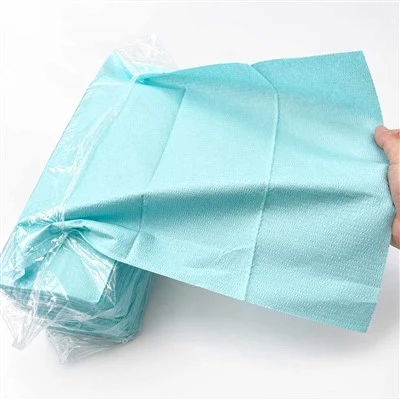
Nonwovens and Technical Fabrics
- Pros
Strong for their weight
High absorbency
Often designed for single or limited reuse
- Cons
Structure differs from woven fabrics
Some types lose loft when scrubbed aggressively
- How to clean
Many nonwoven fabrics wipe clean with mild soap and water. Quick drying is a major advantage.

A Simple Stain Decision Tree
Identify the stain: oil, protein, tannin, dye, or ink.
Blot fresh stains - do not rub.
Oil stains: apply degreasing detergent, then wash warm.
Protein stains: rinse cold, then use an enzyme cleaner.
Tannin stains (coffee, tea): detergent or oxygen bleach works well. Avoid chlorine bleach on colored fabrics.
Dye or ink: test solvent on a hidden seam first. For expensive items, seek professional help.
Tools That Help and How They Work
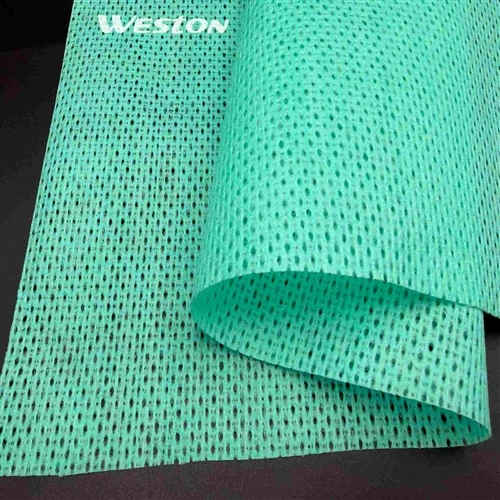
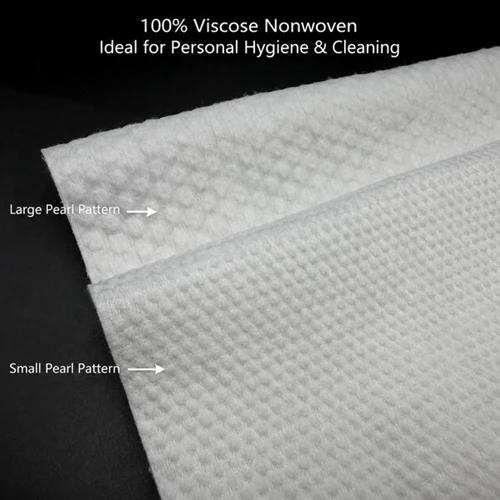
Microfiber and Spunlace Nonwoven Cloths
How they work
The fibers trap dirt and hold particles. Instead of spreading soil, they lift oil and dust from surfaces.
Why they help
Reduce the need for strong chemicals
Often work with just water
Dry quickly, limiting bacteria growth
Fabric Cleaning Reference Table
|
Fabric / Problem |
Safe Method |
Risk if Wrong |
Best Tool(s) |
|
Cotton, general soil |
Warm wash, regular soap |
Shrink or fade in hot wash |
Machine wash, standard detergent |
|
Polyester, odor |
Cool wash, enzyme-free |
Heat deformation |
Air drying, odor remover |
|
Silk, wool |
Cold hand wash or dry clean |
Shrink, felt damage |
Gentle detergent, flat dry |
|
Oil stain |
Degreaser, warm wash |
Heat sets stain |
Spot cleaner, solvent |
|
Protein stain (blood) |
Cold rinse, enzyme wash |
Heat cooks proteins |
Cold water, enzyme detergent |
|
Nonwoven wipes |
Mild soap, wipe, air dry |
Loss of loft if scrubbed |
Microfiber / spunlace wipes |
|
Heavy upholstery soil |
Professional cleaning |
Shrink or fabric damage |
Steam or solvent cleaning |
Weighing Pros and Cons: A Fuller View
Pros of Gentle Cleaning
Preserves fiber strength
Maintains color and shape
Often uses less energy and water
Reduces long-term replacement cost
Cons of Overly Gentle Cleaning
May not remove deep oil or heavy stains
Odors can remain if soil stays trapped
Repeat treatments may be necessary
Pros of Strong Cleaning
Fast stain removal
High temperatures can kill microbes
Cons of Strong Cleaning
Fibers degrade faster
Color fading occurs more easily
Fabric lifespan shortens
Harsh chemicals may irritate skin and harm the environment
A Practical Balance
Use a step-up approach.
Start with the least aggressive cleaning method that can work. If the stain remains, move to the next stronger option. Avoid jumping straight to the harshest treatment.
Where Modern Cleaning Cloths Fit in Daily Life
Quality cloths make routine cleaning easier. Microfiber and spunlace nonwoven products perform much of the work in everyday cleaning. They reduce the need for strong chemicals and work well for quick spills or surface cleaning.

A Quiet Nod to a Factory Product
For kitchen and food messes, a cloth designed for absorbency and durability can help.
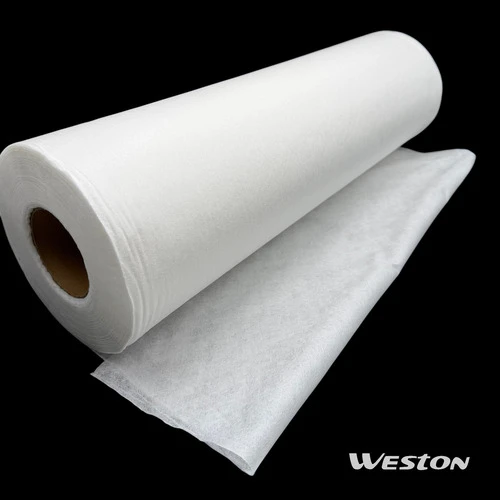
Weston Nonwoven offers Biodegradable Bamboo Kitchen Cloths. These cloths combine strong absorption with biodegradable fibers. They handle food scraps and oily residues effectively. Quick drying helps reduce odor and bacteria buildup.
When to Call a Professional or Replace an Item
Seek professional cleaning for valuable or delicate items.
Replace fabrics that are thin, frayed, or permanently odorous.
Upholstery with heavy soil or large dye stains often requires professional treatment.
Practical Checklist You Can Use Now
Read the care label first
Test cleaning solutions on a hidden area
Blot stains rather than rubbing them
Start with the mildest effective method
Treat oil and protein stains differently
Avoid excessive heat when drying
Keep reliable cleaning cloths available
What to Do the Next Time You Spill Something
Pause for a moment. Identify the fabric. Blot the stain immediately. Begin with a gentle cleaning method. If necessary, move to stronger treatment gradually.
Early action helps fabrics last longer.
Brushes, Machines, and Detergents
Brushes
Soft brushes for delicate fabrics
Stiff brushes for heavy soil
Machines
Front-load washers are generally gentler than top-load agitators
Detergents
Enzyme cleaners for protein stains
Oxygen bleach for safe whitening
Avoid excessive fabric softener, which can clog absorbent materials
Everyday Habits That Extend Fabric Life
- Treat stains quickly
- Avoid unnecessary washing
- Air garments between wears when appropriate
- Use lower washing temperatures when possible
- Choose proper drying settings
- Store fabrics clean and completely dry