Engineered Spunlace Solutions for Professional Buyers
At Weston Nonwoven, we produce high-performance spunlace nonwoven fabric designed for brands, distributors, and manufacturers seeking stable quality, customizable specifications, and reliable factory supply.
Our spunlace portfolio covers viscose polyester blends, pulp polyester, bamboo & biodegradable spunlace, medical-grade spunlace, and industrial-strength wipes material used in over 60+ countries.
WHY CHOOSE WESTON?
Stable Industrial-Grade Quality
European spunlace lines ensure uniform fiber distribution, strength consistency, and low-lint performance batch after batch.
01
True OEM / ODM Flexibility
From fiber blending to embossing, printing, width, and packaging — all parameters are configurable.
02
Multi-Industry Coverage
Household, kitchen, industrial, medical, hygiene, and eco-friendly wipes from one certified manufacturer.
03
Export-Ready Compliance
Food-contact certification, ISO testing, SGS reports, and documentation support for global markets.
04
Reliable Long-Term Supply
24/7 production, full QC tracking, and stable shipping partners reduce procurement risk.
05
|
Operating Since |
Production Lines |
QC Tracking |
Certifications |
|
20+ Years |
4 Advanced Lines |
Full-process QC tracking |
ISO 10993 + Food Contact |
|
Proven track record |
Italy & Germany imported |
24/7 inspection & testing |
SGS-tested quality |
Weston Spunlace Production Capability
🏭 Factory Area & Facilities
9,600 m² production workshop
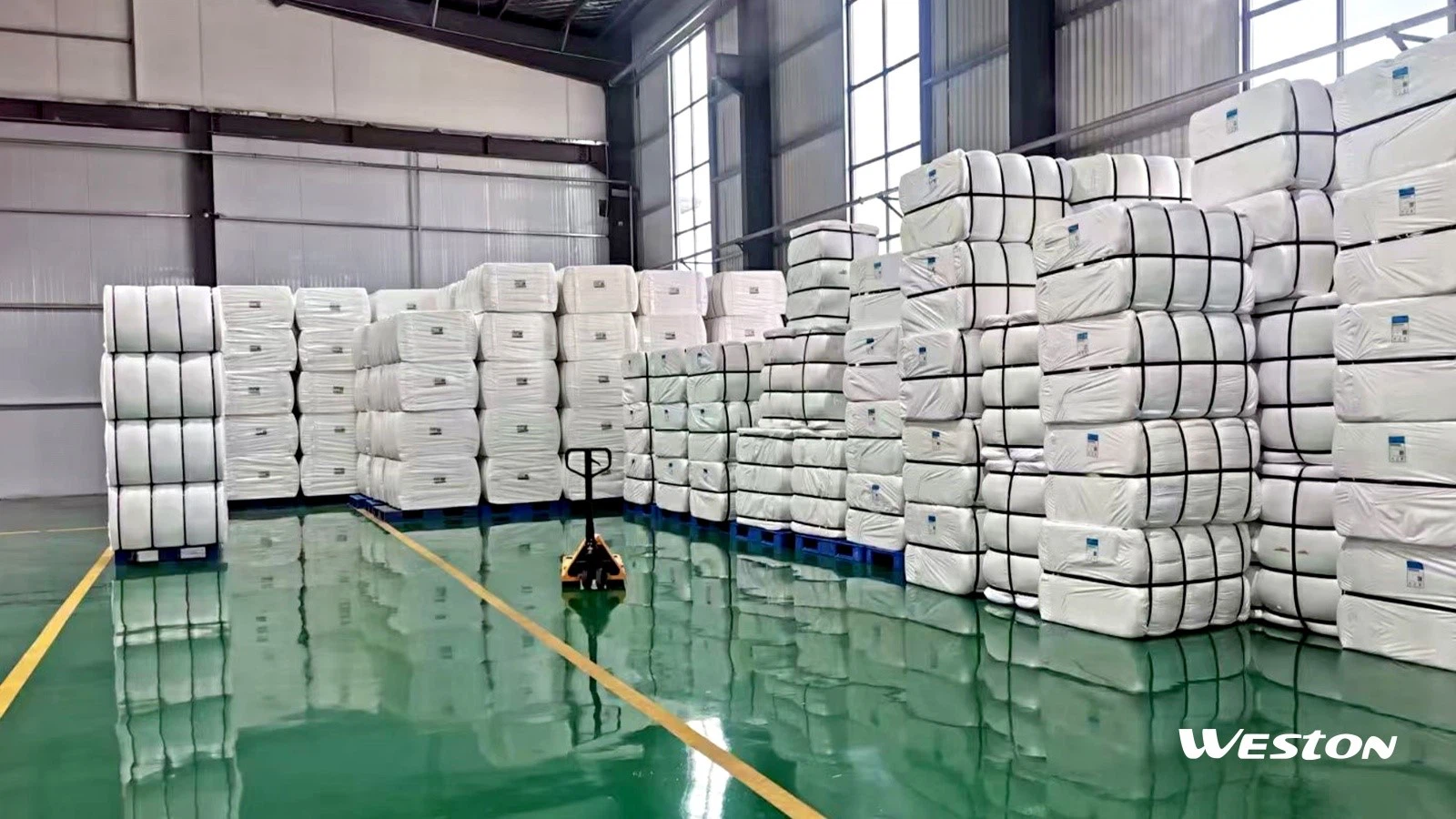
1,000 m² raw material and finished-goods warehouse
24/7 stable production with full QC tracking
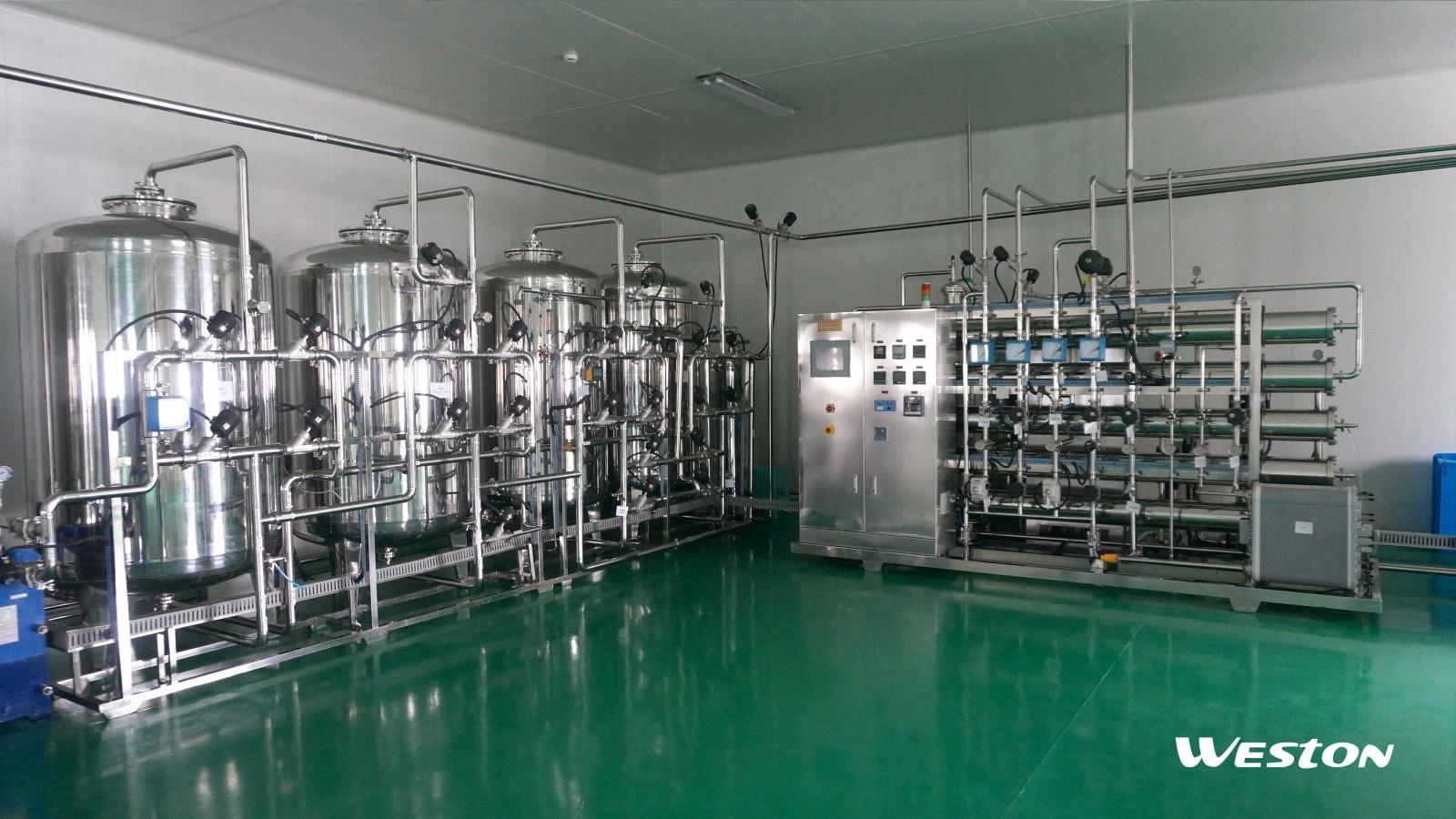
🔧 Production Lines
Weston operates 4 advanced spunlace production lines, imported from
Italy & Germany, ensuring consistent strength, absorbency, and fiber distribution.
📐 Technical Specifications
Machine Width: 3500 mm
Fabric Width Range: 100–3100 mm
Grammage Range: 30–120 gsm
Lapping Options: Parallel / Cross-lapped
Raw Fiber Options
Weston supports multiple fiber systems, suitable for premium wipes, industrial-strength cloths, and eco-friendly product lines:
- Viscose
- Polyester
- Bamboo Fiber
- Bamboo Charcoal Fiber
- Cotton Fiber
- Lyocell Fiber
- Wood Pulp
- Polypropylene
- Seaweed fiber
- PLA fiber....
Our popular custom fiber blending, such as:
- 70/30 (woodpulp/polyester)
- 2:8(woodpulp/lyocell)
- 50/50(lyocell/seaweed fiber)
- 30/70 (viscose/polyester)
- Bamboo-viscose blends
Customization Capabilities for OEM/ODM Buyers
|
Parameter |
Available Options |
|
Grammage (GSM) |
30gsm – 120gsm |
|
Width |
100mm – 3100mm |
|
Format Options |
Roll formSheet formPerforated rollsZigzag foldInterfold / Pop-up |
|
Mesh / Surface Pattern |
8 mesh/10 mesh/22 mesh/30 mesh/40 mesh/Plain;Pearl emboss/EF emboss/Customized embossing |
|
Fiber Composition |
Viscose/Polyester/Bamboo fiber/Cotton fiber/Seaweed/ Lyocell/Wood pulp/Polypropylene/Custom blends |
|
Color Options |
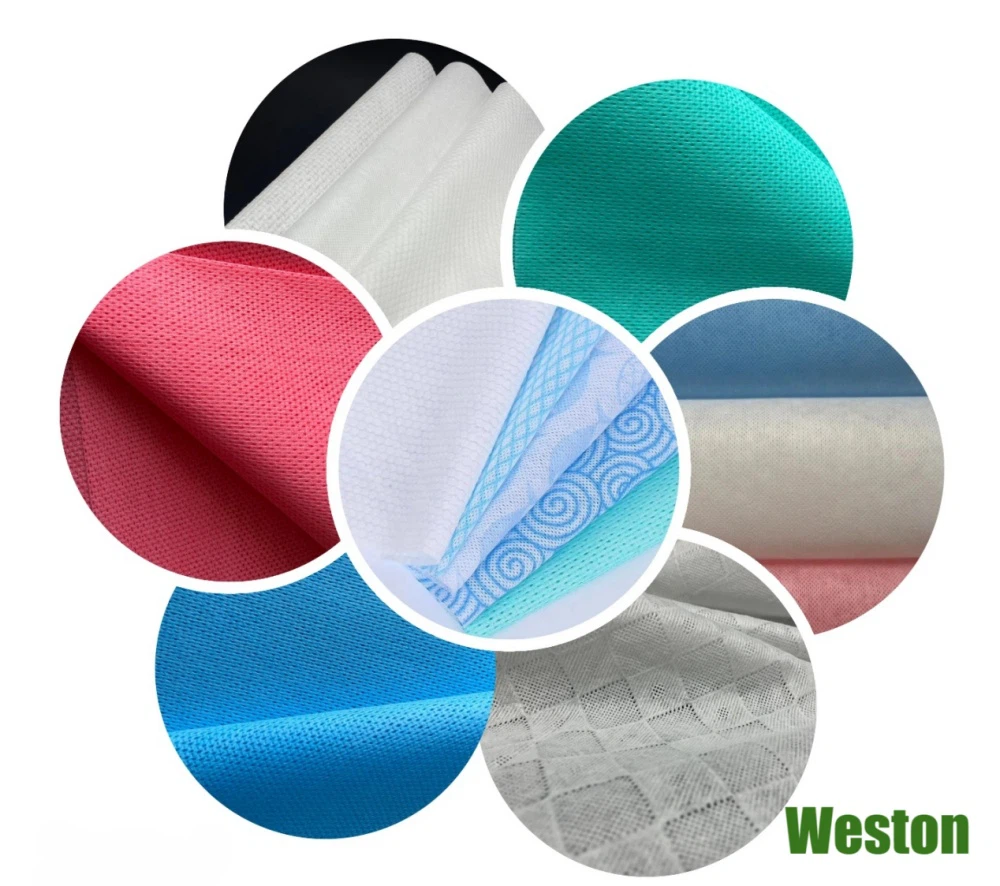
White/Green/Blue/Printed patterns (wave line, diamond, custom) |
Advanced Spunlace Functional Treatments Tailored to Your Needs
|
Category |
Customizable Spunlace Solution |
|
Surface Treatment |
Sized Spunlace Nonwoven |
|
Dyed Spunlace Nonwoven |
|
|
Printed Spunlace Nonwoven |
|
|
Aromatic Spunlace Nonwoven |
|
|
Essence-Infused Spunlace |
|
|
Functional Fiber Blends |
Functional Fiber Spunlace |
|
Graphene Conductive Spunlace |
|
|
Far-Infrared Spunlace |
|
|
Negative Ion Spunlace |
|
|
Antibacterial / Antiviral |
Copper Ion Antibacterial Spunlace |
|
Silver Ion Antibacterial Spunlace |
|
|
Antiviral Spunlace |
|
|
Protection & Hygiene |
Anti-Dust Mite Spunlace |
|
Anti-Mosquito Spunlace |
|
|
Anti-Odor Spunlace |
|
|
Anti-Mold Spunlace |
|
|
Formaldehyde-Removal Spunlace |
|
|
Photocatalyst Spunlace |
|
|
Performance Enhancement |
UV-Blocking Spunlace |
|
Antistatic Spunlace |
|
|
Sun-Resistant (Colorfast) Spunlace |
|
|
Heat-Storage Spunlace |
|
|
Light-Absorbing & Heating Spunlace |
|
|
Moisture-Regulating / Cooling Spunlace |
|
|
Flame-Retardant Spunlace |
|
|
Waterproof / Super-Hydrophobic Spunlace |
|
|
Anti-Pilling Spunlace |
|
|
Smart Functionalities |
Thermochromic Spunlace |
|
Photochromic Spunlace |
|
|
Advanced Treatment |
Three-Proof Spunlace (Water-, Oil-, Alcohol-Repellent) |
|
High-Temperature-Setting Spunlace |
|
|
Custom Development |
Other Functional Spunlace Solutions |
🎨 Fabric Printing Options
- Wave line
- Diamond pattern
- Multi-color printing
- Fully custom designs
01
📦 OEM Packaging
- Vacuum-packed wipes
- Soft-flow packing
- Retail carton boxes
- Industrial jumbo rolls
- Private label branding (logo, artwork, design support)
02
🔄 MOQ
MOQ is flexible and depends on:
- Customized grammage
- Mesh requirements
- Emboss pattern
- Packaging style
We support small-volume pilot orders for new projects.
03
⏳ Lead Time
Production time depends fully on your specifications
(material structure, embossing, printing, packaging, and test requirements).
We confirm exact schedule after technical details are finalized.
04
Quality Assurance & Certifications
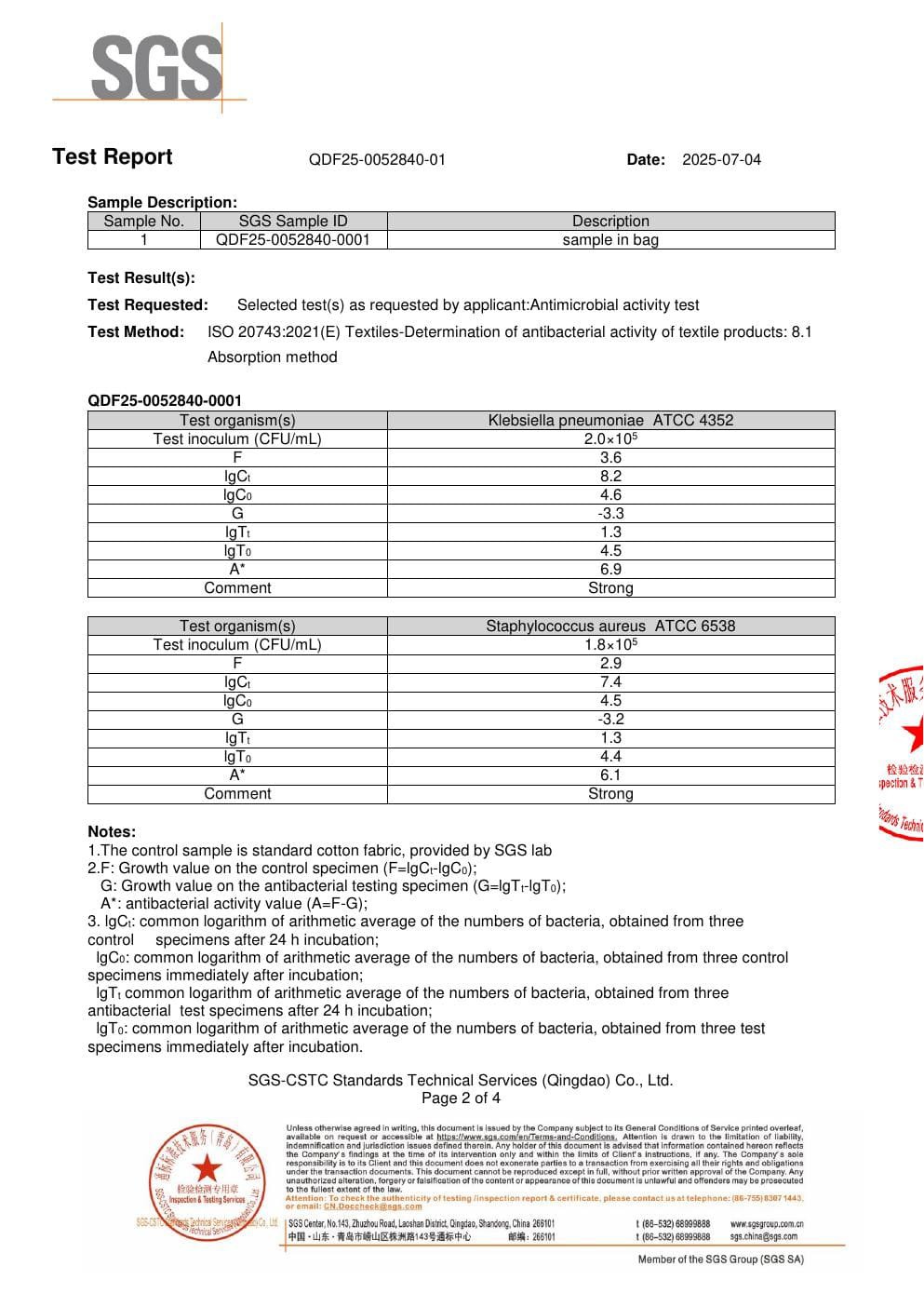
✔ International Standards
ISO 10993
Food Contact Certificate (for kitchen & catering wipes)
OEKO-TEX compliant fibers
Flushability Test Report
Antimicrobial Testing
SGS physical & chemical safety testing
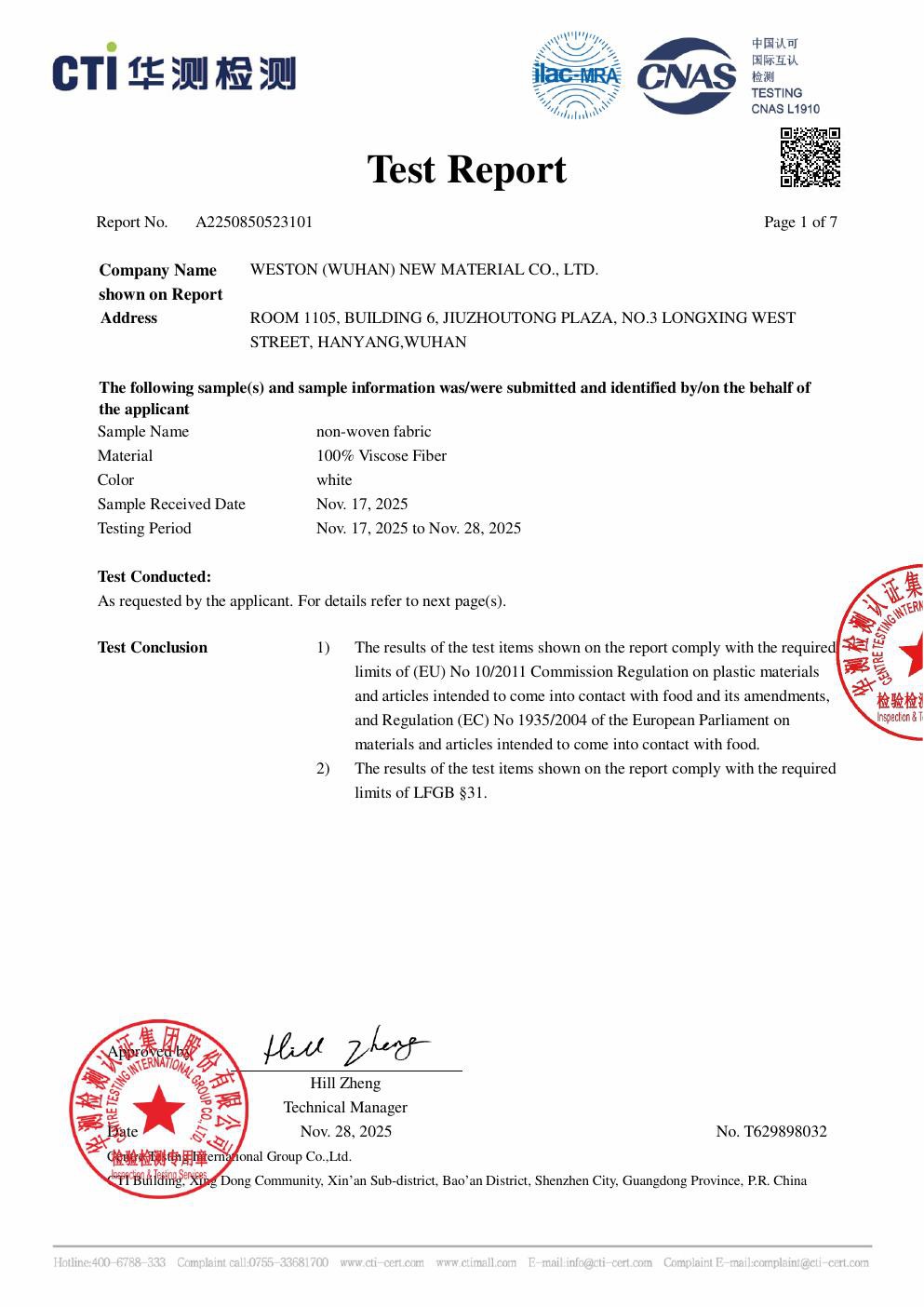
✔ Internal Quality Control
Fiber uniformity inspection
Lint and particle shedding test
Strength test (MD/CD tensile)
Absorbency test
Thickness measurement
Bacteria control & clean production
Performance Data
|
Performance Indicator |
Weston Value Range |
|
Absorbency Rate |
2–8× liquid retention |
|
Tensile Strength (MD/CD) |
30–60 N |
|
Lint Level |
Ultra-low, suitable for industrial use |
|
Thickness Range |
0.35–1.2 mm |
|
Oil Removal Efficiency |
Up to 45% faster vs. PP wipes |
|
Softness Rating |
High, skin-safe |
Exact values vary based on fiber blend, grammage, and mesh pattern.
Storage & Shelf Life Specifications
Shelf life can be optimized through fiber selection, surface treatment, and packaging design.
Dry Spunlace Nonwoven Fabric
Standard shelf life: 36 months under proper storage conditions.
Wet Wipes (Finished Products)
Standard shelf life: 24 months, subject to formulation, fabric structure, and packaging system.
-
![Black Spunlace Fabric]() Black Spunlace Fabric
Black Spunlace FabricIt is black because we make the spunlace fabric with black fibers, for example, black viscose fiber, or black polyester fiber or black bamboo fiber to meet different application demand.
-
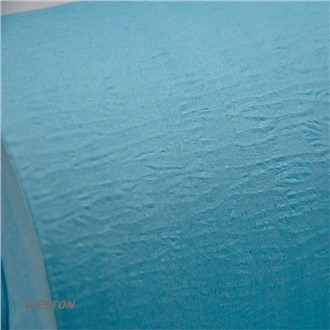
![Low Lint Printer Cleaning SMT Cleanroom Wipe Mother Rolls Creped Turquoise Color]() Low Lint Printer Cleaning SMT Cleanroom Wipe Mother Rolls...
Low Lint Printer Cleaning SMT Cleanroom Wipe Mother Rolls...Industrial SMT cleaning spunlace wipe rolls designed for low lint performance. Creped turquoise cleanroom wipe mother rolls for electronics, printer, and PCB cleaning applications.
-
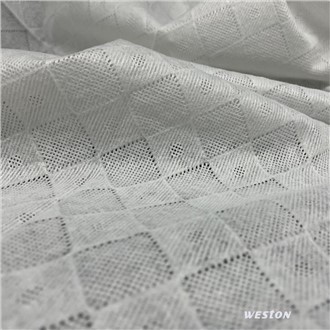
![100% Bamboo Fiber Checkerboard Diamond Embossed Spunlace]() 100% Bamboo Fiber Checkerboard Diamond Embossed Spunlace
100% Bamboo Fiber Checkerboard Diamond Embossed SpunlaceBearing the product theory of ‘leading, not following, Weston is making new embossing
-
![Pearl-Embossed Wood Pulp Nonwoven For Wet Wipes]() Pearl-Embossed Wood Pulp Nonwoven For Wet Wipes
Pearl-Embossed Wood Pulp Nonwoven For Wet WipesSource premium pearl-embossed nonwoven for wet wipes. Made with a 60/40 wood pulp-viscose blend, delivering 1306% absorbency, high tensile strength, and zero odor.
-
![Solvent Resistant Wipes Material]() Solvent Resistant Wipes Material
Solvent Resistant Wipes MaterialWeston’s Solvent Resistant Wipes Material is a double-layer composite nonwoven made from wood pulp + PP, designed for demanding wiping tasks where strong solvent resistance, low linting, and fast...
-
![Grease Absorbent Wipes]() Grease Absorbent Wipes
Grease Absorbent WipesHigh-performance grease absorbent wipes made from wood pulp + PP nonwoven fabric. Strong, low-lint, and solvent-resistant — ideal for industrial, food processing, and kitchen cleaning. Approved...
-
![Grease-Cutting Bubble Texture Cloth]() Grease-Cutting Bubble Texture Cloth
Grease-Cutting Bubble Texture ClothWeston Grease-Cutting Bubble Texture Cloth delivers powerful oil absorption, washable durability, and food-grade safety for home and industrial use.
-
![100% Cotton Nonwoven Topsheet Material]() 100% Cotton Nonwoven Topsheet Material
100% Cotton Nonwoven Topsheet MaterialUpgrade your hygiene products with Weston’s 100% cotton nonwoven topsheet, offering unmatched comfort, absorption, and sustainability.
-
![Odor Control Nonwoven Fabric]() Odor Control Nonwoven Fabric
Odor Control Nonwoven FabricOdor-neutralizing Nonwoven Fabric by Weston Nonwoven, made from 100% bamboo fiber. Soft, biodegradable spunlace rolls, customizable sizes, OEM/ODM packaging, ideal for wipes and hygiene applications.
-
![Janitorial Cleaning Wipes]() Janitorial Cleaning Wipes
Janitorial Cleaning WipesTackle garage spills, workshop grease, or patio dirt with ease. Buy disposable cleaning wipes in bulk—economical, ready-to-use, and tough on grease & dirt.
-
![Eco-Friendly Wood Pulp PLA Bag]() Eco-Friendly Wood Pulp PLA Bag
Eco-Friendly Wood Pulp PLA BagWeston Nonwoven offers custom eco tote bags made from biodegradable PLA and wood pulp nonwoven fabric—perfect for eco brands and OEM bulk orders.
-
![Daily Kitchen Wipes]() Daily Kitchen Wipes
Daily Kitchen WipesThese heavy-absorbency nonwoven wipes remove oil and food residue in seconds. Built tough for repeated use, ensuring clean countertops, pans, stovetops, and kitchen tools.


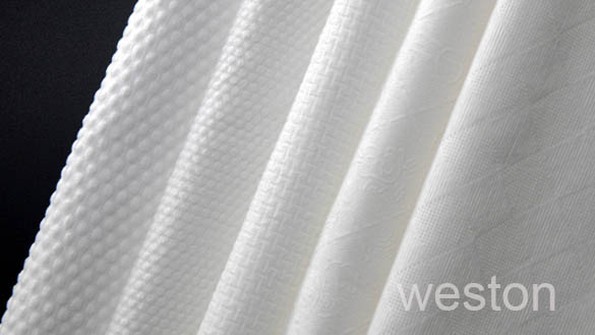
What is spunlace?
Spunlace nonwoven fabric is a kind of unknitted fabric made by short fibers(around 1.38detx and 35mm length) under hydroentanglement technics. This technic was firstly developped by DuPont company in 1960's. The fibers can be natural fibers, such as wool, silk, linen, cotton; they can also be conventional fibers, such as viscose fibers, lyocell fibers, bamboo fibers, polyester fibers, polypropylene fibers, acetate fibers, polyamide fibers, etc.; differentiated fibers, special-shaped fibers, ultra-fine fibers, high-curl fibers, low-melting-point fibers, etc.; and high-functional fibers such as carbon fibers even metal fibers.
Fibers we use For spunlace


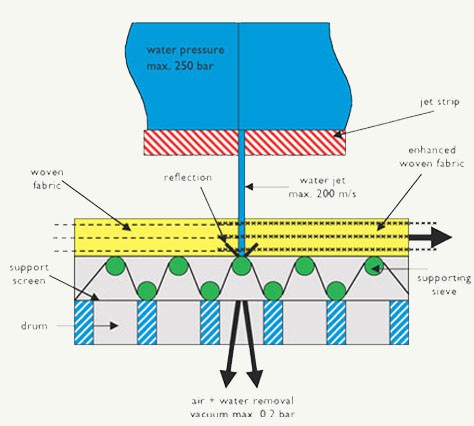
Spunlace nonwoven fabrics are made by spraying high-pressure fine water streams onto the fiber web. Under the force of the high-pressure water stream, the fibers will shift, begin to entangle and embrace, that is, the fibers will be twisted into a strand, so that the fiber web is strengthened. Therefore, spunlace nonwoven fabrics are stronger than ordinary nonwoven fabrics, and this technology will not damage the softness, strength, water absorption and breathability of the fibers.

01
Fiber openning
Fibers are opened from
big bales tightly packed
into seperated fibers.
02
Carding
Fibers are carded under
webbing machine into
parallel lapping or cross
lapping
03
Hydroentanglement
Fibers are 'weaved' into a
strong texture under high
pressure water jet
04
Air drying
The fabric get dry during hot
air drying machine to be ready as spunlace.
Features of spunlace
Here you would know which kind of spunlace you should choose for your application.
Spunlace nonwoven fabric is known for its soft texture, making it comfortable and gentle on the skin. This softness is comparable to traditional woven fabrics, which is why it is commonly used in wipes and hygiene products.
The fabric has excellent absorbent properties, making it ideal for products like wipes, medical gauze, and other absorbent items.
Despite its soft feel, spunlace nonwoven is strong and durable. It can withstand various stresses without tearing or breaking, which is why it is used in products that require robustness.
Spunlace nonwoven fabric does not shed fibers, making it suitable for applications where a clean, lint-free material is necessary, such as in electronics or medical fields.
The fabric is breathable, allowing air to pass through while maintaining a barrier against liquids. This makes it suitable for hygiene products, medical dressings, and clothing.
Spunlace nonwoven can be manufactured in a wide range of weights and thicknesses, allowing it to be tailored for specific applications, from lightweight facial wipes to heavier-duty cleaning cloths.
Some spunlace nonwoven fabrics are made from natural fibers like cotton or biodegradable materials, making them an environmentally friendly option.
The properties of spunlace nonwoven fabric can be customized by adjusting the type of fibers used (e.g., polyester, viscose, cotton), the bonding process, and the fabric’s structure, making it adaptable for various industrial needs.
application of spunlace
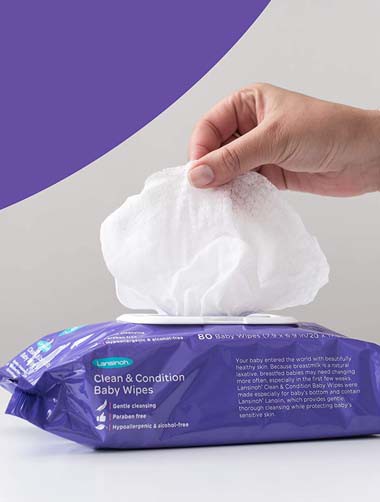
Personal Care
wet wipes/sanitary pads
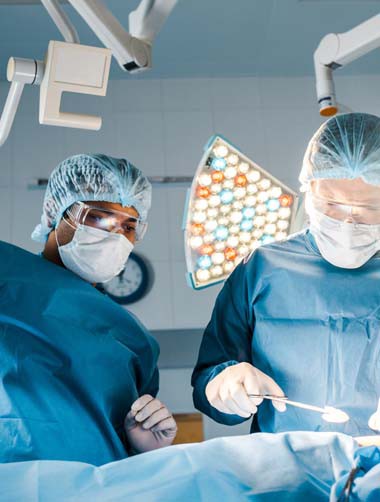
Medical and Healthcare
surgical gown/drapes
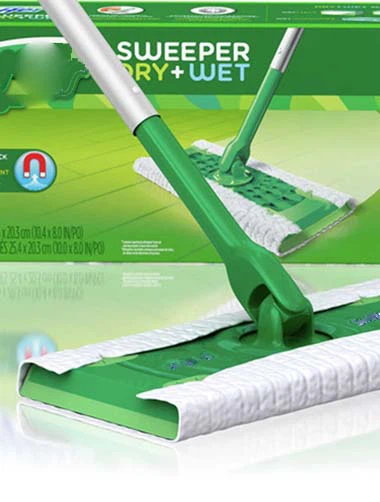
Household Cleaning
Cleaning wipes/mops/dusters
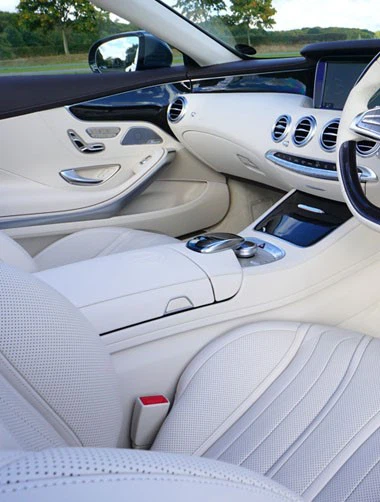
Automotive
Interior/auto wipes
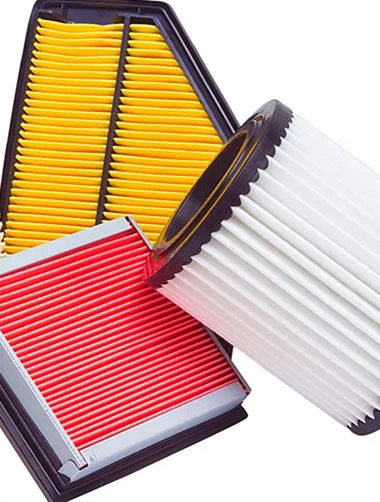
Industrial Application
Filtration/protective clothing

Aviation
Maintainance/wipes
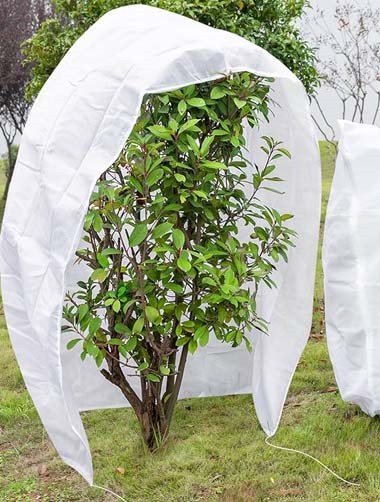
Agriculture
Plant Cover
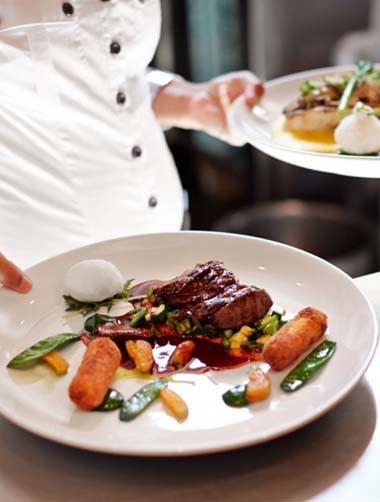
Food service
Catering wipes
New technology of spunlace in recent years
Lamination with traditional material brings new spunlace
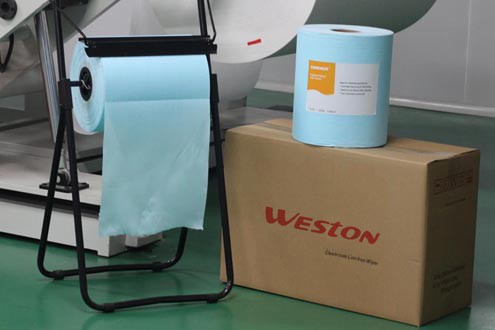
Spunlace and wood pulp air-laid composite technology
Since wood pulp is much cheaper than the short fibers commonly used in the spunlace method, and fluff pulp has good hygroscopicity and hand feel, the products made are cheaper than products made entirely of fibers and are very competitive in price, but the process has high requirements for the filtration system. The product can be used as wipes (70% g/m2), diapers and sanitary napkin core materials.
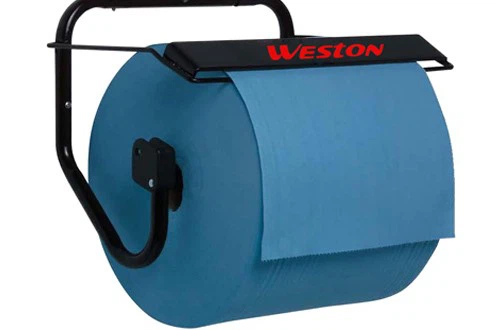
Spunlace and filament spunbond composite technology
The composite product of this method has both the strength of spunbond nonwovens and the good absorption performance of short fibers. It is more uniform and softer than spunbond nonwovens, has the function of absorbing water and oil, and has higher strength. It can be used as food packaging cloth, decorative cloth and cleaning cloth, etc.
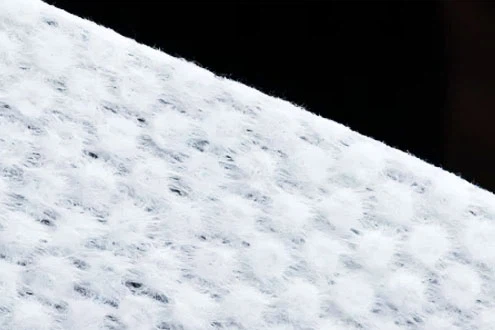
Spunlace and wet-laid web composite technology
The typical process is Detex's Hydraspun technology, which is composed of Detex's wet-laid web technology combined with Japan's Unicharm's registered Soflom spunlace method. The strength and softness of Hyderaspun wet-laid spunlace nonwovens are equal to or even exceed those of traditional dry-laid spunlace nonwovens. In addition, wet-laid spunlace nonwovens do not shed lint. Its seam tensile strength is twice that of dry-laid spunlace nonwovens, which is particularly suitable for the clothing field.

New product in spunlace industry
Research by Memis Acar of the Department of Mechanical Engineering at Loughborough University in the UK has proven that the spunlace process can process glass fibers to produce industrial fabrics. Because glass fibers have no curl, the traditional concept is that dry nonwoven processes are difficult to process. Most glass fiber nonwovens are generally processed by needle punching or wet processes, but North Carolina State University (NCSU) in the United States has successfully developed spunlace nonwovens blended with glass fibers and polyester. Coarse denier glass fibers with a diameter of 16um are difficult to process by spunlace. If they are mixed with fine denier glass fibers with a diameter of 6.5um, it is beneficial to improve the strength of spunlace nonwovens. Therefore, glass fibers of different deniers are mixed. Fine denier fibers are beneficial to spunlace, and coarse denier fibers are beneficial to improving the strength of spunlace nonwovens. If glass fibers are mixed with textile staple fibers such as polyester, the entanglement ability of spunlace can be enhanced. Mixing glass fibers with low-melting point polyester can produce glass fiber reinforced polyester composites.
Researchers at Auburm University in the United States used NGSN equipment to find that hydroentanglement can be used to produce geotextiles, which are produced by needle punching and hot rolling processes. The researchers found that changing the hydroentanglement pressure and the time the fiber mesh is exposed to the water needle can change the pore size of the geotextile. The pore size is a key indicator of geotextiles, especially when it is used as a sand filter layer to allow water to flow through and prevent soil movement. Prolonging the time the fiber mesh is exposed to the water needle or increasing the hydroentanglement pressure can enhance the hydroentanglement effect of the fiber mesh and reduce the pore size of the fabric. The pore size can be adjusted online without stopping, thereby increasing the production speed, which is more flexible and simple than other processing technologies for geotextiles.
New technology for functional finishing of fabrics: In 1995, BBA in the United States developed the Interspun process and applied for a patent. Using this process, the surface of the fabric is treated by hydroentanglement, which can have a positive effect on the structure and performance of the fabric. In 1998, BBA signed a cooperation agreement with Fleissner, and Fleissner was the exclusive machine supplier for this technology. Fleissner's Aquatex is a system that uses water jets to treat woven fabrics. It is called a revolutionary measure for the finishing process of woven fabrics. After the woven fabrics are treated with water jets, the yarns in the fabrics are loosened and the fabrics are effectively cleaned. Depending on the arrangement of the water jets, the two sides or one side of the fabric can obtain a peach skin effect. It can also eliminate the stress generated by the fabric during the process, make the warp yarns more uniform, thereby improving the feel and appearance of the fabric, increasing the thickness of the fabric, and making the fabric gloss soft. The wear resistance is more than 300% of that before treatment, and the slippage phenomenon at the sewing place is reduced by more than half. The anti-pilling performance is improved, the wrinkle resistance is improved, the fabric surface is more uniform, the gaps in the fabric surface are reduced, and the distribution is more uniform. It is used for dyeing cotton fabrics as if they have been treated with mercerization. Therefore, after the water jet treatment, the desizing, scouring, mercerization, sanding and other processes can be eliminated, and the bleaching process can also be simplified, which has obvious comprehensive economic benefits. The products are widely used in decorative fabrics, filter fabrics, household textiles, clothing, and automotive airbag fabrics.
Modified fibers Weston use in spunlace
PLA fiber
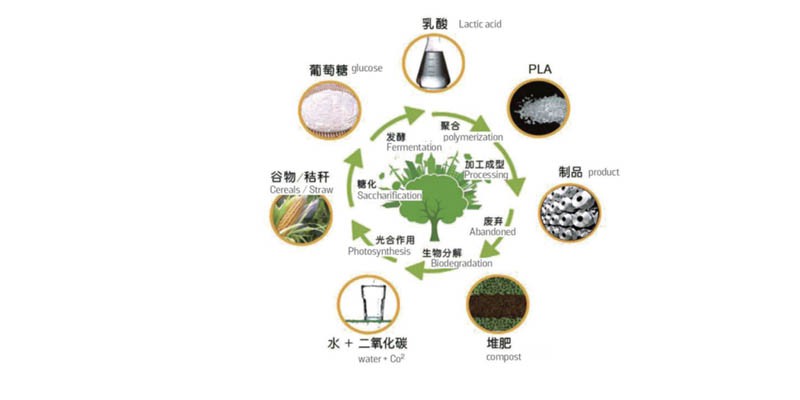
PLA (Polylactic Acid) fiber is a type of synthetic fiber made from renewable resources, usually derived from corn starch or sugarcane. It is commonly used in textiles and is known for being biodegradable and eco-friendly compared to traditional petroleum-based fibers.
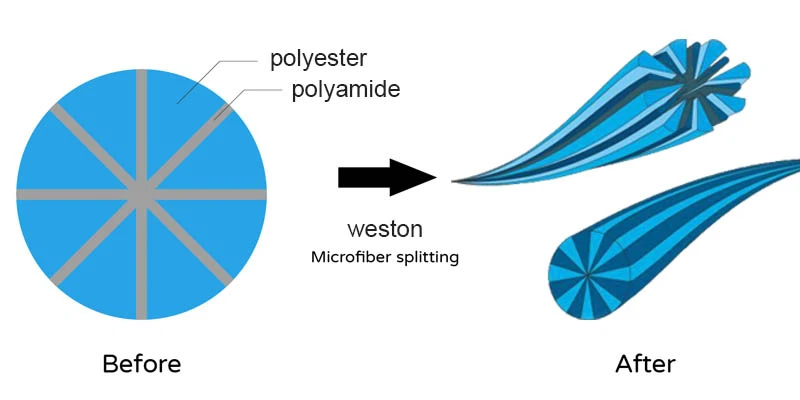
Split microfiber
Microfiber is a synthetic fiber made from polyester and polyamide (nylon), with each fiber being finer than a human hair. It's known for its ability to pick up and hold onto dirt, dust, and liquids effectively.
Bamboo charcoal fabric
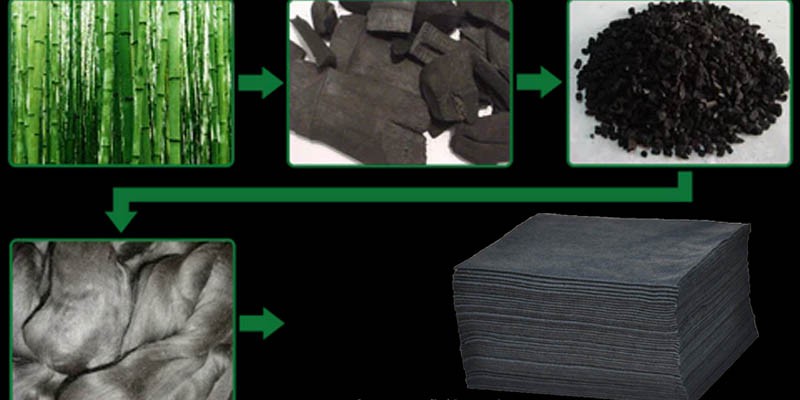
Bamboo charcoal fabric is a fabric treatment using the activated carbon of burnt bamboo; a highly porous material. This application has several benefits for garments, including thermal regulation, odor absorption, and static reduction. Bamboo charcoal fabric is also hypoallergenic and antibacterial.
Chitosan fiber
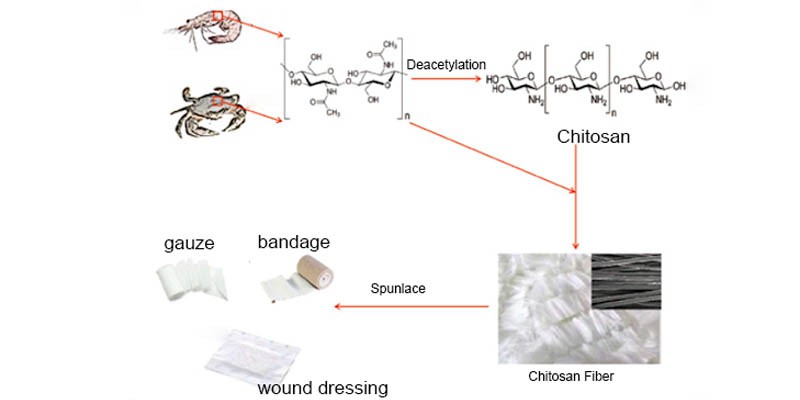
Chitosan fiber is known as health-care fiber. It is a natural organic fiber made by high-tech processing of chitosan solution and its derivative. It is an extremely rich organic renewable resource second only to cellulose. Features: antibacterial and anti-infection, skin care and moisturizing, moisture absorption and breathability, soft and smooth, anti-static, natural degradation, natural and environmentally friendly.
We're well-known as one of the leading spunlace manufacturers in China, specialized in providing the best customized service. Please rest assured to wholesale high quality spunlace at competitive price from our factory.