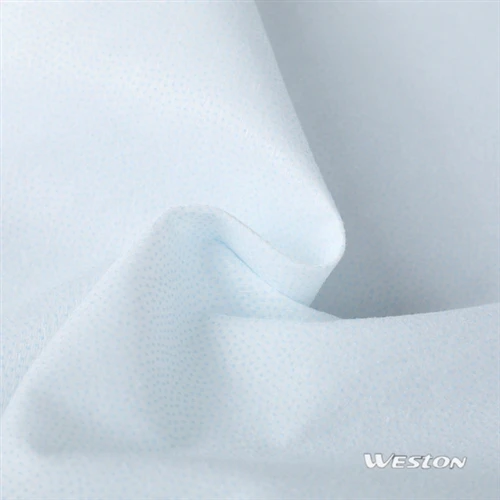
What is Bamboo Charcoal Fabric Made Of?
Bamboo charcoal fabric sounds natural and simple, but its structure is more technical than the name suggests. It is not made from raw bamboo fibers alone. Instead, it is a functional composite material, where bamboo charcoal is combined with other fibers to create a usable textile.
Understanding what it is made of requires looking at both parts: the charcoal itself and the base fiber that holds everything together.

What Exactly Is Bamboo Charcoal?
Bamboo charcoal comes from natural bamboo, but it is not used in its original plant form.
Production process:
Bamboo stems are placed in a low-oxygen furnace
Heated to high temperatures, usually 800–1000°C
This process is called carbonization
The final product is a black, porous charcoal material
Key structural feature:
Bamboo charcoal contains a large number of microscopic pores
These pores increase surface area and enable adsorption
This porous structure is the reason bamboo charcoal is associated with odor control and moisture regulation.
Why Charcoal Cannot Be Used Alone
Charcoal, by itself, is brittle and cannot be spun into yarn or formed into fabric. It must be processed into a usable form.
Practical limitation:
No flexibility
No tensile strength
Cannot form continuous fibers
Because of this, manufacturers convert bamboo charcoal into fine powder and combine it with other materials.
What Bamboo Charcoal Fabric Is Actually Made Of
In most cases, bamboo charcoal fabric consists of two main components:
1. Bamboo Charcoal Powder
Finely ground particles
Distributed within or on fibers
Provides functional properties
2. Base Fiber Material
Common options include:
Polyester
Viscose (regenerated cellulose)
Cotton (less common)
Blended fibers
Typical composition:
70–90% base fiber
10–30% bamboo charcoal powder
This means the fabric is engineered, not purely natural.
How Bamboo Charcoal Is Turned Into Fabric
There are several industrial methods used to incorporate charcoal into textiles.
Blending Into Synthetic Fibers
Charcoal powder is mixed with molten polymer (like polyester)
Extruded into fibers during spinning
Result:
Even distribution
Good durability
Common in apparel and technical textiles
Mixing Into Regenerated Fibers
Added into viscose solution before fiber formation
Result:
Softer texture
More natural feel
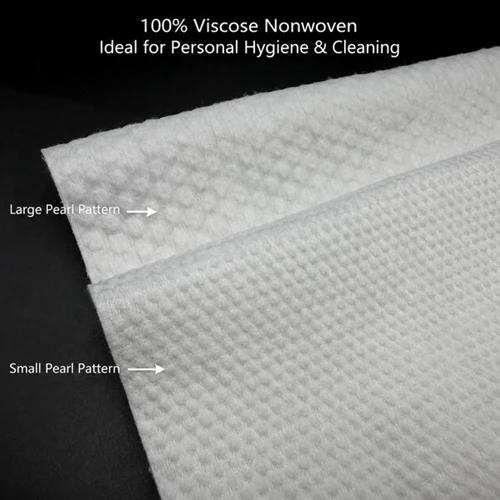
Applying to Nonwoven Structures
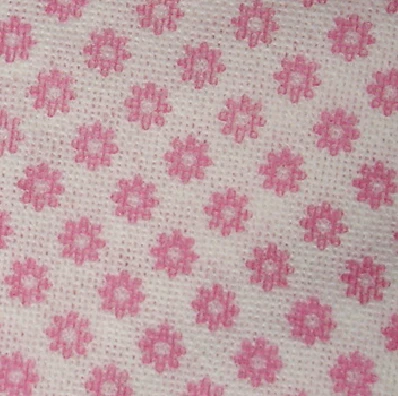
Charcoal particles are embedded or bonded into nonwoven fabrics
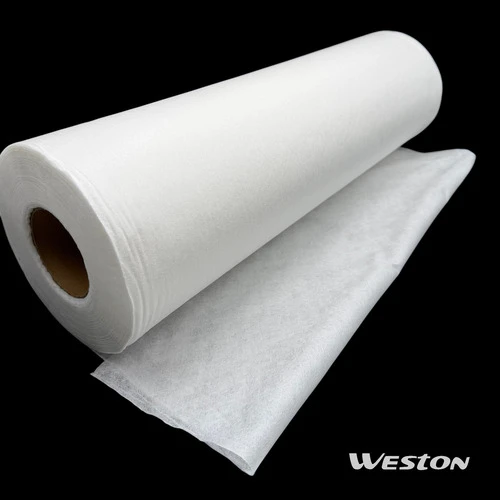
This method is widely used in hygiene and disposable products, including Bamboo Charcoal Spunlace, where hydroentanglement technology creates a soft yet strong fabric structure.

Key Functional Properties (What Is Real)
Bamboo charcoal fabric is often marketed with many benefits. Some are grounded in material science, others are overstated.
Verified Functional Effects
Odor adsorption: pores trap odor molecules
Moisture control: helps reduce damp feeling
Breathability: depends on fabric structure
Effects That Depend on Processing
Antibacterial performance (often requires additional treatment)
Thermal regulation (limited and variable)
Claims That Need Caution
Detoxification
Strong medical benefits
Permanent antibacterial effects without additives
The performance of the fabric is influenced as much by manufacturing quality as by charcoal content.
Is Bamboo Charcoal Fabric Eco-Friendly?
The answer is mixed and should be viewed realistically.
Positive factors:
Bamboo grows quickly
Renewable raw material
Limitations:
Carbonization requires high energy
Synthetic blends reduce biodegradability
Viscose processing involves chemicals
So, bamboo charcoal fabric is partially sustainable, but not fully environmentally neutral.
Where This Material Is Commonly Used
Because of its balance between cost and function, bamboo charcoal fabric is used in:
Sportswear and underwear
Socks and shoe linings
Bedding and pillow covers
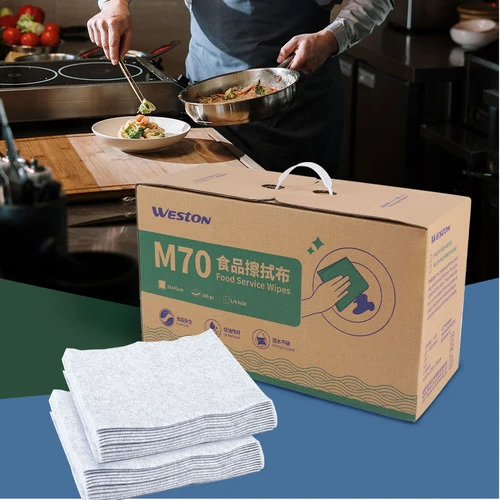
Cleaning textiles
Disposable hygiene products
In nonwoven formats, especially spunlace, it is valued for combining softness, absorbency, and functional additives. Manufacturers like Weston Nonwoven Bamboo Charcoal Spunlace quietly position this material for applications where both comfort and cleanliness matter, while also acting as a Bamboo Charcoal Fabric Nonwoven supplier for customized industrial uses.
Common Misunderstandings
Several misconceptions appear frequently in the market:
It is not 100% bamboo fiber
Charcoal is added, not naturally spun
Function depends on structure, not just material name
A fabric labeled "bamboo charcoal" should always be understood as a blended functional textile, not a raw plant-derived fabric.
How to Evaluate Bamboo Charcoal Fabric
For practical use or sourcing, focus on measurable factors:
Charcoal content ratio
Type of base fiber
Fabric density and weight
Manufacturing consistency
Surface uniformity
For nonwoven applications, additional aspects include:
Fiber entanglement strength
Absorbency rate
Lint control
These factors have a direct impact on real-world performance.
Why the Material Continues to Be Used
Bamboo charcoal fabric remains relevant because it offers a balanced combination of function and cost. It does not rely on complex coatings alone, and it integrates easily into existing textile processes.
In formats like spunlace nonwoven, it becomes especially practical-lightweight, soft, and adaptable-without requiring major changes in production systems. This makes it a stable option for manufacturers looking to add incremental functionality rather than dramatic, unproven claims.