What Are Disposable Sheets Used For?
Disposable sheets are simple, single-use products designed to provide a clean surface without repeated washing. Unlike traditional bedding, which requires regular laundering, disposable sheets focus on convenience, hygiene, and efficiency. They are usually made from nonwoven fabrics that are lightweight, soft, and often engineered for specific purposes.

Understanding their practical applications-and the concerns surrounding them-helps us see their true value in different contexts.
Hygiene-Critical Environments
In places where cleanliness directly affects health outcomes, disposable sheets are most widely used.
Typical use cases include:
Hospitals, clinics, and emergency care units
Examination rooms and recovery wards
In these settings, each patient requires a fresh surface. Reusing fabric bedding increases the risk of cross-contamination if not properly handled. Disposable sheets reduce this risk because they are replaced after each use.
Key benefits in medical settings:
Reduce risk of infection transfer
Simplify hygiene protocols
Eliminate laundry turnaround concerns
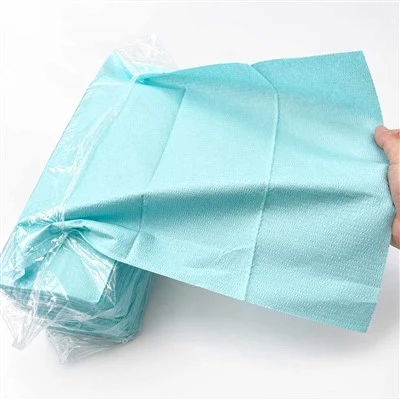
Products like Disposable Medical Bed Sheets are often seen not as optional, but as a practical baseline in healthcare. While some may find the idea of single-use sheets off-putting, in hospitals and care facilities, hygiene and convenience outweigh aesthetic concerns.
Caregiving and Home Use
Disposable sheets are also useful in home care, especially for elderly or bedridden individuals.
Common scenarios:
Supporting post-surgery recovery at home
Caring for incontinence or temporary illness
Reducing laundry for caregivers
For many, daily washing of traditional bedding is time-consuming. Disposable sheets simplify the process, allowing caregivers to maintain a clean sleeping environment with minimal effort.
Practical advantages:
Quick change after accidents
Reduced physical strain for caregivers
Consistent hygiene day-to-day
Some users suggest combining disposable sheets with washable pads for maximum efficiency and environmental consideration: "1st layer-big washable pad. It's anti-skid too. We only wash this once a month." This approach balances convenience with sustainability.
Travel and Temporary Bedding
Disposable sheets can also serve as a personal hygiene layer when traveling or staying in temporary accommodations.
Typical situations include:
Hotels, hostels, and short-term rentals
Long-distance travel (planes, trains, RVs)
Camping and outdoor use
They act as a barrier between the user and existing bedding. For travelers, this is about controlling cleanliness when hygiene conditions are uncertain.
Why travelers use them:
Lightweight and easy to carry
No reliance on supplied bedding
Simple disposal after use
Some practical voices advise alternatives: "Why create waste with disposable sheets when you can just pack your own real sheets and put them over the cruise ones?" This highlights environmental concerns and the perception that disposable sheets may be unnecessary outside critical situations.

Beauty, Wellness, and Personal Care
In service-based industries, disposable sheets help maintain professional hygiene standards.
Applications include:
Spas and massage centers
Beauty salons and facial treatment clinics
Tattoo or wellness studios
Each client expects a clean surface. Washing fabric sheets after every session slows operations, while disposable sheets simplify this process.
Operational benefits:
One-time use ensures cleanliness
Faster turnover between clients
Reduced handling and laundry costs
While some may perceive disposable sheets as excessive for personal or luxury use, in professional settings they solve real logistical problems.
Everyday Practical Uses and Concerns
Disposable sheets can also solve small, everyday issues, though not without criticism.
Examples:
Protecting mattresses during moving or renovation
Temporary bedding for guests
Children or pets handling spills
However, general opinions from users often highlight downsides:
Negative perception: Some find them unnecessary or off-putting. "This was just such a repulsive product as pitched, I felt kind of bad for the guy."
Environmental concerns: There is real worry about waste. "I understand dry sheets for camping are nice, but disposable? So sad."
Proper use: They are better suited for temporary situations, like illness or travel. "If they had been marketed as, 'temporary sheets for when your child is sick,' it would have been much better."
Practical tips from users help address concerns:
Proper washing and storage of reusable sheets to avoid odor rebloom
Use scented soaps or ensure airflow to maintain freshness
Material and Performance Basics
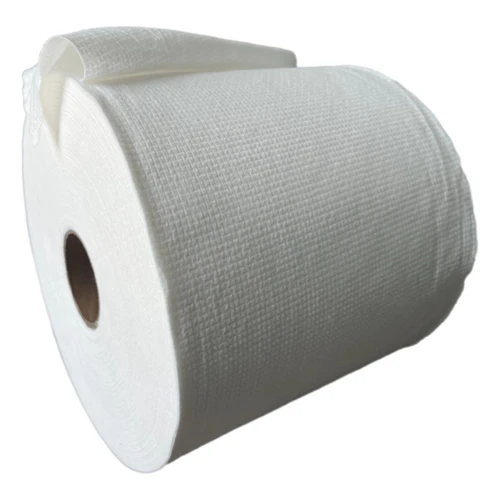
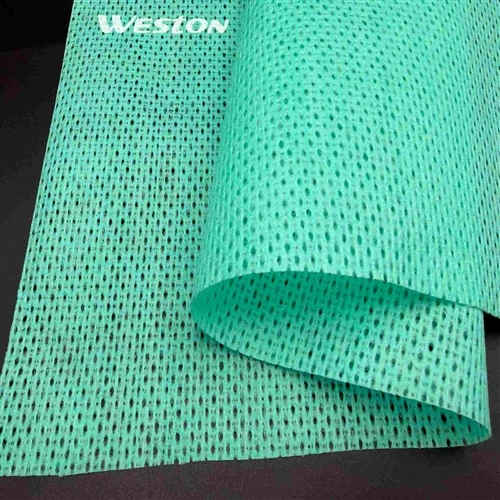
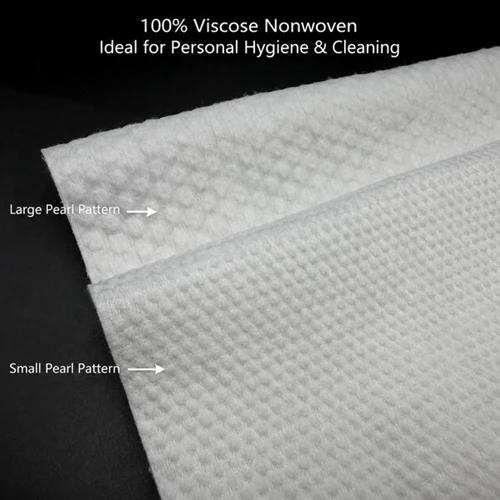
Most disposable sheets are made from nonwoven fabrics. This allows them to be lightweight, breathable, and skin-friendly while still providing basic fluid resistance.
Typical features:
Soft, non-irritating surface
Optional waterproof backing
Durable enough for one-time use
Manufacturers like Weston Nonwoven focus on spunlace nonwoven fabrics and can supply wholesale nonwoven fabric for businesses that need consistent quality. Their products, such as Disposable Medical Bed Sheets, are engineered to balance comfort, hygiene, and usability.
Efficiency and Environmental Perspective
Disposable sheets reduce the burden of washing, saving water, energy, and labor. However, they do generate waste, and their sustainability depends on material choice and disposal methods.
Current trends:
Biodegradable fibers like viscose or PLA
Reduced chemical processing in manufacturing
Eco-friendlier nonwoven fabrics
Balancing convenience, hygiene, and environmental impact is key. Disposable sheets are most effective in settings where hygiene and time efficiency are critical, but they are not a one-size-fits-all solution.
Disposable sheets provide a practical, hygienic option in specific situations-medical care, temporary bedding, travel, and professional services. While some perceive them as wasteful or unnecessary for daily home use, they offer a controlled, convenient layer of protection when traditional bedding is impractical. Proper material choice, usage, and disposal help maximize their benefits while addressing concerns about environment and practicality.