FlameGuard vs. Traditional Nonwovens: Which Offers Better Fire Retardancy for Your Project?
Nonwoven fabrics are everywhere-furniture, construction materials, protective clothing, and more. While they are versatile and cost-effective, one key challenge remains: fire safety. For designers, engineers, and facility managers, choosing a nonwoven that resists flames can mean the difference between a safe project and a hazardous one. In this article, we break down the differences between traditional nonwovens and FlameGuard options, exploring how fire retardancy works and when it matters.

Understanding Fire Retardancy in Nonwovens
Fire retardancy is a measure of how a material resists ignition and slows the spread of flames. It does not make materials completely fireproof, but it gives critical time for safety measures to work.
Several factors determine a nonwoven's fire behavior:
Material composition: Some fibers naturally burn slower, while others melt or ignite quickly.
Density and thickness: Thicker, denser fabrics tend to resist flames better.
Chemical treatment: Fire-retardant additives can dramatically improve performance without changing the fabric's look or feel.
Not all nonwovens are created equal. A standard polyester or polypropylene nonwoven may be ideal for general-purpose uses, but when safety is a priority, fire-resistant options are worth considering.
Traditional Nonwovens – Strengths and Limitations
Traditional nonwovens are often made from fibers like polypropylene, polyester, rayon, or blends. Their advantages are clear:
Affordable and widely available
Lightweight and flexible
Easy to cut, shape, and process
However, their fire safety is limited. Most traditional nonwovens can:
Ignite quickly under high heat
Melt or shrink when exposed to flames
Release smoke or toxic gases in a fire
For low-risk applications-like disposable covers, packaging, or general textiles-these materials are usually sufficient. But in high-risk settings such as hospitals, public buildings, or industrial spaces, relying on standard nonwovens could be dangerous.
FlameGuard Nonwovens – The Science Behind the Safety
FlameGuard nonwovens are engineered specifically to resist fire. They combine carefully selected fibers with embedded fire-retardant treatments. The effect is measurable: flames spread more slowly, ignition points are higher, and heat release is reduced.
Key points about FlameGuard performance:
Slows ignition and flame propagation
Minimizes smoke and harmful gas emission
Maintains structural integrity under heat
These characteristics make FlameGuard fabrics suitable for high-risk environments like hospitals, transportation interiors, and construction materials. They offer peace of mind without compromising usability or flexibility.
Comparing Traditional and FlameGuard Nonwovens
A simple side-by-side comparison helps clarify the differences:
|
Feature |
Traditional Nonwovens |
FlameGuard Nonwovens |
|
Fire Resistance |
Low to moderate |
High |
|
Smoke & Toxicity |
Higher risk |
Lower risk |
|
Durability |
Standard |
High |
|
Cost |
Lower |
Slightly higher |
|
Ideal Applications |
Everyday, low-risk |
Hospitals, public spaces, industrial use |
The comparison shows that while traditional nonwovens remain useful for everyday applications, FlameGuard fabrics are a clear step up when fire safety is essential.
Choosing the Right Material for Your Project
Selecting a nonwoven starts with assessing the risk level of the application. Ask these questions:
Will the material be exposed to heat or sparks?
Are people frequently nearby?
Is compliance with fire safety codes required?
For low-risk projects like disposable covers or light packaging, traditional nonwovens are cost-effective and sufficient. For medium- to high-risk projects, investing in FlameGuard nonwovens is a practical decision. Remember: no material is entirely fireproof-proper installation, handling, and maintenance are also critical.
Beyond Fire Resistance: Versatility of Weston Nonwoven Products
While fire safety is important, projects often need fabrics with multiple protective properties. Weston Nonwoven factory offers a wide range of customizable nonwovens. In addition to Flame Retardant Nonwoven, Weston can produce fabrics that are:
Waterproof – ideal for protective covers and medical applications
Anti-static – perfect for electronics or sensitive environments
This versatility allows designers and engineers to choose a nonwoven that meets multiple functional requirements without compromising performance.
Practical Tips for Implementation
Even the best materials require careful use to maximize safety:
Installation matters: Ensure fabrics are properly mounted, spaced, and supported.
Combine safety measures: Smoke detectors, sprinklers, and ventilation improve overall fire safety.
Regular inspection: Over time, wear or contamination can reduce fire resistance. Routine checks help maintain safety.
By pairing high-quality nonwovens with thoughtful project design, you can significantly reduce fire risks while keeping your spaces functional and comfortable.
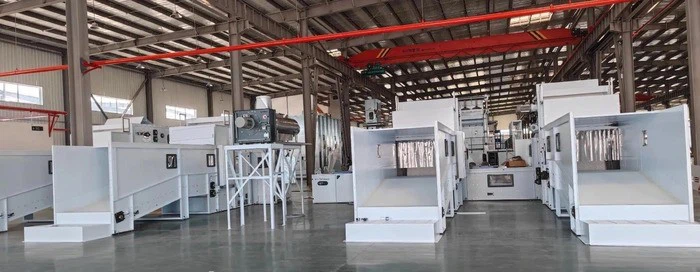
Choosing between traditional and FlameGuard nonwovens isn't just about cost-it's about matching material properties to real-world risks. With the right understanding of fire behavior and careful material selection, projects can achieve a balance of safety, durability, and performance. Flame Retardant Nonwoven fabrics from Weston Nonwoven factory offer a reliable option for environments where safety cannot be compromised, while traditional nonwovens remain practical for everyday, low-risk applications. Beyond fire retardancy, Weston also provides specialized nonwovens for water resistance and anti-static purposes, making it easy to find the right fabric for any project need.