What Are the Pros and Cons of Cotton Pads?
Cotton pads are one of the most familiar tools in skincare. They are small, simple, and easy to overlook, yet they appear in bathrooms, beauty salons, and dermatology clinics around the world. From removing makeup to applying toner, cotton pads have quietly become part of everyday routines.
But despite their popularity, cotton pads are rarely discussed in detail. Many people use them daily without thinking about how they work, what they are made of, or whether they are always the best choice. Looking closely at their strengths and weaknesses helps explain why they remain useful-and where their limitations appear.

What Cotton Pads Are Made Of
At their core, cotton pads are compressed layers of fiber designed to hold liquid and release it gradually onto the skin.
Most pads on the market fall into a few material categories.
Common materials used in cotton pads
100% cotton fibers – the traditional and most widely recognized option
Cotton–viscose blends – used to improve softness and liquid absorption
Cotton with synthetic reinforcement – helps improve pad strength and reduce tearing
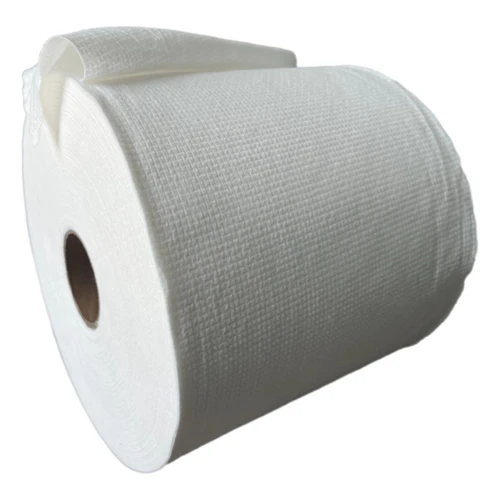
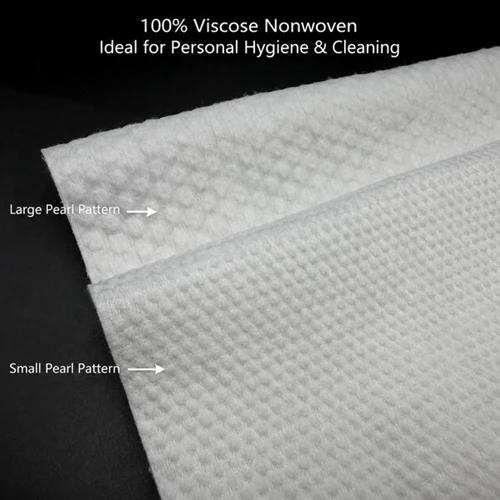
The fibers are typically arranged in thin layers and lightly pressed together. Some pads include an embossed or stitched surface pattern that helps hold the fibers in place and control lint.
These structural details matter more than many people realize. The density of the fibers, the bonding method, and the surface pattern all influence how a cotton pad feels on the skin and how it handles liquids.
Why Cotton Pads Became a Skincare Staple
Cotton pads gained popularity mainly because they simplify the use of liquid skincare products.
In modern routines, many products-toners, cleansing waters, makeup removers-are designed to be applied with a soft absorbent surface. Cotton pads provide a simple way to distribute these liquids evenly.
Several practical features explain their long-standing use.
Convenience and speed
Cotton pads require no preparation. They are ready to use, easy to store, and easy to dispose of. This convenience is especially useful in fast daily routines.
Controlled product application
Because cotton fibers absorb liquids easily, they help spread toner or cleansing water across the skin in a thin and even layer.
Gentle contact with skin
Compared with paper tissues or rough fabrics, cotton pads offer a soft and flexible surface that adapts to facial contours.
Hygiene advantages
In professional environments such as beauty clinics or spas, disposable tools are important. A fresh pad for each use reduces the risk of cross-contamination.
These practical advantages explain why cotton pads remain widely used even as skincare trends change.
The Less Obvious Drawbacks
Cotton pads are useful, but they are not perfect. Several limitations appear when people begin paying closer attention to product usage and environmental impact.
Liquid absorption can waste product
Cotton fibers hold liquids very efficiently. This helps with application, but it also means that a portion of the product stays trapped inside the pad.
For inexpensive products, this may not matter. However, when using high-value skincare formulas, excessive absorption can lead to noticeable product waste.
Fiber shedding and lint
Lower-quality pads sometimes release small fibers during use. These loose fibers can remain on the skin and interfere with makeup application.
Lint problems usually occur when fiber layers are not bonded firmly or when the pad density is too low.
Environmental pressure from cotton farming
Cotton is a natural fiber, but growing it requires land, water, and agricultural resources. Large-scale cotton production can contribute to environmental pressure, particularly in regions where irrigation water is limited.
Daily disposable waste
Cotton pads are designed for single use. When used twice a day, a household may discard hundreds of pads every year. This raises questions about waste reduction and sustainable alternatives.
These issues do not necessarily mean cotton pads should be avoided. Instead, they highlight the importance of choosing well-made products and using them thoughtfully.
Different Types of Cotton Pads on the Market
Not all cotton pads are the same. Differences in structure and design can noticeably change the user experience.
Common cotton pad formats
Round pads – widely used for makeup removal
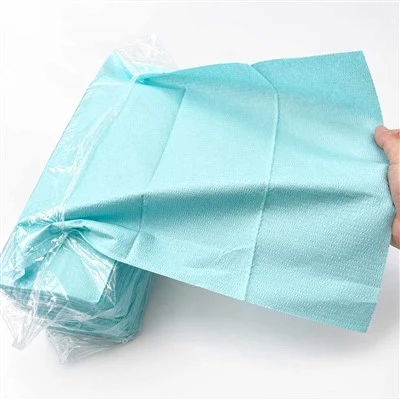
Square pads – common in professional skincare settings
Embossed pads – textured surface helps distribute liquid evenly
Multi-layer pads – designed to reduce lint and improve strength
Thickness also varies significantly. Thin pads absorb less liquid and waste less product, while thicker pads provide a softer feel but hold more fluid.
Understanding these differences helps consumers choose pads that match their skincare habits.
When Cotton Pads Work Best
Cotton pads are especially effective in certain situations.
They work well when removing eye makeup, applying micellar water, or spreading toner across the face. Their absorbent surface allows gentle wiping without excessive friction.
In professional skincare treatments, disposable cotton pads also provide a hygienic and practical solution.
For these reasons, cotton pads continue to play a useful role in both personal and professional skincare routines.
When Alternatives May Make Sense
In recent years, some consumers have begun exploring alternatives to traditional cotton pads.
Reusable cloth pads, bamboo fiber wipes, and modern nonwoven materials are gaining attention. These materials often aim to reduce lint, improve durability, or lower environmental impact.
In particular, hydroentangled nonwoven fabrics-often called spunlace-have become common in facial cleansing products. Their structure allows high softness and strength without heavy compression.
Many skincare brands now use materials similar to Cotton Face Cleansing Wipes and High Loft Spunlace For Makeup Pads made from spunlace nonwoven fabric. These materials combine softness with better fiber stability, which can help reduce lint and improve wiping performance.

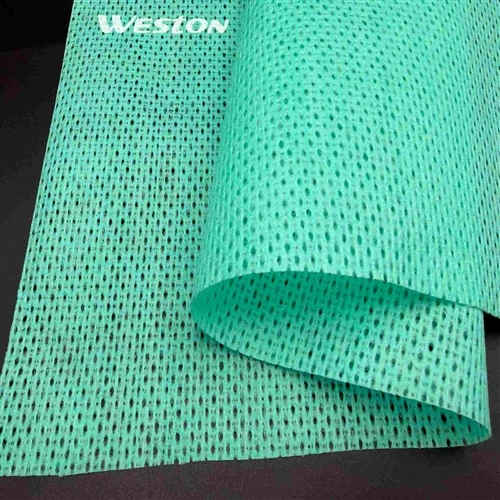
Manufacturers such as Weston Nonwoven produce facial cleansing substrates using a range of fiber options, including cotton, viscose, bamboo, and blended materials. The factory offers customizable basis weights and fabric structures for products like Cotton Face Cleansing Wipes and High Loft Spunlace For Makeup Pads, allowing brands to balance softness, absorbency, and durability for different skincare applications.
Choosing Better Cotton Pads
For consumers who continue using cotton pads, several practical factors can improve the experience.
Key quality indicators
- Fiber purity and cleanliness
- Pad density and thickness balance
- Surface bonding or embossing structure
- Low lint performance
- Controlled absorption
- Higher-quality pads usually feel smoother, release fewer fibers, and distribute liquids more evenly.
Paying attention to these details helps turn a basic everyday product into a more reliable skincare tool.
Cotton pads may appear simple, but their design, materials, and manufacturing methods all influence how they perform. Understanding their strengths and limitations allows consumers to make better choices-whether sticking with traditional cotton pads or exploring newer materials developed for modern skincare routines.