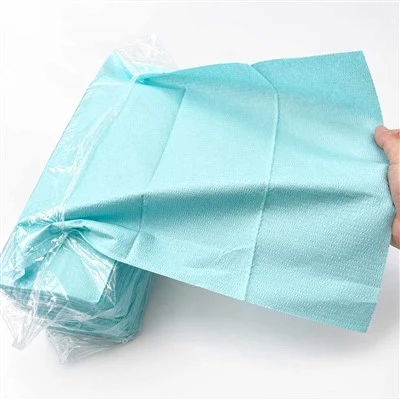
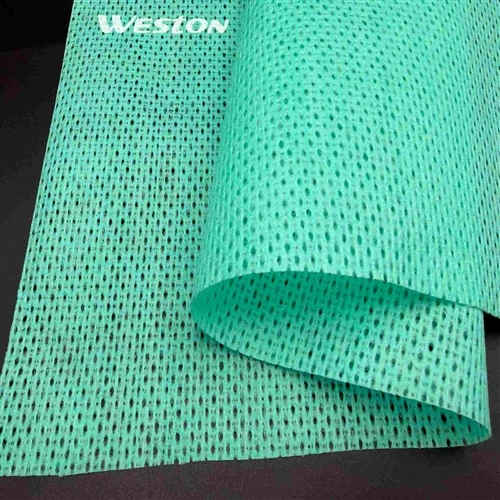
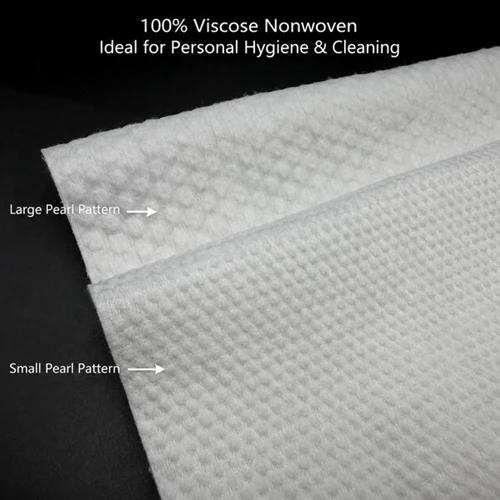
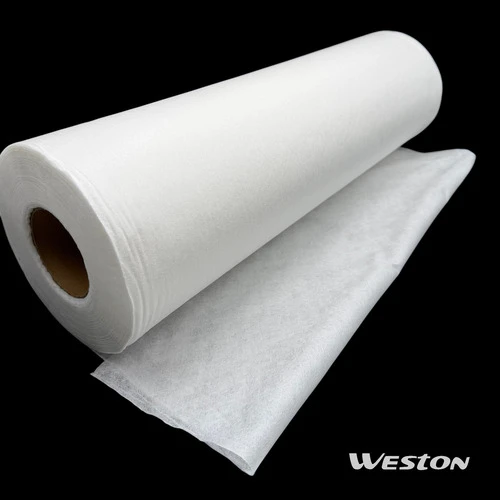
What Are Plant-Based Wipes?
Plant-based wipes are becoming common in personal care, household cleaning, and food service environments. Many brands highlight them as a cleaner or more responsible option compared with traditional synthetic wipes.
But the term "plant-based" can be confusing. Some wipes are made entirely from plant fibers. Others only use plant materials as part of the fabric blend.
Understanding how these wipes are made-and where they work best-helps buyers make practical decisions rather than relying on marketing labels.

What "Plant-Based" Means in Wipe Materials
In simple terms, plant-based wipes are disposable wipes made from cellulose fibers derived from plants instead of petroleum-based plastic fibers.
Cellulose is the structural material inside plant cell walls. It can be extracted and processed into fibers that are soft, absorbent, and suitable for nonwoven fabrics.
Common plant sources include:
Wood pulp
Bamboo
Cotton
Agricultural cellulose fibers
These fibers are turned into nonwoven fabrics through industrial processes. The resulting wipes can be used dry or wet depending on the application.
Some wipes are 100% cellulose, while others blend plant fibers with synthetic reinforcement fibers. Blends are often used to improve durability or reduce cost.
Common Plant Fibers Used in Wipes
Plant-based wipes are not made from a single material. Several types of plant fibers are widely used in nonwoven production.
Wood Pulp Viscose
Wood pulp is one of the most widely used raw materials in wipes.
The pulp is processed into viscose fibers, which are regenerated cellulose fibers. These fibers are soft and absorbent, making them suitable for hygiene and cosmetic wipes.
Typical characteristics include:
High liquid absorption
Smooth surface
Good softness for skin contact
Because wood pulp is widely available, viscose fibers provide a stable supply for large-scale wipe manufacturing.
Bamboo-Derived Cellulose
Bamboo grows quickly and is often promoted as a renewable raw material. Bamboo fibers used in wipes are typically regenerated into bamboo viscose.
Advantages include:
Good softness
Fast moisture absorption
Renewable plant resource
However, bamboo fibers still go through industrial processing before becoming textile fibers.
Cotton Fiber
Cotton is a natural fiber commonly used in premium cosmetic wipes.
It offers:
Very soft texture
High skin compatibility
Natural plant origin
Cotton wipes are often used for facial cleansing, baby care, and cosmetic pads. The downside is that cotton can be more expensive and sometimes produces more lint compared with regenerated cellulose fibers.
How Plant-Based Wipes Are Manufactured
Most plant-based wipes are produced using spunlace nonwoven technology, also called hydroentanglement.
This process works in several stages:
Plant fibers are opened and formed into a fiber web
High-pressure water jets entangle the fibers together
The fabric gains strength without chemical binders
The material is dried and rolled for converting
Spunlace technology produces wipes that are:
Soft
Strong when wet
Absorbent
Low in lint
Because of these properties, spunlace materials are widely used for Plant-Based Wipes in skincare, hygiene, and cleaning products.
Some specialized manufacturers, including Weston Nonwoven, focus on engineering spunlace substrates tailored for wipe applications. As a Hygiene Wipe Supplier, such factories adjust fiber blends, GSM weight, and surface textures to match different wiping tasks.

Plant-Based Wipes vs Synthetic Wipes
Plant-based wipes and synthetic wipes serve different purposes. The main difference lies in their raw materials and performance characteristics.
|
Feature |
Plant-Based Wipes |
Synthetic Wipes |
|
Main Material |
Cellulose fibers from plants |
Polypropylene or polyester |
|
Absorption |
High liquid absorption |
Moderate absorption |
|
Softness |
Usually softer |
Varies by fiber |
|
Wet Strength |
Moderate to good |
Often very strong |
|
Environmental Source |
Renewable plant material |
Petroleum-based |
|
Typical Applications |
Hygiene, skincare, food service |
Industrial cleaning |
Plant-based wipes are commonly used where softness and absorbency matter. Synthetic wipes are often chosen for heavy-duty industrial wiping where strength is the main priority.
Advantages of Plant-Based Wipes
Plant-derived materials bring several practical advantages.
1. High Absorption
Cellulose fibers naturally attract water. This allows plant-based wipes to absorb liquids quickly.
For tasks such as cleaning spills or removing skincare products, this property is useful.
2. Soft Surface
Plant fibers are generally softer than many synthetic fibers. This makes them suitable for skin-contact products like facial wipes or baby wipes.
3. Renewable Raw Materials
Plant fibers come from renewable sources such as wood pulp or bamboo. This reduces dependence on fossil-based materials.
4. Good Breathability
Cellulose structures allow air and moisture to pass through easily. This can improve comfort in hygiene products.
Limitations and Practical Trade-Offs
Plant-based wipes also have limitations that should be considered.
1. Lower Mechanical Strength
Pure cellulose fabrics can be weaker than synthetic fibers when used for heavy scrubbing or industrial wiping.
Manufacturers sometimes blend fibers to improve strength.
2. Moisture Sensitivity
Because cellulose absorbs water easily, some wipes may lose structural strength when saturated for long periods.
3. Variable Biodegradability
Not all plant-based wipes are fully biodegradable. If synthetic fibers are blended into the fabric, decomposition may be slower.
4. Cost Differences
Depending on fiber type and processing methods, plant-based wipes can sometimes cost more than basic synthetic wipes.
Where Plant-Based Wipes Are Commonly Used
Plant-based wipes appear in many everyday products.
Personal Care
Common examples include:
Facial cleansing wipes
Makeup remover wipes
Baby wipes
Cosmetic pads
Softness and absorption make plant fibers suitable for skincare.
Household Cleaning
Many household wipes use cellulose materials for tasks such as:
Kitchen surface cleaning
Table wiping
Dust removal
Bathroom cleaning
Plant-based wipes can absorb spills quickly and hold cleaning solutions well.
Food Service and Hospitality
Restaurants and catering services often use disposable wiping cloths for:
Food preparation areas
Table cleaning
Kitchen spill control
In these environments, absorbent spunlace fabrics perform well as disposable cleaning materials.
How Buyers Evaluate Plant-Based Wipe Materials
For professional buyers, evaluating wipes requires looking beyond simple labels.
Several technical factors should be considered:
- Fiber composition
- Fabric weight (GSM)
- Absorption capacity
- Wet tensile strength
- Lint control
Manufacturers specializing in spunlace materials-such as Weston Nonwoven-develop Plant-Based Wipes with adjustable fiber blends, embossing patterns, and roll formats to meet these performance requirements. As a Hygiene Wipe Supplier, such factories typically provide custom materials for brand owners and converters producing hygiene and cleaning wipes.
Understanding the material structure and manufacturing process allows businesses to select wipes that match their actual cleaning or hygiene needs rather than relying only on product claims.