Is Bamboo Good for Dishcloths?
Bamboo dishcloths are often presented as a smarter, cleaner, and more sustainable choice. The claims sound strong: better for the environment, naturally antibacterial, and highly absorbent. But in everyday kitchen use, these claims need to be tested in a more grounded way.
To understand whether bamboo dishcloths are actually good, it helps to look past the label and focus on how they work, how they are made, and how they hold up over time.

What "bamboo" really means in a dishcloth
Most bamboo dishcloths are not made from raw bamboo fibers. Instead, they are produced through a process that turns bamboo into a soft, textile-like material.
Key facts:
Most bamboo cloths are made from bamboo viscose (rayon)
The original plant is chemically processed into fibers
True bamboo fiber (mechanically processed) is rare
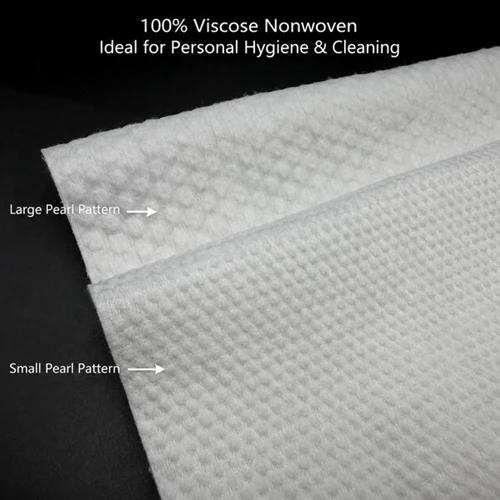
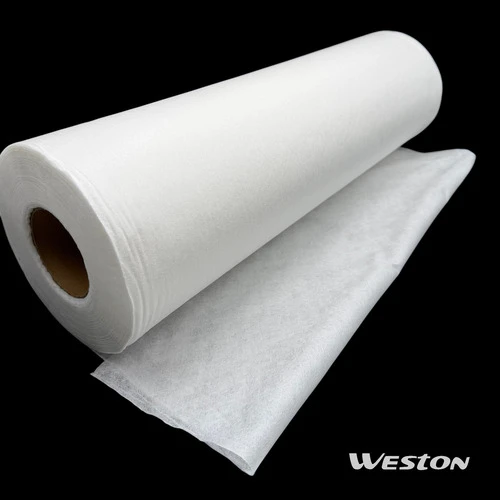
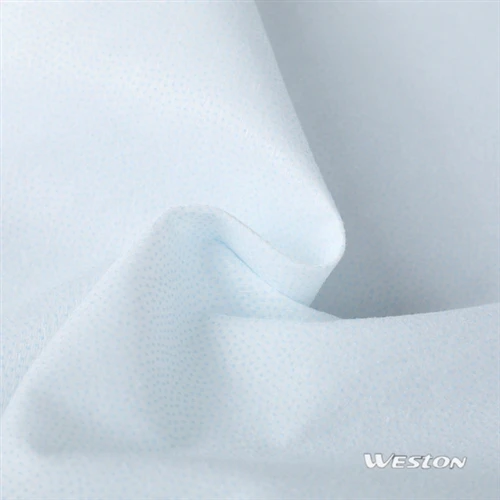
This explains why bamboo dishcloths feel soft and smooth rather than rough or woody. In some cases, advanced production methods-such as those used in Weston Nonwoven Bamboo Dish Cloths-combine bamboo-based fibers with nonwoven technology to create a more uniform and stable structure.
Cleaning performance in real use
A dishcloth is only as good as its ability to clean. This is where expectations should stay realistic.
What bamboo dishcloths do well:
Absorb water quickly and efficiently
Wipe smooth surfaces without scratching
Handle daily cleaning tasks with ease
Where they are limited:
Less effective on heavy grease
Minimal scrubbing power for stuck-on food
In practice, bamboo dishcloths are reliable for light, routine cleaning. They are not designed to replace more abrasive tools.
Hygiene: separating fact from assumption
Many bamboo products are described as antibacterial. This idea comes from the natural properties of the bamboo plant, but the final product is different.
Important points:
Natural bamboo contains antibacterial compounds
These are mostly lost during fiber processing
Cleanliness depends on washing and drying habits
Simple hygiene rules:
Rinse thoroughly after each use
Allow the cloth to dry fully
Wash frequently with hot water
No dishcloth stays hygienic without proper care. Bamboo does not change that basic rule.
Durability and lifespan
Durability is often overlooked, but it directly affects value. Bamboo dishcloths are soft, and softness can reduce long-term strength.
What to expect:
Fibers may weaken after repeated washing
Edges can wear with frequent use
Lifespan is moderate, not exceptional
Nonwoven production methods can improve this balance. For example, Weston Nonwoven Bamboo Dish Cloths use water-jet bonding to strengthen the fabric without making it stiff, which helps maintain both softness and usability.

Environmental impact: a balanced view
Bamboo is often seen as an eco-friendly material, but the full picture is more complex.
Balanced facts:
Bamboo grows quickly and uses fewer resources than many crops
Processing into viscose involves chemical treatment
Environmental impact depends on manufacturing standards
This is why the role of a responsible Bamboo Fabric Nonwoven Manufacturer matters. Production methods can influence how sustainable the final product really is.
Comfort and daily handling
One of the strongest advantages of bamboo dishcloths is how they feel in use.
User-focused benefits:
Soft texture, comfortable for repeated handling
Low lint, suitable for glass and smooth surfaces
Lightweight and easy to rinse
These qualities make them especially useful for households that value ease and comfort in daily cleaning.
Where bamboo dishcloths work best
Bamboo dishcloths are most effective when used for the right tasks rather than as an all-purpose solution.
Best suited for:
Wiping dishes and utensils
Cleaning countertops and tables
Managing light spills
Less suited for:
Scrubbing burnt or stuck food
Heavy grease removal
High-friction cleaning tasks
A practical way to look at it
Bamboo dishcloths are not a breakthrough product, but they are a well-balanced option. They combine softness, absorbency, and ease of use in a way that fits everyday kitchen routines.
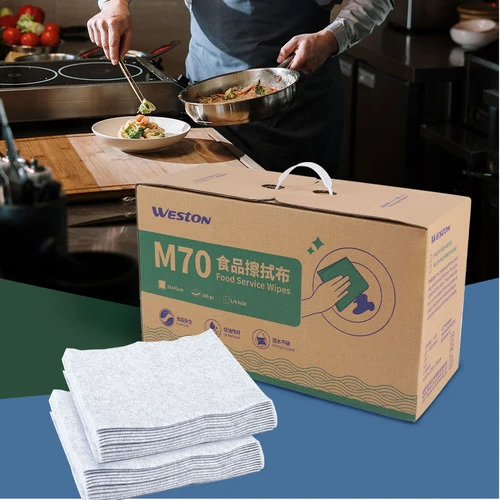
Their value depends less on marketing claims and more on material processing and manufacturing quality. Products developed by companies like Weston Nonwoven Bamboo Dish Cloths, supported by an experienced Bamboo Fabric Nonwoven Manufacturer, show how thoughtful production can improve real performance.
In daily use, bamboo dishcloths do their job well when expectations stay realistic. They are not the strongest or the most durable option, but they offer a comfortable and practical solution for routine cleaning.