What is a substitute for wet wipes?
Wet wipes are convenient. That's why people reach for them without thinking-bathroom, kitchen, quick cleanups. But convenience has a cost: clogged pipes, mounting waste, and sometimes a cleaning result that feels better than it actually is.
So the real question is not just what replaces wet wipes, but what works better in real life.
What problem are you actually trying to solve?
Before choosing a substitute, it helps to break down what wet wipes are doing:
Adding moisture
Lifting dirt or residue
Offering a quick, disposable solution
A good alternative doesn't need to copy wipes. It just needs to deliver cleanliness in a smarter way.
This shift in perspective is where most people find better options.
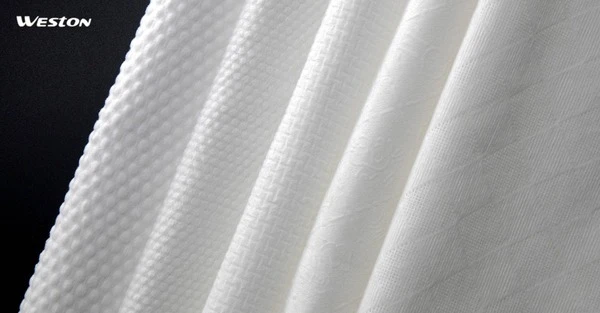
The most practical substitute: separate liquid and material
Instead of using a pre-made wipe, many households move to a simple system:
Cleaning liquid + wiping material
How it works
Apply a spray or solution
Let it sit briefly
Wipe with paper or cloth
Why it's more effective
Wet wipes often don't provide enough liquid to properly clean or disinfect. Many cleaning solutions require time and moisture to actually work.
This method gives you control:
More liquid when needed
Better coverage
Proper cleaning performance
It's not flashy, but it works-and that's the point.
Bathroom use: moisture matters, but materials matter more
One of the biggest drivers of wet wipe use is hygiene. People simply feel cleaner.
Better alternatives
Water-based cleaning (bidet-style or rinse methods)
Dampened toilet paper
Foam or spray applied to dry paper
Why these work
Toilet paper is designed to break down in water
Moisture improves cleaning without harming plumbing
The key insight here is simple:
It's not the wipe that makes the difference-it's the moisture.
Kitchen cleaning: rethink the "single-use mindset"
In the kitchen, wet wipes are often used for convenience and peace of mind, especially around raw food.
A more effective system
Use a cleaning spray
Wipe with reusable cloths
Rotate cloths daily
Wash in hot water
What people get wrong
Many assume reusable cloths spread bacteria. In reality:
Soap removes contaminants
Heat and drying reduce bacterial survival
Reusing unclean cloths is the real issue-not the concept itself
A well-managed cloth system is both clean and efficient.
Disposable alternatives: still simple, but more controlled
If reusable options don't fit your routine, a straightforward alternative is:
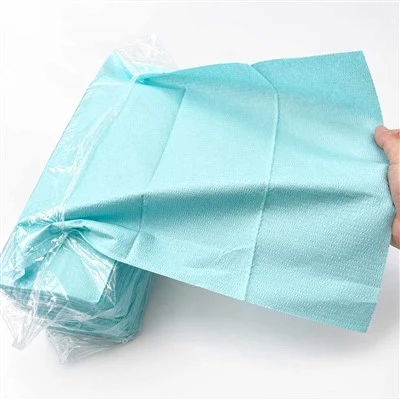
Cleaning liquid + paper towel
This approach keeps the use-and-discard habit, but improves:
Cost efficiency
Cleaning effectiveness
Waste control (less packaging, no synthetic fibers)
It's a practical middle ground.
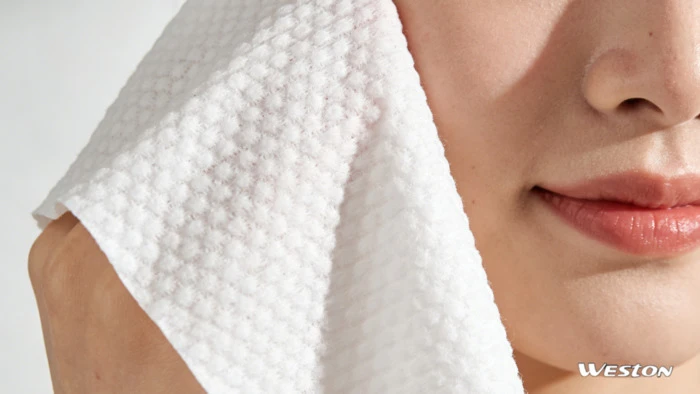
Hybrid approach: reusable wipes without the downsides
Some users prefer to keep the "wipe format" but improve the material.
How it works
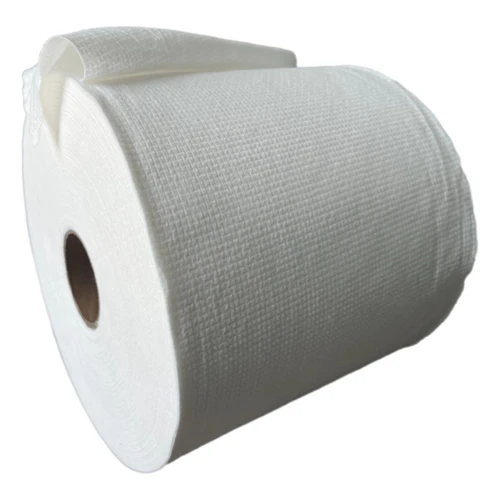
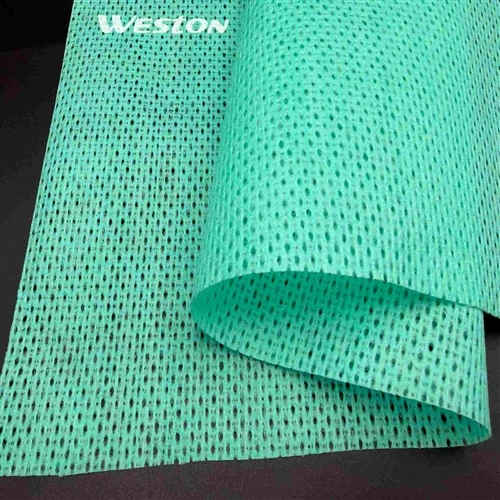
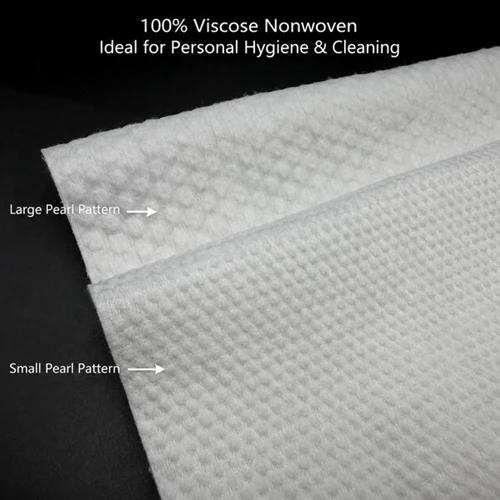
Use reusable nonwoven or fabric sheets
Apply cleaning solution as needed
Wash after use
This keeps convenience while reducing long-term waste and plumbing risk.
From a material science perspective, this is where innovation is happening-especially with engineered fibers designed to balance strength, absorbency, and dispersibility.
A note on flushable materials
Not all wipes are equal. Traditional wet wipes are designed to stay intact, which is exactly why they cause plumbing issues.
Emerging alternatives like Flushable Nonwoven Fabric For Wet Wipes aim to address this by:
Breaking down more easily in water
Maintaining usability during cleaning
Reducing long-term accumulation in pipes
For businesses sourcing materials, working with a wet wipes substitute manufacturer can provide more controlled, application-specific solutions rather than generic products.
Common mistakes to avoid
Even with better alternatives, a few habits can undo the benefits:
Flushing non-degradable wipes
Reusing damp cloths without proper cleaning
Skipping contact time for disinfectants
Over-cleaning without understanding actual risk
Cleanliness is not about intensity-it's about method.
Last Words: it's about systems, not products
Wet wipes became popular because they simplify decisions. One product, one action, done.
But that simplicity hides trade-offs.
When you step back, the better approach is clear:
Use moisture intentionally
Choose the right material for the job
Focus on cleaning effectiveness, not just convenience
Once you adopt this mindset, wet wipes stop being essential. They become just one option-often not the best one.