Fabric construction is a fundamental subject in textile science that shapes the physical characteristics, functionality, and sustainability of fabric products. A profound understanding of fabric construction not only benefits textile professionals but also enhances appreciation of everyday materials. Scientifically, fabrics result from complex structural arrangements of fibers and yarns, formed through diverse methodologies, each influencing properties such as durability, elasticity, breathability, and environmental impact.
The three primary methods of fabric construction are:
Woven Fabric Construction
Knitted Fabric Construction
Nonwoven Fabric Construction
These categories encompass multiple techniques and variations; however, they represent distinct approaches in assembling fibers into usable textiles.

Woven Fabric Construction
Woven fabrics are created by interlacing two perpendicular sets of yarns, commonly termed warp (longitudinal) and weft (transverse). This systematic interlacing offers dimensional stability, high tensile strength, and a firm hand feel, making woven textiles indispensable in applications requiring structural integrity and aesthetic versatility.
Scientific Perspective: The mechanical interlocking of yarns at right angles generates a grid-like structure, distributing stress evenly and resulting in reliable tear and abrasion resistance. Factors such as thread count, yarn type, and weave pattern (plain, twill, satin) dictate fabric density, texture, and resilience.
Advantages: Woven fabrics possess superior strength and form retention, excellent for apparel like trousers and shirts, home furnishings, and industrial materials. Their stable structure allows intricate patterning and robust finishes.
Limitations: Reduced elasticity compared to knitted fabrics renders them less ideal for stretch-dependent uses. The production process is more time-intensive and resource-demanding.
Knitted Fabric Construction
Contrasting woven structures, knitted fabrics emerge by interlooping one or more yarns in continuous loops, creating inherently elastic and pliable textiles. These loops endow knits with stretch, recovery, and softness frequently sought in performance wear and comfort clothing.
Scientific Insight: Knitting forms a network of interlinked loops wherein loop size, yarn tension, and stitch type (weft or warp knitting) affect extensibility, thermal insulation, and moisture management. The entangled structure enables fabric to deform and recover dynamically under stress.
Advantages: Exceptional comfort thanks to flexibility and stretch. Efficient for fit-oriented garments like t-shirts, underwear, and sportswear. Knitted goods often have better breathability and adaptability.
Trade-offs: Typically lower mechanical strength and dimensional stability compared to woven fabrics, limiting their use in heavy-duty scenarios.
Nonwoven Fabric Construction
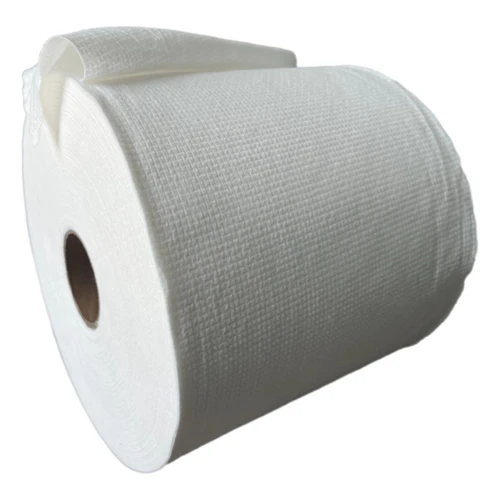
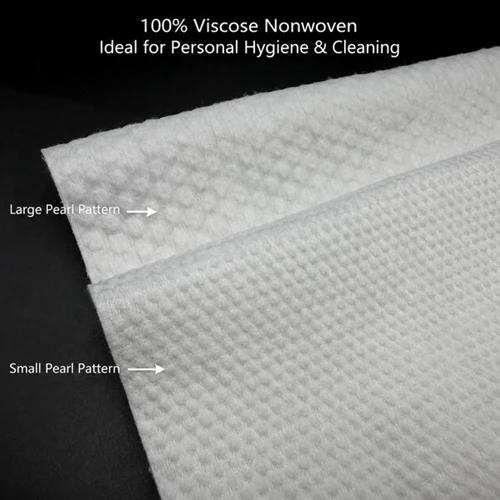
Nonwoven fabrics represent a divergent paradigm in textile engineering by forgoing yarn formation and conventional interlacing or looping. Instead, short fibers or continuous filaments are bonded directly into fabric webs by mechanical (e.g., spunlace), chemical, or thermal methods. This approach enables rapid production of versatile, low-cost, and high-performance materials.
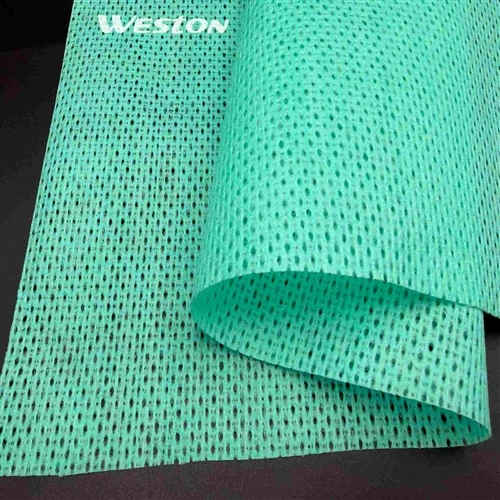
Scientific Explanation: The bonding mechanisms vary but aim to entangle or fuse fibers to form a coherent sheet. For instance, hydroentanglement uses high-pressure water jets to intermix fibers, producing soft yet strong textiles such as Abrasive Polyester Pulp PP Spunlace Nonwoven. This method allows control over fiber orientation, density, and porosity, affecting absorbency, filtration efficiency, and texture.
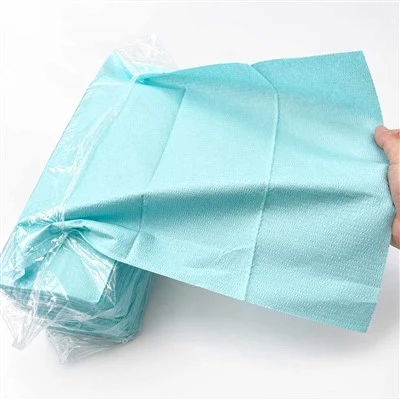
Pros: Quick to manufacture; customizable for applications ranging from hygiene (wet wipes) to industrial filtration and packaging. Nonwovens like Tattoo Cleaning Wipes Nonwoven Fabric and Biodegradable Kitchen Paper Towel exemplify innovative adaptation of these materials.
Cons: Often less durable than woven options for load-bearing purposes; perception in some markets as 'disposable' or 'less premium,' although technological advances are rapidly closing this gap.

Interdisciplinary Considerations
Analyzing fabric construction through the scientific lenses of material science, mechanical engineering, and environmental sustainability brings deeper insights:
Material Composition and Fiber Types: Natural versus synthetic fibers influence fabric behavior-absorbency, biodegradability, thermal regulation-and interact distinctly under weaving, knitting, or nonwoven processes.
Mechanical Properties: Tensile strength, elasticity, and abrasion resistance derive fundamentally from the geometry of yarn interconnections or fiber bonding. These factors govern lifespan, maintenance, and end-use suitability.
Environmental Impact and Sustainability: Nonwoven construction often reduces water and energy use compared to weaving or knitting, supporting circular economy efforts. Products like Pre-Moistened Wipes for Patient Bedside Cleaning showcase ecological advances in nonwoven applications.
Technological Innovation: Developments in bonding techniques, fiber modification (e.g., bamboo charcoal infusion), and multilayer composites are expanding fabric functionalities beyond traditional roles.
Visual Comparison Chart of Fabric Construction Types
|
Fabric Type |
Basic Construction |
Mechanical Properties |
Typical Applications |
Environmental Impact |
|
Woven |
Interlaced perpendicular yarns |
High strength, low elasticity |
Apparel, upholstery, industrial fabric |
High energy, water use |
|
Knitted |
Interlooped yarns |
High elasticity, soft |
Sportswear, casual wear, socks |
Moderate resource consumption |
|
Nonwoven |
Bonded fibers, no yarn |
Variable strength, customizable |
Hygiene products, filters, packaging |
Lower resource use, recyclable options |
Strategic Use of Weston Nonwoven Products
Weston Nonwoven specializes in cutting-edge nonwoven fabric solutions that highlight the advantages of nonwoven technology while addressing ecological and performance demands. Our portfolio includes innovative spunlace-based materials such as Tattoo Cleaning Wipes Nonwoven Fabric, engineered for gentle yet effective cleansing; tough yet flexible Abrasive Polyester Pulp PP Spunlace Nonwoven, optimized for industrial durability; eco-responsible Biodegradable Kitchen Paper Towels catering to sustainable kitchens; and convenient Pre-Moistened Wipes for Patient Bedside Cleaning that combine hygiene with softness.
For professionals interested in leveraging advanced fabric constructions in their operations, Weston offers free sampling and responsive technical support at info@westonmanufacturing.com.