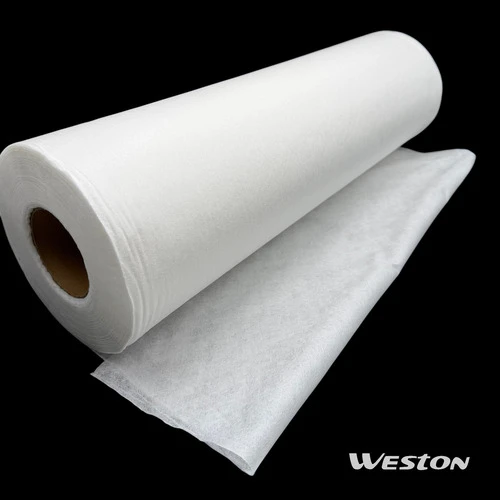
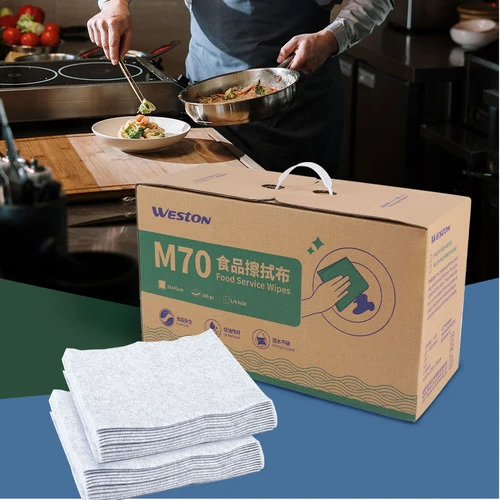
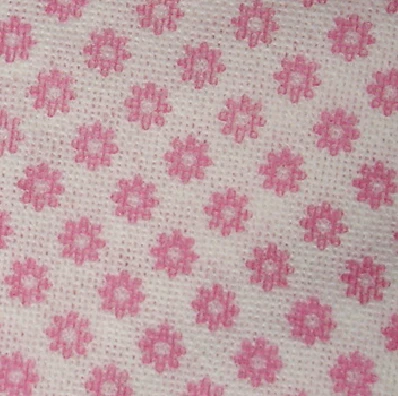
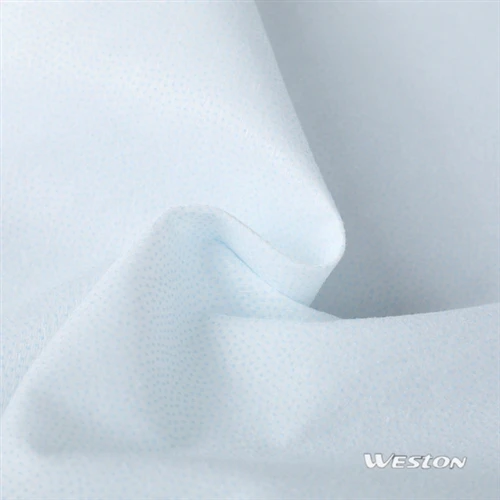
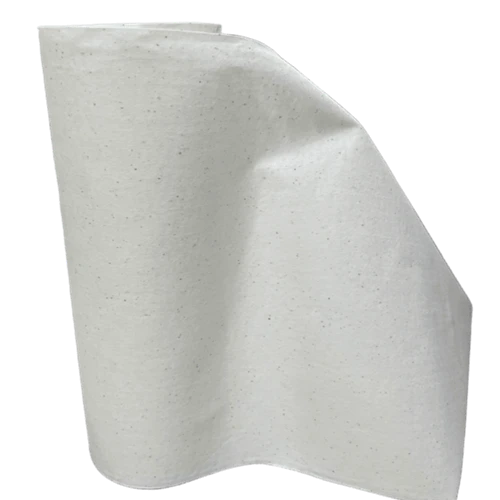
Non-woven fabrics have become integral to disposable products across industries, from healthcare and hygiene to cleaning and packaging. Their unique structure and manufacture offer a range of benefits that woven fabrics or traditional textiles often cannot match, especially for single-use applications. This article explores the scientific, practical, and environmental reasons behind the widespread preference for non-wovens in disposables, offering a comprehensive, in-depth perspective.
The Science Behind Non-Woven Fabric
Unlike woven or knitted textiles made by interlacing yarns, non-woven fabrics are created by bonding fibers mechanically, thermally, or chemically into a web structure. This fundamental difference in construction yields a fabric that is lightweight, highly customizable, and capable of optimized performance across dimensions such as absorbency, softness, and strength.
Manufacturing processes such as spunbonding, meltblowing, and hydroentanglement (spunlace) allow production of fabrics tailored explicitly for disposability-fast to produce, cost-efficient, and functionally precise. For example, non woven spunlace fabric manufacturer techniques utilize high-pressure water jets to entangle fibers into robust, soft cloths ideal for wet wipes and medical disposables.

Advantages of Non-Woven Fabrics for Disposable Products
1. Customizable Performance Characteristics
Non-wovens can be engineered to fulfill exact specifications unattainable in woven counterparts.
Fiber choice (e.g., polyester, polypropylene, viscose) and bonding method alter absorbency, softness, and tensile strength.
Embossing and surface treatments boost mechanical soil removal and liquid retention.
2. Cost-Effective Production
Non-woven production is often faster and requires fewer processing steps, translating to scalable manufacturing without compromising quality. This is critical for products like Disposable Medical Nursing Pads that must meet stringent hygiene standards and high volume demands.
3. Enhanced Hygiene and Safety
Single-use non-wovens reduce cross-contamination by preventing reuse of potential pathogen reservoirs. Their fibers can incorporate antimicrobial finishes, crucial in healthcare and food service disposables.
4. Superior Absorbency and Fluid Management
Non-woven webs offer higher porosity and capillary action, essential for products needing rapid fluid uptake and retention, such as diapers or Refreshing Cooling Wet Wipes used in personal care.
5. Lightweight and Softness
Non-wovens provide a gentle touch ideal for skin-contact items like tissues, hygienic wipes, and surgical gowns, with enhanced comfort compared to many woven or knitted alternatives. Hypoallergenic Cotton Nonwoven Tissue Material exemplifies this combination of softness with safety.
6. Versatility of Use
The adaptability of non-wovens extends to various disposable products, including Lightweight Disposable Shoe Covers for contamination control and Disposable Curtain for Hospital applications, where barrier properties and disposability are paramount.
Challenges and Limitations of Non-Wovens
Despite their advantages, non-wovens face challenges:
Environmental Impact: Typically manufactured from synthetic polymers, many non-wovens contribute to landfill waste when not biodegradable. However, ongoing research into bio-based fibers and compostable binders is promising.
Lower Durability: Designed for limited single-use, demanding applications may test mechanical limits or require costly multilayer constructions.
Perceived Quality: Consumers may associate disposability with lower quality, requiring manufacturers to emphasize performance superiority.
Comparative Perspective: Non-Woven Versus Woven for Disposables
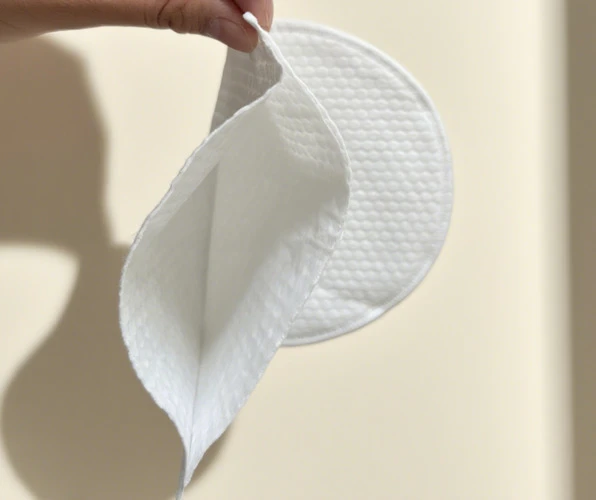
While woven fabrics excel in durability and aesthetics suitable for long-term use, their complex manufacturing renders them less ideal for rapid disposable product turnover. Non-wovens fill this niche by delivering highly functional, low-cost solutions tailored for disposable hygiene, medical, and cleaning products.
This explains why Weston Manufacturing's specialization in non woven spunlace fabric manufacturing has yielded a diversified portfolio of disposable items that combine technical strength with comfort, safety, and environmental foresight.
Case Examples of Non-Woven Disposables from Weston Manufacturing
Weston's range highlights innovative applications of non-wovens in disposables:
Stubborn Stain Scrubbing Mop Cloths leverage spunlace technology for both softness and abrasive cleaning strength in single-use formats.
Diaper Core Raw Material Nonwoven Fabric excels in liquid management and skin protection.
Hydrating Cooling Wet Towelettes demonstrate precise moisture control and soothing skincare properties.
Hypoallergenic Cotton Nonwoven Tissue Material ensures safety and softness for sensitive skin uses.
These products illustrate Weston's command of non-woven engineering to meet diverse disposable usability and hygiene demands.
Looking Ahead: Sustainable Innovations in Non-Wovens
The future of disposable non-wovens lies in balancing performance with sustainability. Integration of biodegradable fibers, recycling strategies, and energy-efficient production methods will shape next-generation materials.
People Also Ask
Q1: Why are non-woven fabrics preferred over woven fabrics for disposables?
A1: Non-wovens offer customizable absorbency, softness, high-volume cost-effectiveness, and hygiene advantages that woven fabrics generally cannot match for single-use items.
Q2: Are non-woven disposables environmentally friendly?
A2: Traditional synthetic non-wovens pose disposal challenges, but bio-based fibers and compostable materials are reducing environmental impacts.
Q3: What industries rely most heavily on non-woven disposable fabrics?
A3: Healthcare, personal hygiene, cleaning, and food service sectors predominantly use non-wovens for disposable gowns, wipes, diapers, and protective covers.
Q4: How does Weston Manufacturing innovate in non-woven disposables?
A4: Weston leverages advanced spunlace technologies to produce Disposable Medical Nursing Pads, Lightweight Disposable Shoe Covers, and Disposable Curtain for Hospital among other high-performance products.
Q5: What non-woven properties are essential for personal care disposables?
A5: Softness, hypoallergenic features, high absorbency, and skin safety are key properties featured in products like Hypoallergenic Cotton Nonwoven Tissue Material.
For free samples and detailed specification inquiries, contact info@westonmanufacturing.com.