What Is Viscose Polyester Fabric?
Walk into any fabric market or browse a clothing label, and you will often see a familiar blend: viscose and polyester. It sounds technical, but the idea behind it is simple. This fabric exists to solve a practical problem-how to combine comfort with durability in a way that works for everyday use.
Understanding the Two Fibers First
Before looking at the blend, it helps to understand the two components on their own.
Viscose: Soft but Processed
Viscose is made from wood pulp, usually derived from trees like eucalyptus or bamboo. While its source is natural, the production process involves chemical treatment, so it is often called a "semi-synthetic" fiber.
Key facts about viscose:
Soft and smooth, often compared to cotton or silk
Breathable and comfortable against the skin
Absorbs moisture well
Can lose strength when wet
Viscose is valued for comfort, but on its own, it is not very durable.

Polyester: Strong and Stable
Polyester is a fully synthetic fiber made from petroleum-based materials. It was developed to improve strength, consistency, and resistance to wear.
Key facts about polyester:
High strength and durability
Wrinkle-resistant and shape-retaining
Low moisture absorption
Easy to care for
Polyester performs well in daily use, but it can feel less breathable and less natural.
Why Blend Viscose and Polyester?
Blending these two fibers is not random. It is a deliberate balance.
- Viscose adds softness and breathability
- Polyester adds strength and stability
The result is a fabric that performs better in real-life conditions than either fiber alone.
Common blend ratios such as 65/35 or 50/50 are used to adjust performance. More viscose increases comfort, while more polyester improves durability.
Core Properties of Viscose Polyester Fabric
1. Balanced Comfort and Strength
This blend feels softer than pure polyester but holds up better than pure viscose. It is often used where both comfort and lifespan matter.
2. Moderate Breathability
Viscose improves airflow and moisture absorption, but the polyester component limits full breathability. It sits between natural and synthetic fabrics.
3. Better Wrinkle Resistance
Compared to viscose alone, this fabric wrinkles less and recovers its shape more easily. This makes it practical for daily wear and repeated washing.
4. Stable Appearance
The fabric maintains its structure over time. It can be engineered to look matte, slightly glossy, or textured depending on processing.
Where Is It Commonly Used?
Viscose polyester fabric is widely applied because of its versatility.
Typical applications include:
Clothing: shirts, dresses, linings
Workwear: uniforms that need durability and comfort
Home textiles: curtains, upholstery
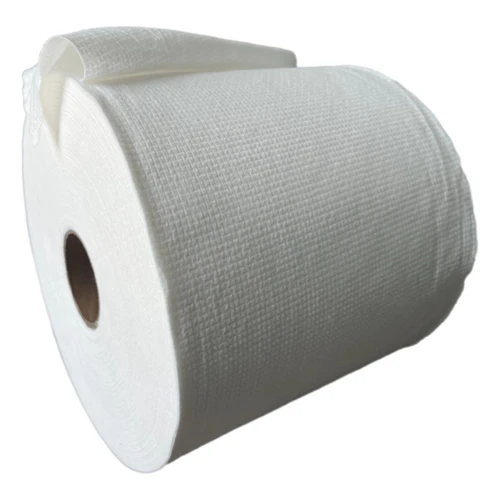
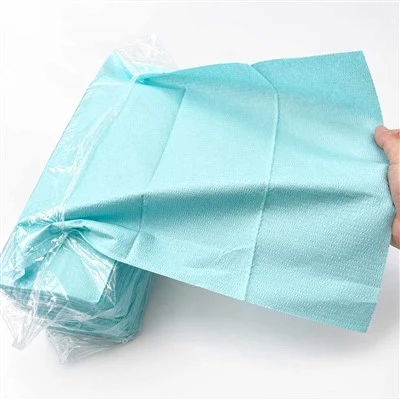
Nonwoven materials: wipes, medical fabrics, and industrial uses
Its adaptability makes it suitable for both woven fabrics and advanced nonwoven production.

Advantages at a Glance
Combines softness with durability
More affordable than many pure natural fabrics
Easier to maintain than viscose alone
Flexible for different textures and finishes
Limitations to Be Aware Of
Not as breathable as 100% natural fibers
Can feel warm in hot and humid climates
Quality depends heavily on blend ratio and processing
Environmental concerns from both chemical processing and synthetic inputs
This is not a perfect fabric, but a practical compromise.
A Closer Look at Nonwoven Applications
In recent years, viscose polyester blends have become especially important in nonwoven materials, where fiber performance directly affects product function.
For example:
High viscose content improves absorbency in wipes
Polyester improves tensile strength and structural integrity
Custom blending allows precise control over softness, thickness, and durability
This is where manufacturing capability plays a key role. A reliable viscose polyester fabric manufacturer can adjust fiber ratios, weights, and processing methods to meet specific product needs.
Practical Innovations in the Market
Some modern variations show how this blend continues to evolve.
Eco-dyed Viscose Polyester focuses on reducing dyeing impact while maintaining color consistency
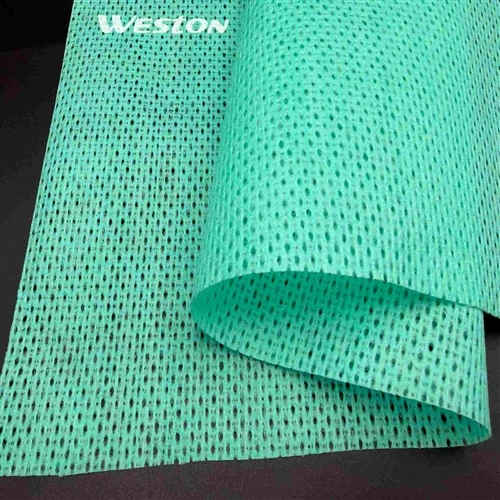
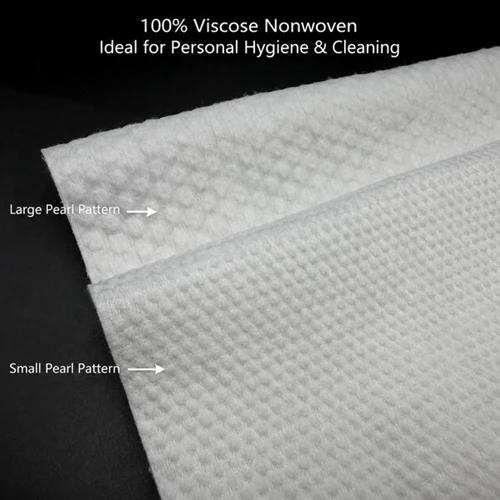
Bubble Pattern Viscose Polyester Nonwoven introduces texture for better cleaning performance and tactile feel
These are not marketing ideas alone-they reflect real adjustments in fiber engineering and finishing processes.
Manufacturers like Weston Nonwoven have expanded these applications by offering flexible production options. Weston provides viscose polyester blends in different materials, weights, and ratios, available in jumbo rolls or finished products with OEM and ODM customization.
How to Make a Practical Choice
When choosing viscose polyester fabric, the decision should be based on use, not assumptions.
- Choose higher viscose content for softness and absorbency
- Choose higher polyester content for strength and longevity
- Check fabric weight (GSM) for thickness and performance
- Consider end use: clothing, wipes, or industrial material
In most cases, this fabric works well because it solves everyday problems without overpromising.
A Grounded Perspective
Viscose polyester fabric is not designed to replace natural fibers or high-performance synthetics. It sits in between, offering a workable balance that meets the needs of large-scale, practical use.
Its value lies in adaptability. With the right blend and proper manufacturing, it can be tuned for comfort, durability, or functionality-depending on what the application demands.