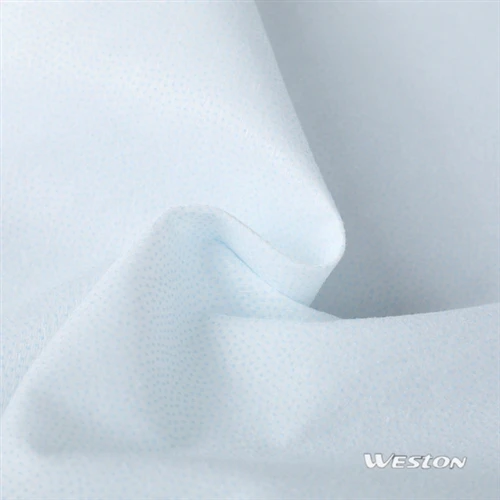
Choosing the right disposable nonwoven fabric starts with one simple question: What does the final product need to do? The best material is not always the thickest, softest, or strongest option. Fiber composition, GSM, absorbency, wet strength, lint control, surface texture, and converting requirements all affect how a disposable nonwoven fabric performs. By matching these properties to the end use, buyers can choose a material that works reliably without adding unnecessary material cost.

What Is Disposable Nonwoven Fabric?
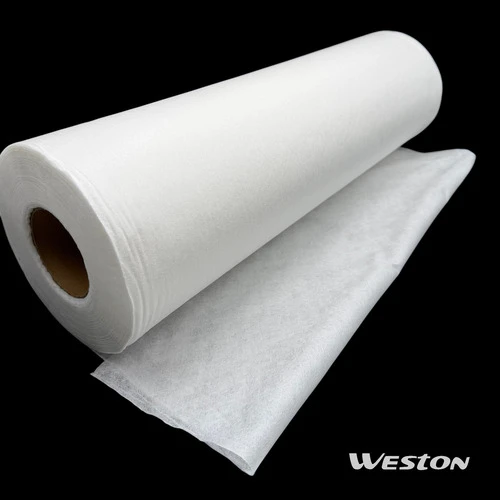
Disposable nonwoven fabric is a textile material made by bonding or entangling fibers without weaving them into conventional yarn-based fabric. It is widely used for products designed for single use, including wipes, towels, medical disposables, personal care products, and cleaning materials.
Among the different nonwoven technologies, spunlace is particularly common for disposable wipes because high-pressure water jets entangle the fibers into a flexible sheet. This process can create a fabric that combines softness, absorbency, strength, and a comfortable surface.
Why Is Spunlace Suitable for Disposable Products?
Spunlace fabric can be produced from different fiber combinations, allowing manufacturers to adjust its performance for specific applications.
Common characteristics include:
Good liquid absorption
Soft and flexible surface
Useful wet and dry strength
Low-lint options
Various GSM choices
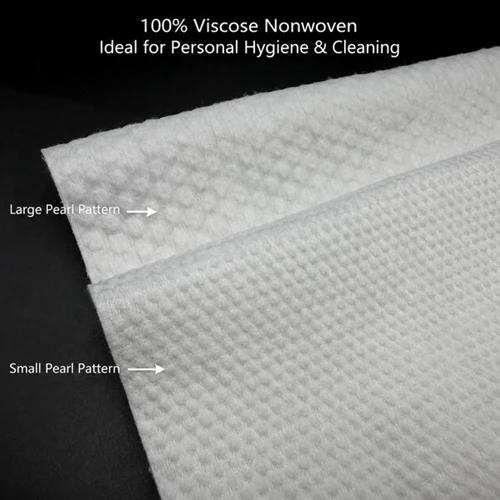
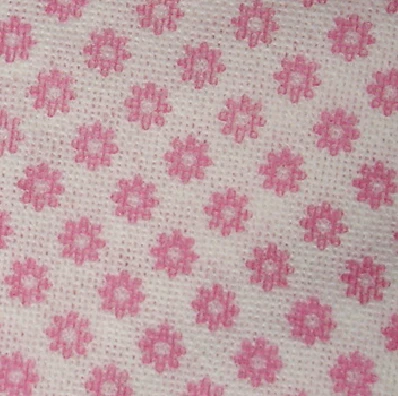
Different embossing patterns and surface textures
This flexibility makes spunlace suitable for both everyday cleaning products and more specialized applications.
6 Factors to Consider When Choosing Disposable Nonwoven Fabric
1. Fiber Composition
Fiber selection is one of the first things to consider.
Wood pulp is commonly used when high absorbency is important, while polyester can contribute strength and dimensional stability. Viscose offers softness and absorbency, while bamboo-based fibers are often selected for personal care applications.
Blended fibers can combine several properties in one fabric. For example, a wood pulp and polyester blend may provide a practical balance between absorbency and strength.
2. GSM and Thickness
GSM means grams per square meter and indicates the weight of the fabric.
A higher GSM generally means more material per square meter, but it does not automatically mean better performance. A lightweight fabric may be sufficient for a simple cleaning wipe, while a heavier structure may be more appropriate for demanding industrial cleaning.
How Much GSM Do You Need?
Instead of choosing GSM based only on thickness, consider:
- How much liquid the product must absorb
- How much pressure it will withstand
- Whether it will be used wet or dry
- How long it needs to remain intact
- How the material will be converted
The goal is to find the lowest practical GSM that still delivers the required performance.
3. Absorbency
Absorbency is particularly important for wipes and towels.
Different fibers absorb and retain liquids differently. The fabric structure also affects how quickly liquid enters the material and how well it remains inside.
For water-based cleaning, oil wiping, or personal care applications, the required absorbency can be quite different. Therefore, it is better to test the actual fabric with the intended liquid rather than judging absorbency by appearance alone.
4. Wet and Dry Strength
A disposable wipe can be strong when dry but become significantly weaker after saturation.
If a wipe needs to be wrung, stretched, rubbed, or pulled across a surface, wet tensile strength becomes especially important.
Industrial wipes, for example, may need enough strength to remove oil and dirt from machinery without tearing during use. In contrast, a facial or personal care wipe may place greater emphasis on softness and skin comfort.
5. Lint and Fiber Shedding
Lint performance matters whenever a wipe is used on surfaces where loose fibers are undesirable.
For general household cleaning, a small amount of lint may not be a major concern. However, electronics, optical components, precision equipment, and controlled environments may require much better fiber-shedding control.
A fabric that looks smooth is not necessarily low-lint, so actual testing is important when lint control is a key requirement.
6. Surface Texture and Embossing
Embossing is not simply a decorative feature. The surface pattern can influence liquid retention, contact with the cleaning surface, friction, and overall handling.
Different patterns can therefore be selected for different applications. A textured wipe may provide more mechanical cleaning action, while a smoother surface may be preferable for delicate surfaces or skin contact.

How Does the Application Affect Your Choice?
The same nonwoven fabric specification cannot perform equally well in every application.
Household and Personal Care
Personal care products usually prioritize softness, absorbency, and skin feel. For example, Private Label Baby Wipes may require a soft and comfortable fabric with suitable liquid retention.
Industrial Cleaning
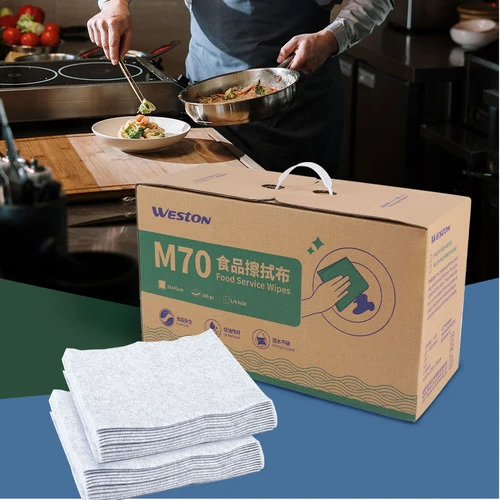
Industrial applications generally place more emphasis on strength, absorbency, durability, and lint control. Heavy-Duty Shop Wipes may need to remain intact while removing oil, grease, and other contaminants from tools and machinery.
Healthcare and Hygiene
Disposable hygiene products require careful consideration of softness, absorbency, strength, and intended contact conditions. For products such as Disposable Rinse-Free Bathing Wipes Gloves, the fabric must also work effectively with the product's liquid formulation while remaining comfortable during use.
Spunlace vs. Other Nonwoven Materials
Different nonwoven manufacturing technologies serve different purposes.
Spunbond fabrics are commonly valued for strength and structural stability, while meltblown materials are known for their fine fiber structure and filtration applications.
Spunlace is often preferred for wipes because its hydroentangled fiber structure provides a useful combination of softness, absorbency, flexibility, and strength.
Therefore, the right question is not which nonwoven technology is universally "better," but which structure matches the intended product.
What Should You Ask a Nonwoven Fabric Supplier?
Before placing an order, buyers should confirm more than just the fabric price.
Ask About the Material
Confirm:
Fiber composition
GSM range
Fabric thickness
Absorbency
Wet and dry strength
Lint performance
Ask About Customization
Depending on the product, you may also need:
- Custom fabric width
- Embossing patterns
- Perforation
- Slitting
- Jumbo rolls
- Custom packaging
- OEM or private-label production
Working directly with a spunlace manufacturer can also make it easier to adjust the material specification when standard fabric does not fully meet the application's requirements.
A Simple Way to Choose
A practical selection process can be reduced to five steps:
1. Define the end use → 2. Select the fiber composition → 3. Determine the required GSM → 4. Check absorbency, strength, and lint → 5. Test the fabric in the actual application.
This approach is more reliable than choosing fabric based only on appearance or thickness.
Final Thoughts
Choosing disposable nonwoven fabric is essentially a process of matching material properties to product requirements. Fiber composition determines much of the fabric's basic behavior, while GSM, structure, embossing, absorbency, strength, and lint performance fine-tune how it works in practice.
For buyers sourcing spunlace nonwoven fabric, manufacturers such as Weston Nonwoven can provide different fiber combinations, weights, widths, surface patterns, and customized specifications. However, the most important step remains the same: start with the application, define the required performance, and then select the fabric specification that meets those needs.