How to Stop Tear Stains on Dogs Naturally?
Tear stains are common, especially in small or light-colored dogs. They look like a surface problem, but they rarely start there. In most cases, tear stains are a sign that something is slightly off-too much tearing, trapped moisture, or an imbalance on the skin.
Natural care can help. But it only works when the approach is simple, consistent, and focused on causes rather than quick fixes.
Understand what tear stains really are
Tear stains form when tears overflow and stay on the fur. Over time, moisture mixes with air, bacteria, and natural pigments. This leads to dark marks under the eyes.
Key facts about tear stains
They are caused by excess tears, not dirt
Moisture allows bacteria and yeast to grow
Iron compounds in tears can darken fur over time
Light-colored dogs show stains more clearly, but all dogs can be affected
The goal is not to "erase" stains instantly. The goal is to reduce tearing and keep the area clean and dry.

Check the eyes before anything else
Before trying natural methods, observe your dog carefully.
Signs that need attention
Redness or swelling
Thick or colored discharge
Frequent pawing at the eyes
Sensitivity to light
If these appear, cleaning alone will not solve the problem. A basic health check is the first step. Natural care works best when the eyes are otherwise healthy.
Clean daily, but keep it gentle
Cleaning is necessary, but more is not always better. Harsh wiping can irritate the skin and make tearing worse.
Practical cleaning method
Use a soft, lint-free pad
Moisten with warm water or saline
Wipe from inner corner outward
Pat dry after cleaning
Consistency matters more than intensity. A simple routine done every day works better than occasional deep cleaning.
Products like Tear Stain Remover Wipes can help simplify this step, especially when they are made from soft, low-lint materials. The key is choosing wipes that do not leave fibers behind or irritate the skin.
Control moisture, not just stains
Moisture is the main driver behind staining. If the area stays wet, stains will return quickly.
Ways to keep the area dry
- Gently dry after each cleaning
- Trim long hair around the eyes
- Check the area after drinking water
- Avoid thick, absorbent fur staying damp
Think of it as basic skin care. Clean. Then dry. Then maintain.
Improve water quality
This step is often ignored, but it can make a real difference.
Why water matters
Tap water may contain minerals
Some dogs react to these minerals
This can increase tear production over time
Simple adjustment
Switch to filtered or purified water
Keep bowls clean and rinse daily
It is a low-cost change. Results are usually gradual, but noticeable.
Adjust the diet from the inside
Diet affects tear quality. Poor digestion or low-quality ingredients can lead to more tearing.
Diet-related factors
Artificial colors or preservatives
Low-grade protein sources
Food sensitivities
Practical improvements
Choose simple, high-quality ingredients
Test one protein source at a time if needed
Avoid frequent diet changes
Tear stains often reflect what is happening internally. Cleaning alone cannot fix that.

Support a balanced skin environment
The skin under the eyes has its own natural balance. When this balance is disturbed, staining becomes worse.
What helps restore balance
Gentle cleaning, not over-cleaning
Keeping the area dry
Avoiding strong chemical products
Supporting gut health when needed
Probiotics may help some dogs, but they should be used carefully and with guidance.
Breed and structure also matter
Some dogs are simply more prone to tear stains.
Common factors
Short noses (flat-faced breeds)
Shallow eye sockets
Blocked or narrow tear ducts
These cannot be changed. Management becomes the focus.
What works in these cases
More frequent gentle cleaning
Consistent drying
Keeping fur short around the eyes
Routine becomes more important than products.
Choose the right material for cleaning
Not all wipes or pads are equal. Rough materials can irritate the skin. Lint can make the problem worse.
This is where material choice matters.
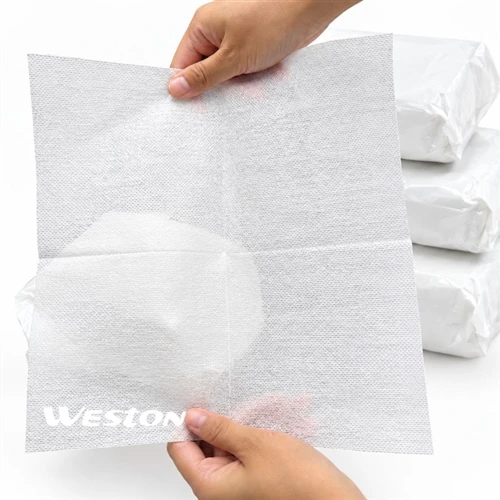
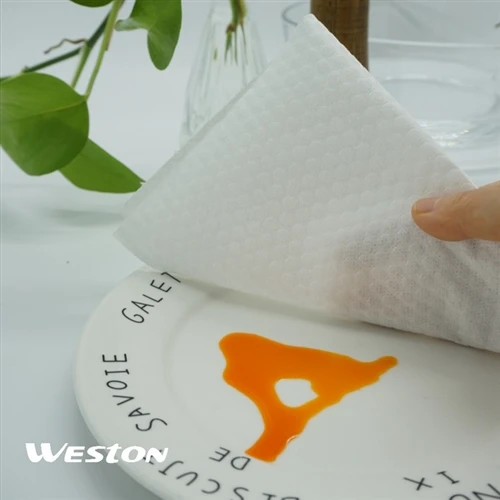
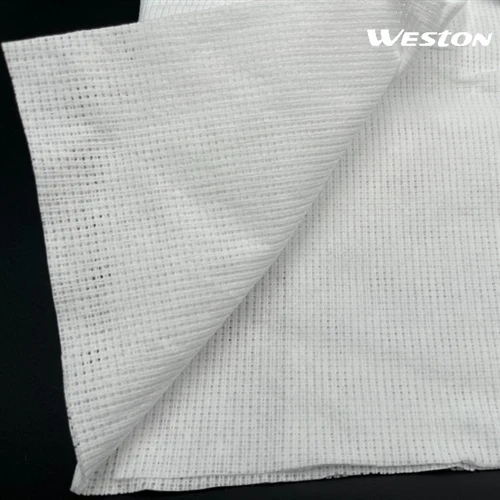
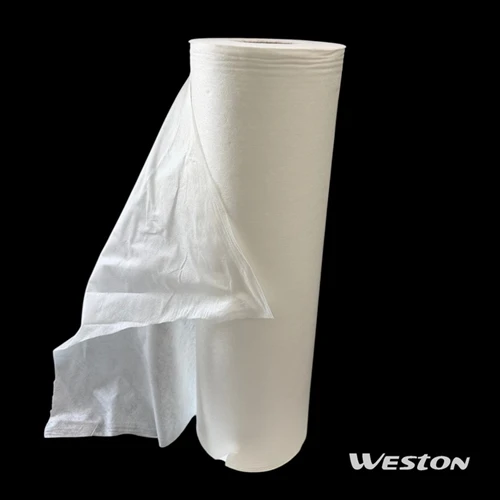
As a Pet grooming Wipes supplier, Weston Nonwoven produces spunlace nonwoven fabrics designed for skin contact. These materials are soft, low-lint, and stable when wet.
They also offer different materials and weights for facial cleansing pads, which can be useful for sensitive areas like around a dog's eyes. The goal is simple: clean without causing friction or residue.
This is not about using more products. It is about using the right texture.
Build a routine that works in real life
A natural approach only works if it is easy to follow.
Simple daily routine
- Morning: quick wipe and dry
- After meals or drinking: check and dry if needed
- Evening: gentle clean and dry
- Weekly: trim hair around the eyes
No complicated steps. No harsh treatments. Just steady care.
What to expect over time
Natural methods do not give instant results. That is normal.
Realistic expectations
First signs of improvement: 1–2 weeks
Visible reduction: around 3–4 weeks
Long-term control: depends on consistency
If results are slow, review the basics:
- Is the area staying dry?
- Is the diet stable?
- Is cleaning gentle and regular?
Small details often make the biggest difference.
Tear stains are manageable. Not by force, but by routine. Clean gently. Keep the area dry. Support the dog from the inside. Over time, the stains fade, and the skin stays healthier.