What Are the Healthiest Face Masks?
Face masks are one of the most common products in modern skincare routines. They promise hydration, cleansing, brightening, and many other benefits. However, the healthiest face masks are not necessarily the most expensive or the most heavily marketed. In reality, a healthy mask is defined by simple factors: skin compatibility, safe materials, balanced formulas, and responsible manufacturing.
Understanding these basics helps consumers make better skincare decisions and avoid products that may irritate the skin or provide little real benefit.
What Does "Healthy" Mean in a Face Mask?
In skincare, "healthy" does not mean dramatic results. Healthy products support the skin's natural functions rather than forcing rapid change.
A healthy face mask usually has several core characteristics:
Basic Standards of a Skin-Friendly Mask
Gentle material structure that does not scratch or irritate the skin
Good breathability to maintain normal moisture exchange
High purity fibers with minimal chemical residue
Balanced hydration delivery rather than excessive occlusion
Safe single-use hygiene or washable stability
These qualities may sound simple, but they determine whether a mask feels comfortable or stressful on the skin.
When people experience redness or itching after a mask treatment, the cause is often not the serum itself but the mask substrate touching the skin.

Why Mask Material Matters More Than Many People Think
Consumers often focus heavily on skincare ingredients. Yet the material that holds the serum plays a critical role in performance.
A mask material affects three key factors:
Serum absorption and release
Skin contact comfort
Breathability and moisture balance
If the substrate cannot hold liquid properly, the serum will evaporate quickly or drip away. If the fibers are rough, they may cause friction on sensitive facial skin.
Modern sheet masks are typically made from nonwoven fabrics because they combine softness, strength, and liquid absorption.
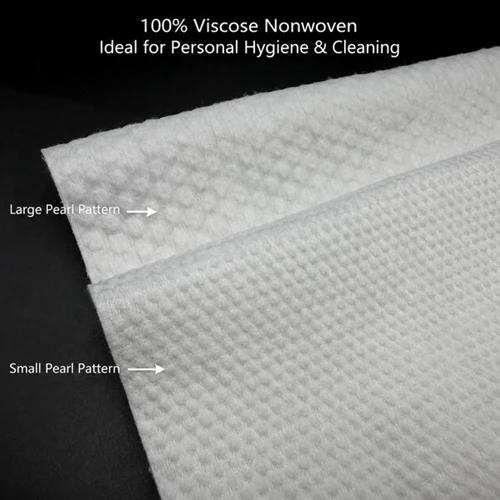
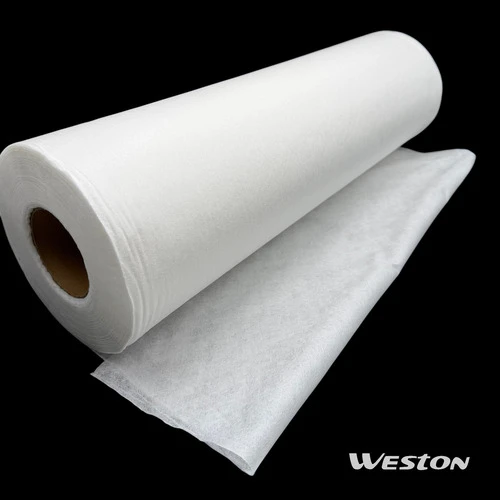
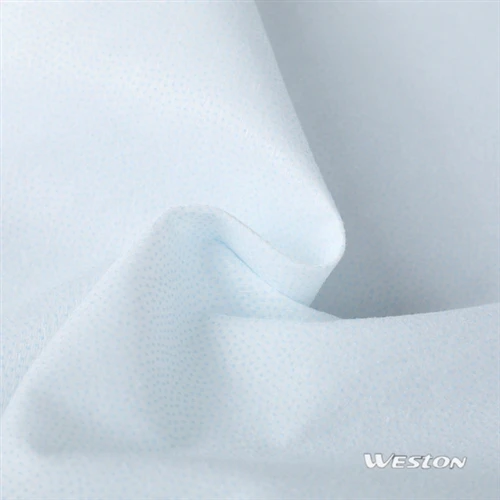
Hydroentangled nonwoven fabrics-commonly known as spunlace-are widely used because they are produced without chemical binders. High-pressure water jets entangle fibers into a smooth and flexible fabric structure.
This process creates a material that is soft enough for delicate skin while remaining strong when wet.
Common Materials Used in Healthy Face Masks
Different fibers bring different functional benefits. Some materials are particularly suitable for skincare masks.
Natural Plant Fibers
Natural fibers remain one of the safest choices for sensitive skin.
Examples include:
Cotton fiber
Bamboo fiber
Wood pulp derived fibers
Lyocell (a regenerated cellulose fiber)
These materials share several advantages:
High breathability
Strong moisture absorption
Naturally soft fiber surfaces
Many modern skincare brands are now using 100% Natural Plant Fiber Masks because they provide a clean and simple material profile. When processed properly, plant fibers can create masks that feel lightweight and comfortable while delivering skincare ingredients evenly.
Lyocell Fiber Masks
Lyocell is a regenerated cellulose fiber produced from wood pulp. It has gained attention in skincare for its smooth fiber surface and moisture management.
Key properties of lyocell mask substrates
Extremely smooth fibers that reduce skin friction
Excellent liquid absorption capacity
Good structural strength even when fully soaked
These qualities make lyocell masks particularly suitable for hydration treatments and essence delivery.
Hydroentangled (Spunlace) Nonwoven Fabrics
Spunlace materials are widely used in professional mask manufacturing.
Their structure is created through high-pressure water entanglement rather than chemical bonding.
This results in several practical benefits:
Functional advantages of spunlace mask materials
Lint-free surface suitable for facial contact
Uniform liquid distribution
Flexible structure that adapts to facial contours
Strong wet strength during use
Many skincare brands choose spunlace substrates because they offer a reliable balance between softness and durability.
Manufacturers such as Weston Nonwoven specialize in producing these materials at industrial scale for cosmetic brands and contract mask producers.

The Importance of Breathability in Face Masks
Skin is a living organ that constantly exchanges moisture and heat with the surrounding environment.
A healthy mask should support this natural process.
Masks that are too dense or overly plasticized may trap excessive moisture on the skin surface. While short-term occlusion can help deliver hydration, prolonged blockage may disrupt the skin barrier.
Characteristics of breathable mask materials
Microscopic fiber spacing that allows air flow
Natural cellulose fiber composition
Balanced liquid retention without surface pooling
Breathable materials allow the skin to remain calm during the typical 10–20 minute mask treatment.
Ingredient Balance Still Matters
Even the best mask material cannot compensate for poorly designed skincare formulas.
Healthy mask serums usually contain mild hydration ingredients such as:
- Glycerin
- Hyaluronic acid
- Aloe extracts
- Panthenol
These ingredients support moisture retention without placing stress on the skin.
Ingredients that sometimes cause irritation include:
- High concentrations of alcohol
- Heavy synthetic fragrance
- Strong exfoliating acids
A well-designed mask formula should complement the substrate rather than overpower it.
New Formats: Compressed Masks and DIY Skincare
Another emerging format in skincare is the compressed sheet mask. These masks are delivered in a compact pellet form and expand when soaked in liquid essence.
Advantages of compressed masks
Very compact storage and transport
Customizable serum selection by the user
Reduced packaging waste
Many skincare brands and beauty professionals now purchase Bulk Lyocell Compressed Mask Pellets to create customized mask treatments in salons or at home.
These pellets expand quickly when placed in toner, hydrating essence, or botanical extracts, forming a full facial sheet mask within seconds.
The popularity of compressed masks also reflects a broader shift toward minimal packaging and flexible skincare routines.
How Often Should Face Masks Be Used?
Healthy skincare is based on consistency rather than intensity.
General skincare guidance suggests:
Normal skin: 2–3 masks per week
Dry skin: hydration masks up to 3 times weekly
Sensitive skin: once weekly or as needed
Using masks too frequently can sometimes overload the skin with moisture, which may weaken the natural barrier over time.
Moderation remains the best approach.
Practical Signs of a Skin-Friendly Mask
After using a healthy mask, the skin should typically feel:
- Calm and comfortable
- Lightly hydrated
- Soft but not sticky
- Even in tone without redness
The results should feel natural rather than dramatic.
When a mask leaves the skin tight, itchy, or overheated, the material or formula may not be suitable for that individual.
The Growing Link Between Skincare and Material Science
Behind every face mask is a combination of textile engineering and cosmetic formulation.
Advances in nonwoven fabric technology have significantly improved mask comfort, absorption, and sustainability.
Manufacturers such as Weston Nonwoven focus on hydroentangled plant-fiber materials designed for cosmetic and skincare applications. These materials help brands develop modern masks that are softer, cleaner, and more environmentally responsible.
For consumers, the takeaway is simple: the healthiest face masks are usually built on good materials, balanced formulas, and thoughtful design-not exaggerated marketing claims.