What Do Groomers Use to Get Rid of Tear Stains?
If you've ever looked closely at a white Maltese or a fluffy Poodle and noticed reddish or brownish marks beneath their eyes, you've seen what groomers call tear stains. They're one of the most common cosmetic and hygiene challenges in pet care - and one that professionals approach with both science and gentleness.
This isn't about beauty alone; it's about comfort, health, and clean habits.
What Exactly Are Tear Stains?
Tear stains appear when a pet's tears overflow and stay on the fur for too long. The moisture reacts with natural compounds in the tears - especially porphyrins, iron-containing molecules that oxidize when exposed to air and light. Over time, they turn the fur rusty red or dark brown.
While staining itself is harmless, the dampness can create a breeding ground for bacteria and yeast. Some pets may even develop skin irritation or odor around the eyes.
Common Causes
Blocked tear ducts - especially in small breeds like Shih Tzus or Poodles.
Excessive tearing from allergies, dust, or wind.
Mineral-heavy water - high iron or calcium levels can darken stains.
Diet and gut health - poor digestion can increase tear acidity.
Groomers see these issues daily, and they know there's no "one magic product." It's about consistent, gentle care.
How Groomers Actually Remove Tear Stains
Professional groomers don't rely on bleach or harsh chemicals. Instead, they focus on three practical steps - cleanse, dry, and maintain.
Step 1. Gentle Cleansing
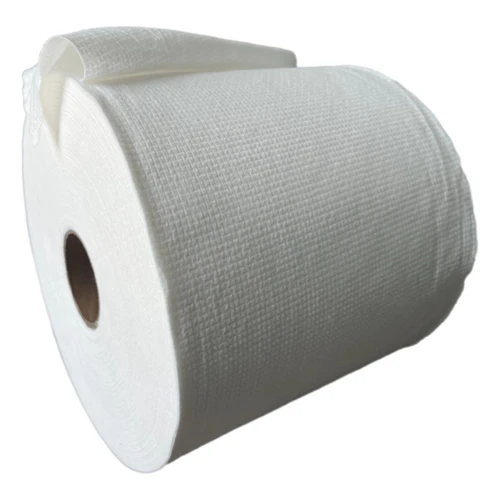
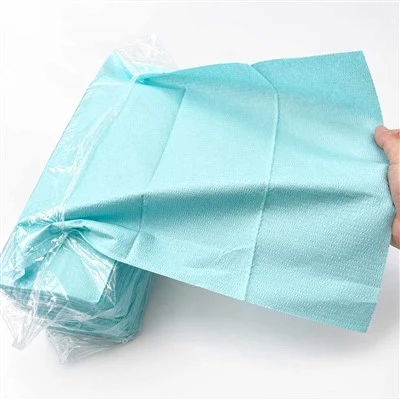
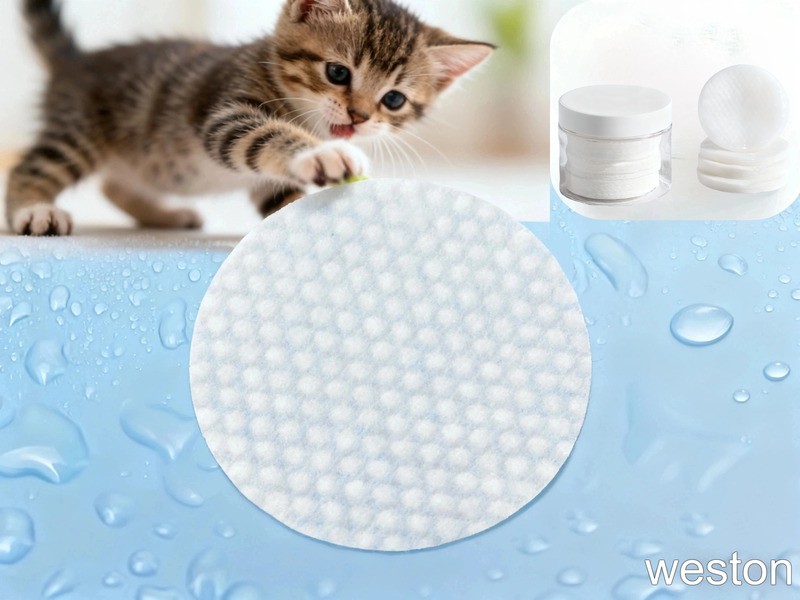
Groomers use soft cotton pads or wipes soaked with purified water or mild tear-stain removers. These pads are always lint-free and non-irritating to delicate eye fur. Many professionals choose Weston Nonwoven's Tear Stain Remover Wipes, made from premium spunlace nonwoven fabric and optionally infused with pure water. The smooth texture helps lift away debris without rubbing or pulling.
Step 2. Keeping the Area Dry
After wiping, the fur must be dried completely. Any leftover moisture fuels bacterial growth. Groomers often use small absorbent towels or air blowers at a cool setting to keep the area fresh.
Step 3. Trimming Discolored Fur
Once stains are reduced, many professionals trim the fur around the eyes to prevent future buildup. It's not cosmetic vanity - shorter hair means less moisture retention.
What Tools Do Groomers Trust?
Behind the scenes, professional groomers rely on a few essentials that quietly do the hard work:
Lint-free pads or wipes - ideally made from natural cotton, viscose, or bamboo fibers.
Tear-stain remover formulas - often containing mild acids like citric or boric acid for safe stain lifting.
Filtered water - used to avoid mineral buildup that worsens stains.
Combs and micro-scissors - for precision trimming without pulling.
Rinse-free gloves - for daily hygiene maintenance around the muzzle and paws.
Among these, Rinse-Free Pet Cleaning Gloves are gaining popularity. Groomers appreciate the practicality: they can clean eyes, ears, and paws quickly without using shampoo or water. Weston Nonwoven offers these gloves in customizable formulas - a favorite among Swiss and German clients who value gentle yet efficient pet care solutions.
Facts About Tear Stain Treatment (Science-Based Section)
1. pH Balance Matters
A slightly acidic cleaner (around pH 6) helps dissolve iron-based pigments without irritating skin.
2. Ingredients to Look For
Aloe vera – calms the skin.
Chamomile or witch hazel – reduce inflammation.
Mild surfactants – break down tear residue gently.
3. Frequency of Cleaning
Daily wiping is more effective than occasional deep cleaning. Regularity prevents re-staining rather than just removing buildup.
4. Internal Factors
Balanced diet, filtered water, and regular grooming keep tear stains minimal. Some pets respond well to adding probiotics or switching to stainless-steel bowls (to reduce bacterial contamination).
Why Material Quality Matters More Than You Think
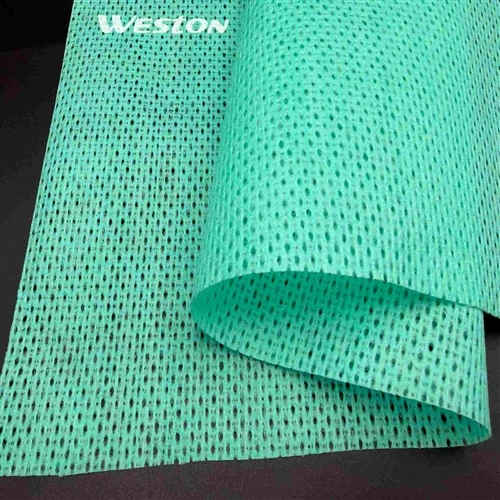
Not all wipes are created equal. Low-quality fabrics can shed fibers or irritate sensitive skin. That's why professional-grade products like Tear Stain Remover Wipes from Weston Nonwoven - made from dense, water-jet spunlace nonwoven - have become an industry standard.
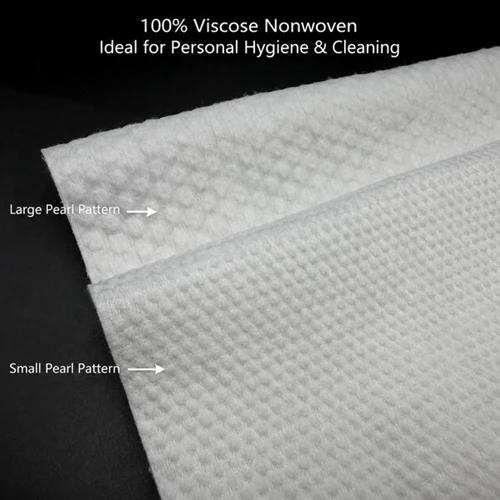
Spunlace technology uses high-pressure water to entangle fibers, producing a cloth-like feel that's soft yet durable. This makes it ideal for the pet care segment, where texture and safety matter as much as cleaning power. The material can be customized: 100% cotton for natural softness, bamboo for sustainability, or viscose for superior absorbency.
Real-World Tips for Pet Owners
Wipe your pet's eye area once or twice a day, especially after meals or walks.
Always use pet-specific wipes or pads - human products can be too alkaline or perfumed.
Keep fur trimmed short around the eyes.
Switch to filtered water to minimize mineral-based staining.
If stains worsen or smell appears, see a vet - it may signal an infection or allergy.
A Quiet Revolution in Pet Grooming
Pet grooming is no longer just about looks; it's about gentle technology. Factories like Weston Nonwoven have modernized what used to be simple cotton pads into scientifically engineered nonwoven solutions. Products such as Tear Stain Remover Wipes and Rinse-Free Pet Cleaning Gloves show how design, material science, and care ethics now merge.
These innovations aren't loud - they don't promise miracles. Instead, they offer what every groomer and pet parent truly wants: consistency, safety, and clean comfort for every beloved animal.