If your pet's wipe leaves fuzz in their fur, tears apart mid-use, or makes them flinch - the wipe itself is the problem, not your pet's skin or your technique. Most people never think to question the fabric. They blame the scent, the soap, or assume their dog is just being fussy. But nine times out of ten, the real issue is sitting in the cloth you're holding.
Here's what's actually going on, sign by sign.
1. It Leaves Fibers Behind in the Fur
You wipe your dog's paws after a walk and notice little white fuzz balls stuck in their coat, especially if they have longer hair. That's not lint from your house. That's the wipe shedding.
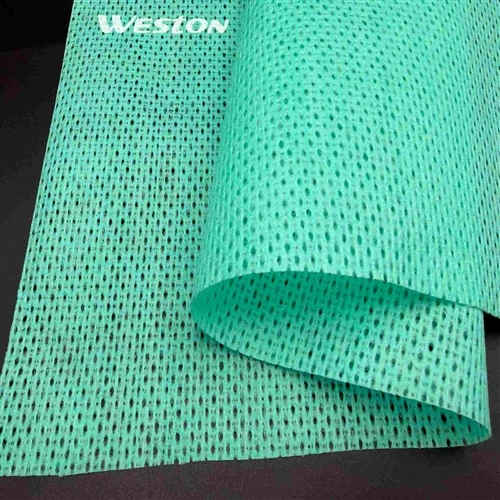
This happens when the fibers inside the wipe aren't bonded tightly enough. Most pet wipes are made using a process called hydroentanglement - high-pressure water jets that lock fibers together without glue or heat. When that process is rushed or done with cheap equipment, the fibers stay loosely tangled instead of properly fused. The result: fibers pull away every time the wipe rubs against fur.
This matters more than people realize. Pets groom themselves constantly. Loose fibers left behind get licked and swallowed. It's a small risk, but it's an avoidable one - and it starts with how tightly the fabric was made in the first place.
Quick check: rub a dry wipe between your fingers. If it starts shedding immediately, the bonding was never strong to begin with.
2. It Tears Apart While You're Using It
Ever had a wipe rip in half while cleaning your dog's ears or the folds around a pug's face? That's not bad luck. That's a strength problem.
Fabric can be strong when it's dry and weak the second it gets wet - this is called wet tensile strength, and it's one of the most overlooked numbers in wipe manufacturing. A lot of manufacturers optimize for dry strength because it's easier to test and looks fine on paper. But a wipe is never used dry. The moment it's saturated with cleaning solution, the fiber structure needs to hold - and cheap fabric simply doesn't.
Quick check: stretch a wet wipe gently in two directions. Good fabric resists. Weak fabric gives way almost instantly.

3. The Fur Still Feels Dirty After Wiping
You wipe, and somehow the fur still feels greasy or the wipe just smears the dirt around instead of picking it up. This isn't a texture complaint - it means the wipe is failing at its one job.
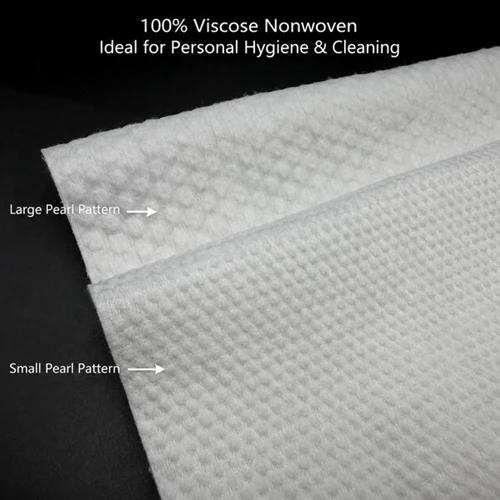
The fix comes down to fiber blend. Most spunlace wipes combine viscose and polyester in different ratios. Viscose absorbs well but can fall apart when wet if the ratio is off. Polyester adds strength but too much of it and the fabric stops absorbing properly. Get the ratio wrong, and the wipe holds onto grime instead of lifting it away.
Quick check: wipe a visibly dusty surface once. A properly balanced fabric will show clear pickup. A poorly balanced one just pushes dust around.
4. Your Pet Pulls Away or Scratches Afterward
If your pet flinches, licks the wiped area obsessively, or you notice mild redness, don't assume it's an allergy to the formula right away. Rough fiber diameter and uneven carding - the process that aligns fibers before bonding - can make a wipe feel scratchy even if it looks smooth.
There's also a chemical side to this. Uneven fabric absorbs cleaning solution unevenly too, which means some spots on the wipe carry a stronger concentration than others. Sensitive skin picks up on that fast, especially around ears, paws, and skin folds where the skin is thinner.
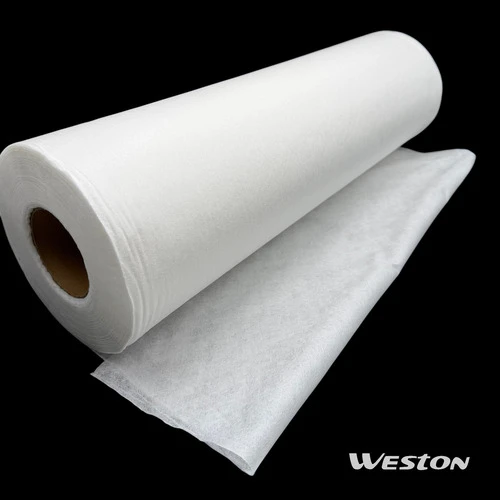
This is actually where fabric choice quietly becomes a safety decision, not just a comfort one. Some manufacturers - Weston Nonwoven among them - build spunlace fabric specifically for Family-safe Pet Cleaning Cloths, keeping fiber diameter consistent and avoiding harsh bonding agents so the cloth stays gentle on sensitive skin batch after batch.
Quick check: press the wipe against your own inner wrist. If it feels rough to you, it's rougher on your pet.
5. Every Pack Feels Different
One pack of wipes works great. The next feels thinner, drier, or tears faster. Nothing about your pet changed - the fabric did.
This is a manufacturing consistency issue, specifically around GSM (grams per square meter, a measure of fabric weight) and liquid retention control. If a factory isn't tightly controlling these during production, thickness and absorbency drift from batch to batch. It's a quality control problem at the raw fabric stage - long before the wipes are cut, folded, and packaged.
Quick check: compare the weight and thickness of wipes from two different boxes side by side. You shouldn't be able to tell them apart.
What's Really Happening Underneath All of This
A pet wipe is really just a delivery system. The fabric decides everything - how much it absorbs, how strong it stays when wet, how soft it feels, and how safe it is against skin. The cleaning solution gets most of the credit or blame, but the cloth is doing the heavier lifting.
This is the part most wipe brands never explain, and it's exactly why these five signs keep showing up even when the packaging says "gentle" or "premium."
If you're a brand sourcing wipes rather than just buying them off a shelf, these same five checks apply - just earlier in the process, at the fabric stage instead of the finished product. Weston Nonwoven works with pet care brands as a hypoallergenic pet wipes OEM supplier, focusing on fiber blend ratio, wet tensile strength, and consistent GSM control so these problems don't reach the customer in the first place.
Good pet care doesn't start with a nicer scent or a bigger claim on the box. It starts with materials most people never think to check - until their pet reacts to one.