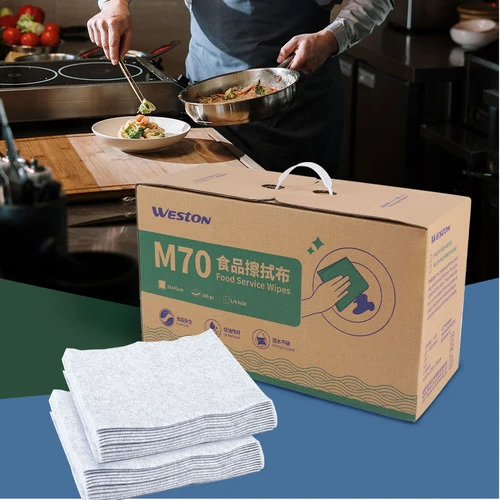
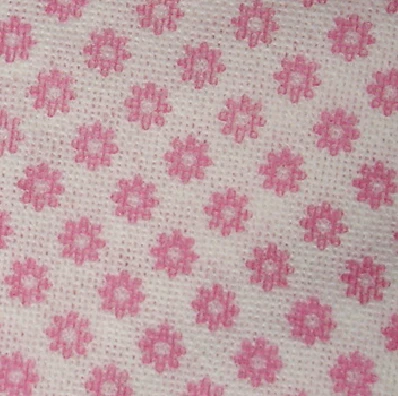
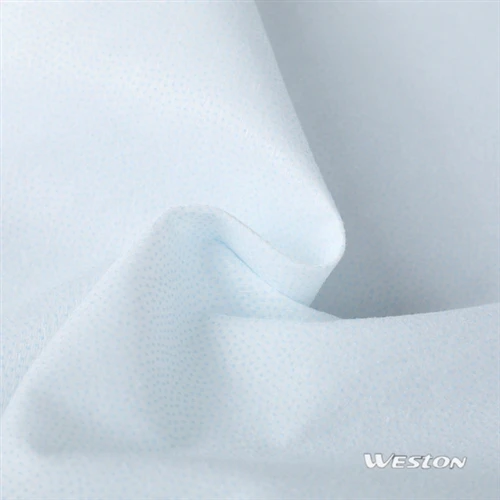
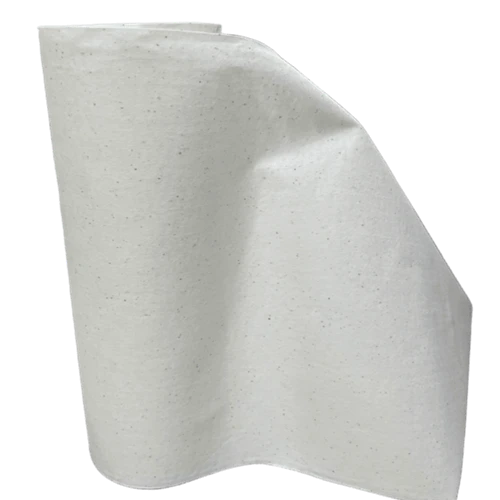
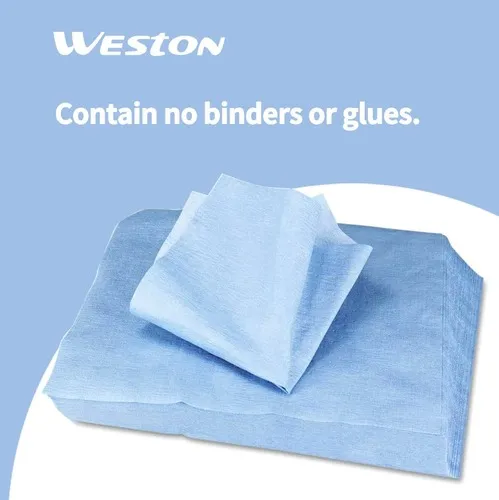
The best wipes for food processing equipment are those that combine high absorbency, low lint, strong durability, and safe compatibility with cleaning chemicals.
For most food manufacturing environments, professional-grade nonwoven wipes, microfiber wipes, and disinfecting wipes are the most suitable choices because they can remove grease, food residues, moisture, and microorganisms without creating additional contamination risks. The right wiping solution depends on the equipment type, contamination level, and sanitation process. A good wipe does more than make surfaces look clean - it helps maintain food safety standards, improve cleaning efficiency, and protect production reliability.
Why Food Processing Equipment Requires Specialized Wiping Solutions
Food production environments create cleaning challenges that are very different from ordinary industrial or household applications. Equipment surfaces are constantly exposed to oils, proteins, starches, sugars, and organic residues that can become difficult to remove once they accumulate. A suitable wiping material must handle these contaminants while maintaining hygiene performance throughout repeated cleaning operations.
Traditional fabrics or low-quality wipes may appear effective at first, but they can introduce problems such as excessive lint, weak absorption, surface scratches, or chemical incompatibility. In modern food facilities, cleaning materials are considered part of the contamination control system rather than simple consumables.
Food Residues Can Become Hidden Sources of Contamination
Food residues often remain in small gaps, machine joints, conveyor edges, and equipment corners where regular cleaning methods may not reach effectively. Grease and protein-based residues can form invisible films that support microbial growth if they are not properly removed. High-performance wipes help capture and remove these residues instead of spreading them across the equipment surface.
A well-designed wipe should absorb contaminants quickly and hold them securely inside the material structure. This reduces the chance of transferring bacteria, particles, or food residues from one area to another during cleaning.
Cleaning Materials Must Protect Both Hygiene and Equipment Performance
Food processing machines are usually made from stainless steel, plastic, glass, or specialized food-grade materials. Cleaning tools must remove contamination without damaging these surfaces. Abrasive materials or unstable fibers can affect equipment appearance and may create additional maintenance concerns.
Professional wiping materials are designed with controlled fiber structures, allowing operators to clean efficiently while maintaining the condition of expensive production equipment.

Types of Wipes Suitable for Food Processing Equipment
Different areas of food production require different wiping performance. Daily maintenance, deep cleaning, and disinfection procedures may involve different materials and structures. Selecting the right wipe according to the cleaning task improves both hygiene results and operational efficiency.
Multi-Purpose Cleaning Cloths for Routine Equipment Cleaning
Multi-Purpose Cleaning Cloths are commonly used for daily cleaning tasks because they provide a balance between absorption, strength, and versatility. They are suitable for removing water, oil, food particles, and general production residues from equipment surfaces, worktables, and processing areas.
High-quality cloths made from spunlace nonwoven materials offer excellent liquid absorption and good tear resistance. They remain stable during repeated wiping, helping operators complete cleaning tasks faster while reducing excessive material consumption.
These cloths are especially useful in environments where equipment requires frequent cleaning throughout the production cycle.
Multi-Surface Disinfectant Wipes for Hygiene Control
Multi-Surface Disinfectant Wipes are designed for situations where cleaning and microbial control need to happen efficiently. They are often used on frequently touched areas such as control panels, handles, switches, and surrounding equipment surfaces.
The main advantage of these wipes is convenience. Their ready-to-use format helps reduce preparation time and supports consistent sanitation procedures across different production areas.
However, facilities should always confirm whether the disinfectant formulation is approved for the intended surface and application. Proper usage instructions remain essential for maintaining food safety compliance.
Microfiber Wipes for Fine Cleaning Applications
Microfiber technology provides excellent cleaning performance because the extremely fine fibers create a larger surface area for capturing dust, oil, and small particles. Compared with traditional materials, microfiber wipes can remove contaminants more effectively from smooth surfaces.
They are particularly suitable for stainless steel equipment, inspection areas, and high-cleanliness production zones where surface appearance and contamination control are both important.
The dense fiber structure also helps reduce particle release, making microfiber a preferred choice for applications requiring cleaner surfaces and lower residue levels.
Important Features of Food Processing Cleaning Wipes
Not every wipe is suitable for food manufacturing environments. The best option should provide reliable performance in several areas, including absorption, durability, cleanliness, and chemical resistance.
High Absorption Capacity for Efficient Cleaning
Absorption performance directly affects cleaning speed and effectiveness. A wipe with strong liquid-holding ability can quickly remove water, oil, sauces, and cleaning solutions without excessive dripping.
Poor absorption forces operators to use more materials and repeat cleaning steps, increasing labor costs and waste. High-absorbency wiping materials help improve workflow efficiency while keeping production areas cleaner.
Materials such as spunlace nonwoven fabrics and microfiber structures are widely used because they combine softness with strong liquid management capability.
Low-Lint Performance to Reduce Foreign Material Risks
Lint control is a critical consideration in food processing environments. Loose fibers from poor-quality wipes may become unwanted contaminants, especially around packaging areas and final production stages.
Low-lint materials are engineered to maintain structural stability during wiping. They release fewer fibers while still providing effective cleaning performance.
This characteristic is especially valuable for manufacturers producing products with strict appearance and quality requirements.
Strong Durability for Heavy Cleaning Tasks
Food equipment cleaning often involves repeated wiping, pressure, and exposure to cleaning agents. Weak materials can tear easily, leaving pieces behind and increasing cleaning time.
Durable wipes maintain their structure during demanding operations. This allows operators to clean larger areas with fewer replacements while maintaining consistent results.
For heavy-duty environments such as meat processing or industrial kitchens, strength is just as important as absorption.
Chemical Compatibility With Cleaning Solutions
Modern sanitation processes often involve detergents, degreasers, and disinfectants. The wiping material must remain stable when exposed to these chemicals.
A suitable wipe should not quickly break apart, release unwanted substances, or lose cleaning performance during use. Chemical compatibility helps ensure that cleaning procedures remain effective from start to finish.
Choosing the Right Wipes for Different Food Processing Applications
Food industries have different contamination challenges depending on their products and production processes. The ideal wiping solution should match the specific environment rather than using the same material for every task.
Stainless Steel Equipment Cleaning
Stainless steel machinery is widely used in food processing because of its durability and corrosion resistance. However, these surfaces easily show fingerprints, grease marks, and residue buildup.
Soft, low-abrasion wipes help maintain the polished appearance of stainless steel while removing contamination effectively. A suitable material should clean smoothly without leaving scratches or excessive fibers.
Regular wiping also helps prevent residue accumulation around equipment surfaces and connections.
Food Packaging and Filling Line Maintenance
Packaging areas require strict contamination control because they are closely connected with finished products. Surfaces around filling machines, sealing equipment, and inspection stations must be cleaned frequently.
Wipes used in these areas should provide reliable cleaning without leaving fibers or chemical residues. Ready-to-use disinfecting wipes can support rapid cleaning of high-contact areas during production changes.
Consistent cleaning practices help reduce contamination risks before products reach consumers.
High-Grease Food Production Environments
Meat processing, dairy production, and prepared food manufacturing often involve heavy grease and organic contamination. These environments require wipes with strong absorption and mechanical strength.
Heavy-duty wiping materials can remove stubborn residues while maintaining performance during intensive cleaning operations. Choosing stronger materials reduces downtime caused by repeated cleaning failures.

Common Mistakes When Selecting Wipes for Food Equipment Cleaning
Many sanitation problems are caused by incorrect wipe selection rather than poor cleaning procedures. Understanding common mistakes helps manufacturers improve their hygiene strategies.
Using Low-Cost Wipes Without Considering Performance
The cheapest wipe is not always the most economical choice. Materials with poor absorption or weak durability may require more pieces for the same cleaning task.
Higher-performance wipes often reduce overall consumption because each piece can clean a larger area more effectively. Evaluating total cleaning efficiency is more important than focusing only on purchase price.
Using the Same Wipe for Every Cleaning Task
Different cleaning stages require different wiping characteristics. Removing grease, collecting particles, and disinfecting surfaces are separate tasks that may require different solutions.
Using dedicated wipes for specific applications helps prevent cross-contamination and improves cleaning consistency. A structured wiping system creates better control over hygiene procedures.
Ignoring Material Safety and Compliance Requirements
Food production companies must consider whether wiping materials are appropriate for their environment. Factors such as fiber release, chemical compatibility, and application requirements should be evaluated before selection.
A reliable supplier should provide technical information and quality documentation to support safe usage.
How Professional Wipes Improve Food Safety Management
Cleaning wipes are becoming an important part of modern food safety strategies. They support faster sanitation processes, reduce contamination risks, and help companies maintain consistent cleaning standards.
Improving Cleaning Efficiency and Reducing Waste
High-performance wipes allow operators to complete cleaning tasks with fewer materials and less effort. Better absorption means fewer repeated wiping actions, while stronger structures reduce frequent replacement.
This improves operational efficiency while helping companies control consumable costs.
Supporting More Consistent Sanitation Procedures
Standardized wiping solutions make cleaning processes easier to manage across different production areas. Employees can follow clearer procedures when the right materials are assigned to specific tasks.
Consistency is especially important for large food facilities where multiple teams operate across different shifts.
Moving Toward Smarter and More Sustainable Cleaning Solutions
The food industry is increasingly focusing on efficiency and sustainability. Durable wiping materials, optimized usage methods, and responsible material selection help reduce unnecessary waste.
Future cleaning systems will continue to balance hygiene performance, environmental responsibility, and operational efficiency. The right wiping solution is not simply a cleaning accessory - it is a key component of safer food production.