What Is the Difference Between Bamboo and Bamboo Fiber?
Bamboo has become a familiar material in many industries-from construction and furniture to textiles and hygiene products. At the same time, the term bamboo fiber appears frequently on product labels, especially in fabrics, wipes, and cosmetic pads.
Although these two terms sound similar, they refer to very different things. Understanding the difference helps explain how bamboo moves from a hard plant in nature to a soft material used in everyday products.

Bamboo: A Natural Plant Material
Bamboo is a fast-growing grass rather than a tree. It grows widely across Asia and has been used for thousands of years as a structural material.
The plant is valued because it grows quickly, regenerates without replanting, and produces a strong, durable stalk. However, raw bamboo is hard, woody, and rigid, which makes it unsuitable for direct use in soft textile products.
Key facts about bamboo
Bamboo is a natural plant, not a manufactured fiber
Its structure contains cellulose, lignin, and hemicellulose
The lignin gives bamboo its hard and woody structure
Raw bamboo cannot be used directly to make fabrics or wipes
In practical terms, bamboo is a raw resource, similar to cotton plants or wood pulp. Before it can become a soft material, it must go through a processing stage.
Bamboo Fiber: A Processed Cellulose Material
Bamboo fiber refers to fibers produced from bamboo cellulose. These fibers are created through a series of mechanical or chemical processes that separate cellulose from the rigid plant structure.
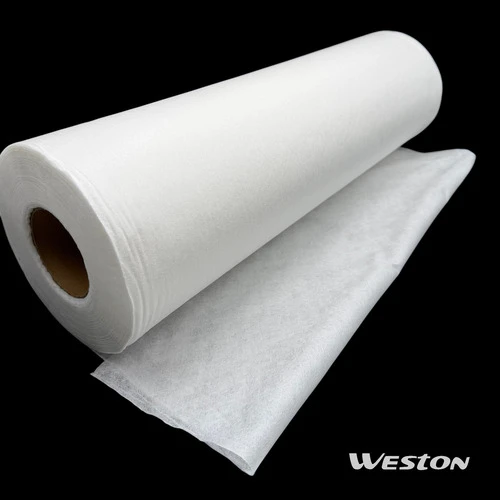
Once processed, the cellulose can be formed into yarns, fabrics, or nonwoven materials.
Two main types of bamboo fiber
1. Mechanical bamboo fiber
- Produced by crushing bamboo and using enzymes to separate fibers
- Retains more of the plant's natural structure
- Production is relatively complex and less common
2. Regenerated bamboo fiber
Bamboo is converted into cellulose pulp
The cellulose is dissolved and then re-spun into fibers
The resulting fiber is chemically similar to viscose rayon
Most bamboo-based textiles available today belong to the second category. The key idea is that bamboo fiber is not the plant itself-it is a regenerated material made from bamboo cellulose.
Why Bamboo Must Be Processed Before Becoming Fiber
The structure of bamboo explains why processing is necessary. The plant's strong framework is held together by lignin, which makes the stalk durable but also stiff.
To transform bamboo into soft fibers, manufacturers must separate the cellulose from this rigid matrix.
Typical processing steps
- Bamboo stalks are cut and crushed
- The material is converted into cellulose pulp
- The cellulose is refined and formed into fibers
- Fibers are processed into yarn, fabric, or nonwoven web structures
Only after these steps can bamboo-based materials achieve the softness and absorbency required for hygiene products, fabrics, or wipes.
Not All Bamboo Is Suitable for Fiber Production
A detail that is often overlooked is that not every bamboo species is suitable for fiber extraction.
From an industrial perspective, bamboo must contain a sufficiently high level of cellulose to make fiber production economically viable.
At Weston's manufacturing facilities, the selection of bamboo raw materials follows strict standards.
Raw material selection at Weston
Only mature bamboo is used as the base material
The bamboo is sourced mainly from Sichuan Province in China, a region known for high-quality bamboo resources
Three commonly selected species include:
- Cizhu
- Longzhu
- Huangzhu
These species contain 46%–52% cellulose fiber content, which makes them suitable for efficient fiber extraction.
Lower-fiber bamboo species are generally avoided because the processing yield is too low. Selecting high-fiber bamboo helps ensure stable material quality and consistent fiber performance.

From Bamboo Fiber to Nonwoven Materials
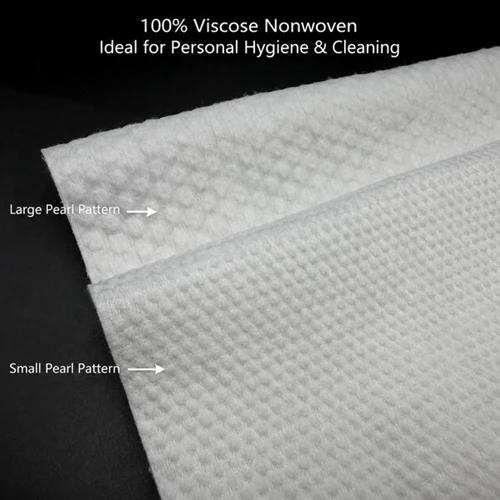
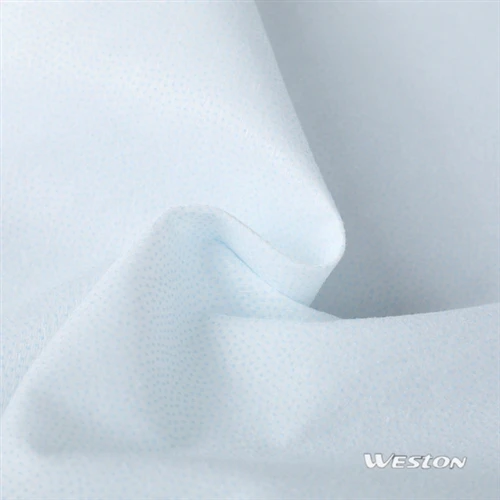
Once bamboo cellulose fibers are produced, they can be used in several material systems. One widely used technology is spunlace hydroentanglement, which bonds fibers together using high-pressure water jets.
This method creates a soft, flexible nonwoven fabric without the need for chemical binders.
In industrial hygiene and personal care products, bamboo-based spunlace materials are commonly used for:
- Facial cleansing wipes
- Makeup remover pads
- Disposable towels
- Cosmetic sheet masks
- Personal hygiene wipes
Because spunlace fabrics combine softness with absorbency, they are particularly suitable for skin-contact applications.
Within this field, specialized materials such as Pulp Bamboo Fiber Spunlace and Bamboo Charcoal Spunlace are increasingly used for skincare and cleansing products.
Bamboo Fiber and Skin-Contact Materials
For facial cleansing and cosmetic use, material softness and absorbency are essential. Bamboo cellulose fibers naturally contain a fine structure that helps create smooth and comfortable fabrics.
When these fibers are combined with hydroentanglement technology, the result is a nonwoven material that can hold liquid well while remaining gentle on the skin.
At the product level, manufacturers often produce cosmetic pads or wipes in different formats depending on use scenarios.
For example, Weston manufactures facial cleansing and makeup-removal pads in multiple configurations. The factory offers a wide selection of materials, structures, and fabric weights to meet different application needs.
These pads can vary in:
Fiber composition
Fabric thickness (GSM)
Surface texture
Layer structure
This flexibility allows brands to select the most appropriate material for specific skincare formulations.
In practical applications, materials such as Pulp Bamboo Fiber Spunlace are often used where softness and absorbency are important, while Bamboo Charcoal Spunlace may be chosen for cleansing-focused products.
Why the Distinction Matters
The difference between bamboo and bamboo fiber may appear simple, but it helps clarify many questions about bamboo-based materials.
Understanding this distinction explains:
- Why bamboo cannot directly become fabric
- Why processing technology is essential
- Why raw material selection affects fiber quality
- Why bamboo-based products vary widely in performance
In short, bamboo is the plant, while bamboo fiber is the processed material derived from it. Recognizing that difference makes it easier to understand how bamboo moves from the forest into modern textile and nonwoven applications.