100% Natural Plant Fiber Spunlace Facial Mask Sheet – Weston Nonwoven OED & OEM Supply
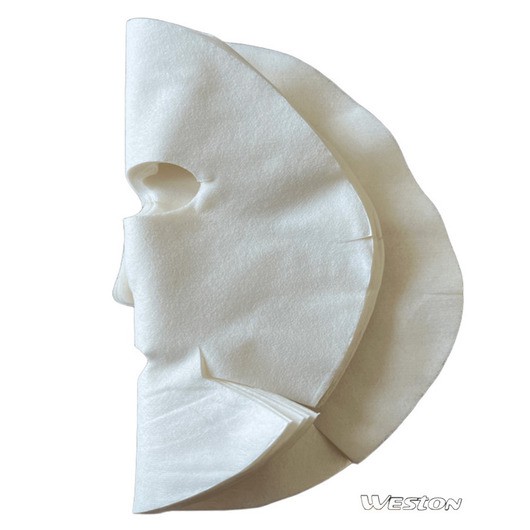
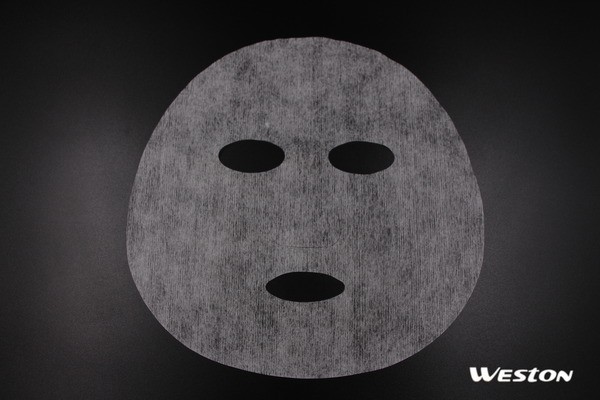
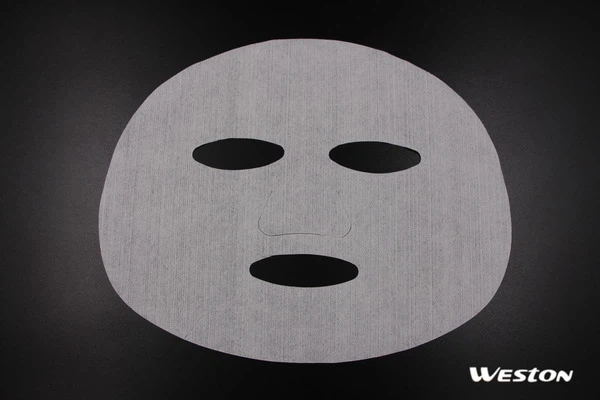
100% Natural Plant Fiber facial sheet masks are nonwoven fabric carriers engineered exclusively from renewable plant-derived cellulose fibers, with no synthetic polymer blends, wood pulp fillers, or chemical binders added during the manufacturing process. The base material is derived from natural plant cellulose, which undergoes mechanical fiber extraction and is then processed through spunlace (hydroentanglement) technology to form a cohesive, binder-free fabric sheet.
Key Benefits
- 100% plant-based substrate for clean-label skincare positioning.
- Spunlace structure provides strong fiber entanglement without glue or thermal bonding.
- Excellent serum absorption and release performance.
- Soft, breathable, and comfortable on the skin.
- Available in custom sizes, shapes, and packaging formats.
Technical Specifications
|
Item |
Specification |
|
Product Name |
100% Natural Plant Fiber Spunlace Facial Mask Sheet |
|
Material |
100% Natural Plant Fiber |
|
Fabric Type |
Nonwoven spunlace fabric |
|
Bonding Method |
Hydroentanglement, binder-free |
|
Synthetic Fiber Content |
None |
|
Chemical Binder |
None |
|
Basis Weight |
15–35 gsm |
|
Recommended Weight |
30 gsm |
|
Standard Size |
Approx. 200 × 220 mm |
|
Size Tolerance |
±1.5 mm |
|
Color Options |
Natural ivory, off-white, low-bleach white |
|
Tensile Strength (MD) |
18–24 N/5cm, typical |
|
Tensile Strength (CD) |
10–16 N/5cm, typical |
|
Absorption Rate |
About 900%–1100% of its own weight |
|
Serum Holding Capacity |
About 12–18 ml per standard sheet |
|
Suitable Formulas |
Water-based, gel, light emulsion |
|
Less Suitable Formulas |
High-oil or strongly hydrophobic formulas |
|
Dry Shelf Life |
3–5 years under sealed, dry storage |
|
Packaging Formats |
Roll stock, bulk packed sheets, individual sachets |
|
OEM MOQ |
50,000–100,000 pcs per SKU, depending on customization |
|
Main Applications |
OEM mask brands, spas, beauty salons, post-care products |
Recommended Use
This mask sheet is ideal for:
- Daily hydrating facial masks.
- Sensitive-skin and soothing masks.
- Spa and salon treatment masks.
- Post-procedure skincare masks.
- Private label and OEM skincare product lines.
Gram Weight (GSM) and Its Technical Significance
Gram weight, expressed as grams per square meter (gsm), is the primary parameter controlling the balance between liquid capacity, skin adhesion, and mask handling properties.
- At 15–20gsm, natural plant fiber fabric is ultra-thin with high translucency; it conforms closely to skin contour but has limited serum reservoir capacity and reduced durability, making it suitable for low-viscosity essence formulations.
- At 25–30gsm, the fabric achieves an engineering balance point: sufficient fiber density to hold high-concentration serums (viscosities of 500–3,000 mPa·s, such as hyaluronic acid concentrations above 2%) without immediate saturation breakthrough, while remaining light enough to minimize occlusive skin pressure. Independent absorption testing on 30gsm spunlace natural plant fiber shows total serum retention of approximately 12–18ml per standard 20×22cm mask sheet, depending on cut and serum formulation. This range accommodates typical professional facial treatment protocols, which commonly dose 15–20ml of essence per mask application.
- At 35gsm and above, the mask fabric offers highest durability and serum capacity but increases stiffness and reduces flexibility for irregular facial contours (nasolabial fold area, orbital zones), which can reduce full-surface skin contact and potentially lower serum transfer efficiency.
- The 30gsm specification is therefore not arbitrary - it reflects an empirically converged standard across the professional skincare industry for applications requiring high-concentration serum delivery combined with durability through packaging, transport, and single-use application without tearing.
Fiber Microstructure and Skin Adhesion Mechanism
The microfiber network of spunlace natural plant fiber has a mean fiber diameter in the range of 10–20 micrometers. At this scale, the fabric surface at the skin interface creates a capillary network that functions as a liquid reservoir, maintaining a thin film of serum between the fabric and the stratum corneum throughout the treatment duration.
This capillary-retention mechanism reduces evaporation loss compared to open-surface application methods. In sealed-face application conditions (mask pressed flat to skin), measured evaporation loss from a 30gsm natural plant fiber mask over a 20-minute application period is typically 3–8% of total applied serum volume, versus 15–30% evaporation loss from an equivalent serum amount applied directly to skin and left unoccluded. The fabric effectively functions as a vapor barrier on the upper surface while maintaining liquid contact on the dermal side.
Chemical Safety Profile
Because spunlace natural plant fiber masks use no chemical binders, the primary residual chemical risk factors are those introduced at the raw fiber or water treatment stage. Key certifications relevant to chemical safety evaluation include:
pH of the fabric itself (measured via extraction per ISO 3071) should fall within 4.5–7.5 to match the physiological pH range of healthy skin (4.7–5.75). Plant fiber substrates that undergo chlorine bleaching can shift pH toward alkaline ranges and may compromise this specification.
Comparison With Adjacent Substrate Categories
- Viscose/Rayon (Lyocell, Tencel): These are chemically regenerated cellulose fibers derived from wood pulp via solvent dissolution (lyocell process uses NMMO solvent; viscose uses carbon disulfide). While the finished fiber is cellulose-based, the fiber origin and processing differ fundamentally from mechanical extraction of natural plant fiber. Lyocell/Tencel substrates have excellent softness and moisture management but are not classified as "100% natural" under fiber origin criteria because the regeneration process substantially alters the native polymer chain structure.
- Cotton Spunlace: Cotton is a natural plant fiber, but many commercial cotton nonwovens blend cotton with viscose or polyester at 50–70% cotton content to reduce cost. A 100% cotton spunlace mask substrate at 30gsm carries a cost premium of approximately 15–25% versus comparable blended substrates but provides fully natural fiber content and the associated hypoallergenicity profile.
- Microfiber Polyester/Nylon Blends: Synthetic microfiber masks offer very high tensile strength and dimensional consistency but have near-zero inherent liquid absorption (relying on wicking surface treatments), and shed synthetic microfiber particles with repeated use or agitation. These are incompatible with clean-beauty positioning or sensitive-skin dermatological protocols.
Complementary Spunlace Products for Streamlined Sourcing
While our 100% Natural Plant Fiber Masks are a flagship solution, we also offer complementary products:
Bamboo Dinner Napkins: Eco-friendly and durable for spa cafes.
Cotton Facial Towels: Ultra-soft and lint-free for post-mask cleansing.
Unbleached 100% Cotton: Versatile for DIY mask bases or spa wraps.
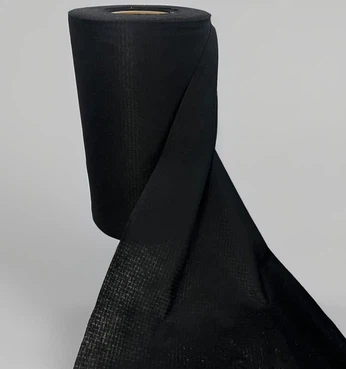
Bamboo Charcoal Spunlace: Detoxifying and breathable for deep-cleansing skincare.
FAQ
Q: What is the minimum order quantity for OEM packaging?
Standard MOQ for OEM/ODM orders with custom packaging is typically 50,000–100,000 units per SKU, depending on packaging complexity and whether new tooling is required for die-cut shapes outside standard dimensions.
Q: How does the mask perform with oil-based or bi-phase serums?
Standard hydrophilic natural plant fiber substrates absorb water-based formulations efficiently but have reduced uptake of anhydrous or high-oil-content serums. For oil-in-water emulsion formulations above approximately 30% oil phase, substrate performance should be validated by impregnation testing; alternatively, a surface-modified (oleophilic-treated) substrate variant should be specified.
Q: Can the substrate be certified as compostable or biodegradable?
100% natural cellulosic fiber substrates meet the fiber composition criteria for industrial compostability (EN 13432 or ASTM D6400), but packaging materials (foil laminates, PE-coated sachets) typically require separate assessment. Biodegradation rate in home compost or soil burial conditions for 30gsm spunlace natural plant fiber is approximately 60–90 days to 90% mass reduction under optimal moisture and temperature conditions.
Q: Can the product be customized?
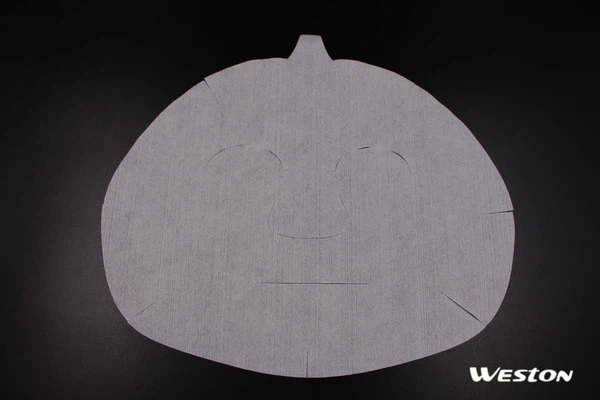
Yes. We support customization of basis weight, size, cut shape, color tone, and packaging format. OEM and ODM packaging solutions are also available.Just email info@westonmanufacturing.com
Hot Tags: 100% natural plant fiber masks, China, manufacturers, factory, customized, wholesale, Silk Sheet Mask Substrate, Disposable Lyocell Spunlace Wipes For Sanitary Use, Disposable Cotton Skin Care Wipes, Disposable Facial Scrub Pads, Pure Viscose Spiral Texture Wipes, 100 Natural Plant Fiber Masks