Lyocell has become a buzzword in sustainable textiles - celebrated as a soft, breathable, and eco-friendly fiber made from wood pulp. It's praised by eco-fashion brands and increasingly used in wipes, medical fabrics, and personal care products.
But as the saying goes, "Every fabric tells two stories." While lyocell has impressive benefits, it also carries a few practical and environmental drawbacks that manufacturers, buyers, and end-users should understand. Let's take a clear-eyed look at what makes lyocell less than perfect - and how smart engineering is improving it.
1. A Quick Recap: What Exactly Is Lyocell?
Lyocell is a cellulosic fiber made from wood pulp - usually eucalyptus, beech, or birch. The pulp is dissolved in a non-toxic solvent, N-methylmorpholine N-oxide (NMMO), then spun into fine, silky fibers through a closed-loop process that recycles up to 99% of the solvent.
Because of its natural origin and low environmental footprint, lyocell is often branded under trade names like TENCEL™ and marketed as a sustainable alternative to polyester or conventional viscose.
However, beneath this green reputation lies a more complex story.
2. The Real-World Disadvantages of Lyocell
|
Aspect |
Drawback |
Why It Matters |
|
Production Cost |
Expensive closed-loop manufacturing |
Raises fabric and product prices |
|
Care Requirements |
Wrinkles easily, needs gentle washing |
Less convenient for daily or industrial use |
|
Moisture Sensitivity |
Shrinks or weakens when wet |
Shorter lifespan without proper handling |
|
Chemical Dependency |
Relies on NMMO solvent |
Sustainability depends on factory control |
|
Supply Chain Limitations |
Limited global producers |
Less availability, higher logistics cost |
3. High Production Cost – A Price for Clean Technology
Producing lyocell isn't simple. The closed-loop system - which captures and reuses the solvent - demands sophisticated equipment and high energy consumption. Compared with polyester or cotton, the cost of spinning and finishing lyocell is substantially higher.
That means garments or wipes made entirely from lyocell usually come with premium pricing. For large-scale manufacturers, cost becomes a barrier to entry unless volumes are very high.
4. Wrinkling and Maintenance Issues
Lyocell fibers are smooth and soft, but they can wrinkle more easily than synthetic alternatives. Lightweight lyocell fabrics, in particular, tend to crease during washing or wearing.
While ironing can restore the surface, it slightly reduces fiber strength over time. Additionally, lyocell requires gentle, low-temperature washing - which is not always practical in hospital, hotel, or industrial cleaning environments.
5. Moisture Sensitivity and Shrinkage
Lyocell's high moisture absorbency is both its strength and weakness. It feels cool and comfortable on skin - but when saturated, it can lose up to 20% of its strength.
Frequent washing or high-temperature drying can cause gradual shrinkage and fiber wear, especially in 100% lyocell fabrics. This is one reason many commercial users prefer lyocell blends rather than pure lyocell compositions.
6. Chemical Dependency – The "Closed Loop" Isn't Always Perfect
The NMMO solvent used in lyocell production is recyclable but not entirely harmless. Factories that fail to maintain strict recovery standards can cause chemical waste leakage - undermining the fabric's eco-friendly reputation.
The truth is, only advanced manufacturers - like Lenzing in Austria or high-standard facilities in China - achieve near-total solvent recovery. Others still release small quantities of waste solvent into the environment.
Thus, lyocell's "green" status largely depends on where and how it is made.
7. Limited Global Supply and Customization
Currently, global lyocell production capacity remains relatively low compared to polyester or viscose. Supply chains are concentrated in a few regions, which leads to:
Longer lead times,
Higher transport emissions, and
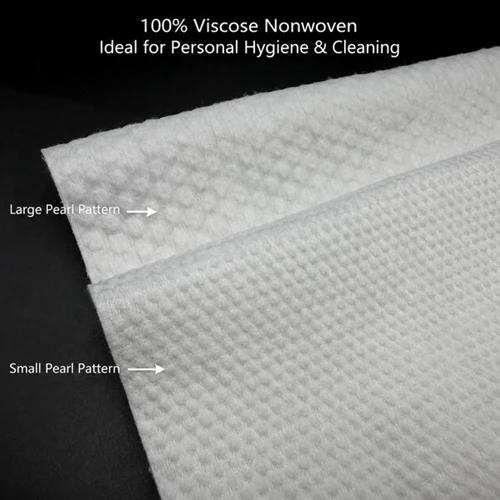
Limited options for customized blends or surface patterns.
For brands requiring diverse textures or embossed patterns, sourcing pure lyocell fabrics can be challenging - especially at competitive prices.
8. Comparing Lyocell with Other Fibers
Here's a simplified comparison for reference:
|
Property |
Lyocell |
Viscose |
Polyester |
Cotton |
|
Source |
Wood pulp |
Wood pulp |
Petroleum |
Plant fiber |
|
Sustainability |
High (if produced responsibly) |
Moderate |
Low |
Moderate |
|
Strength (Wet) |
Moderate |
Low |
High |
High |
|
Wrinkling |
High |
Moderate |
Low |
Moderate |
|
Cost |
High |
Medium |
Low |
Medium |
|
Comfort |
Excellent |
Excellent |
Moderate |
High |
This table shows that while lyocell outperforms in comfort and sustainability, it lags behind in cost efficiency, resilience, and ease of care - especially for industrial or disposable applications.
9. Where Lyocell Still Shines
Despite its disadvantages, lyocell remains a valuable material for applications that demand softness, absorbency, and sustainability. In wipes, for instance, lyocell fibers create a silky yet durable structure that feels gentle on skin while staying lint-free.
That's why forward-thinking nonwoven manufacturers are exploring lyocell as a premium alternative for personal care and medical-grade wipes - especially when combined with wood pulp for improved strength and absorbency.
10. The Balanced Approach – Blending Innovation and Practicality
For most professional buyers, a balanced solution lies in blended nonwovens, which combine lyocell with wood pulp or polyester to enhance performance and reduce cost. These blends maintain the soft touch and biodegradability of lyocell while improving durability and drying speed.
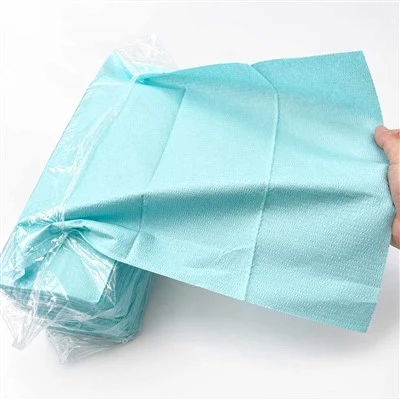
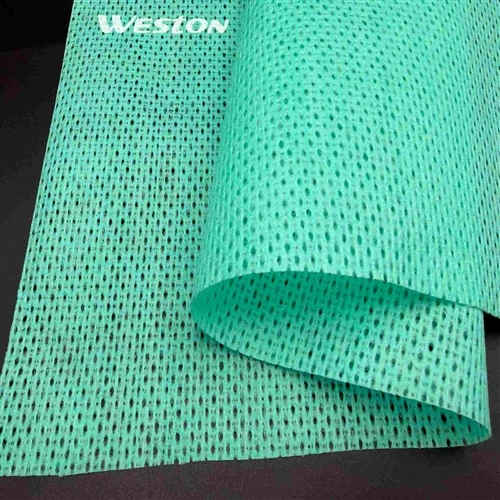
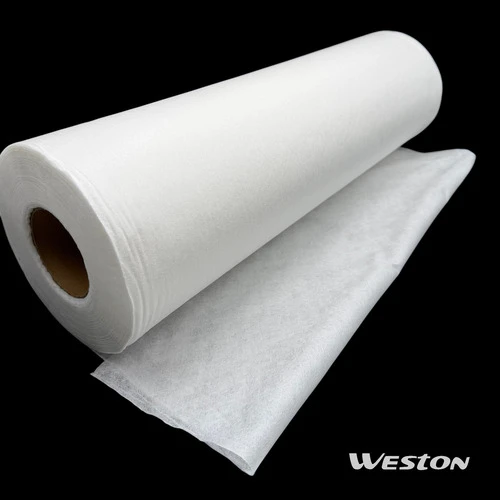
At Weston Nonwovens, our engineers apply this principle to products like Pulp Lyocell Low Lint Wipes and 100% Lyocell Spunlace, offering the comfort and sustainability of lyocell with optimized structural stability for industrial and personal care use.
For brands or distributors looking to explore lyocell-based spunlace materials, Weston provides free samples - contact us at info@westonmanufacturing.com for detailed specifications.
11. Conclusion – Transparency Over Perfection
Lyocell is not a flawless fabric - but it is a meaningful step toward cleaner textile manufacturing. Its disadvantages remind us that sustainability is a journey, not a finish line.
When buyers and factories understand both the strengths and the weaknesses of materials like lyocell, they make smarter, more responsible choices - for their products, customers, and the planet.
Because in the end, the goal isn't a "perfect" fiber.
It's honest progress, powered by knowledge and innovation.