Lyocell: What It Is & How It's Made
Lyocell is a regenerated cellulosic fiber, meaning it's derived from natural plant material (cellulose) but processed to create a strong, versatile fabric. Unlike synthetic fibers like polyester (made from petroleum) or even conventional cotton (a water-guzzling crop), lyocell starts with fast-growing, low-maintenance trees-primarily eucalyptus, though birch and oak are also used.

What sets lyocell apart from other fabrics
Comfort and performance: Lyocell fibers are soft, breathable, and have excellent moisture management, which helps regulate temperature and feel comfortable across different climates.
Drape and hand: The fiber's natural smoothness gives a refined drape, often resembling premium cotton or silk blends in feel.
Stability and care: Lyocell fabrics tend to resist wrinkling and hold shape well, with care instructions that are generally straightforward for everyday wear.
Sustainability perspective: While no textile is perfect, lyocell's closed-loop process and renewable origin offer meaningful advantages over some older viscose methods, especially when sourced from responsibly managed materials.
Why Lyocell Outperforms Every Other Fabric
Lyocell isn't just sustainable-it's high-performance. Here's how it stacks up against common textiles:
|
Feature |
Lyocell |
Cotton |
Polyester |
Rayon/Viscose |
|
Water Usage (per kg) |
10-20 liters |
10,000 liters |
7,000 liters |
2,500 liters |
|
Softness |
Silky, smooth |
Coarse (softens with wash) |
Synthetic, scratchy |
Soft but flimsy |
|
Durability |
High (retains shape) |
Moderate (shrinks/fades) |
High (non-biodegradable) |
Low (rips easily) |
|
Breathability |
Excellent |
Good |
Poor |
Good |
|
Moisture-Wicking |
Superior |
Moderate |
High (traps odor) |
Moderate |
|
Biodegradability |
Yes (100% plant-based) |
Yes |
No (plastic-based) |
Yes (but toxic production) |
Standout Benefits That Matter
Skin-Friendly: Hypoallergenic and non-irritating, lyocell is perfect for sensitive skin, babies, or anyone prone to allergies. Its smooth fibers don't trap bacteria, making it ideal for daily wear or hygiene products.
Year-Round Versatility: Breathable enough for summer dresses, insulating enough for winter loungewear, and wrinkle-resistant to boot-no more ironing emergencies.
Long-Lasting Softness: Unlike cotton, which can stiffen over time, lyocell gets softer with every wash. It also resists shrinking and fading, so your favorite pieces stay looking new longer.
Eco-Credentials: Beyond low water usage, lyocell plantations require no pesticides or fertilizers. The closed-loop process cuts down on waste, making it one of the most sustainable fabrics on the market.
Busting Lyocell Myths: Separating Fact from Fiction
Lyocell's rise has sparked a few misconceptions-let's set the record straight:
Myth 1: "It's just fancy rayon." → Fact: Rayon uses toxic solvents and generates harmful runoff; lyocell's closed-loop process is infinitely cleaner, and its fibers are stronger (rayon tends to tear easily).
Myth 2: "Sustainable fabrics are low-quality." → Fact: Lyocell outperforms cotton in durability and polyester in comfort. It's used in luxury fashion (think: $200 jeans) and medical settings for a reason.
Myth 3: "It's hard to care for." → Fact: Lyocell is machine-washable (cold water, gentle cycle) and can be tumble-dried on low. No dry cleaning required-practical as it is sustainable.
Lyocell Beyond Clothing: Surprising Applications
While lyocell is popular in dresses, jeans, and bed sheets, its versatility extends far beyond fashion. Its softness, absorbency, and hypoallergenic properties make it a star in:
Home Goods: Towels, pillowcases, and upholstery (stain-resistant and quick-drying).
Activewear: Moisture-wicking leggings and workout tops (keeps you cool and odor-free).
Medical & Hygiene: Wound care products, baby wipes, and facial cleansers (gentle on delicate skin).
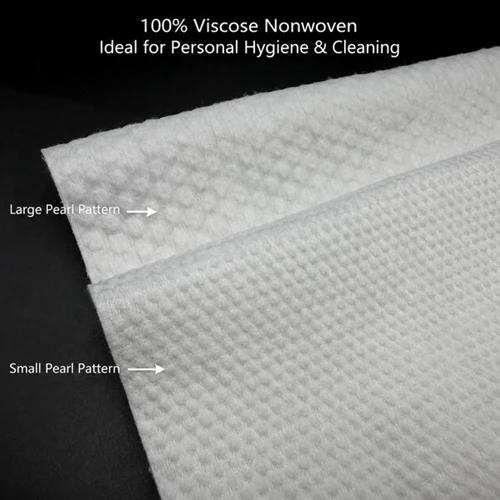
It's in this last category that lyocell's potential truly shines-especially when blended with other natural fibers to enhance performance. Innovations like wood pulp-lyocell blends or seaweed-infused lyocell nonwovens are revolutionizing hygiene and medical textiles, offering the perfect balance of softness, absorbency, and sustainability.

Real-World Lyocell Innovations to Watch
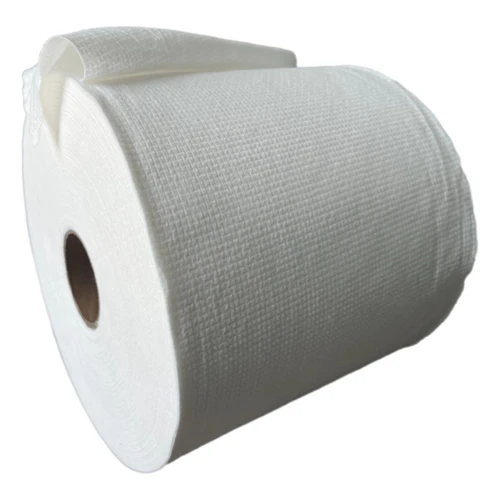
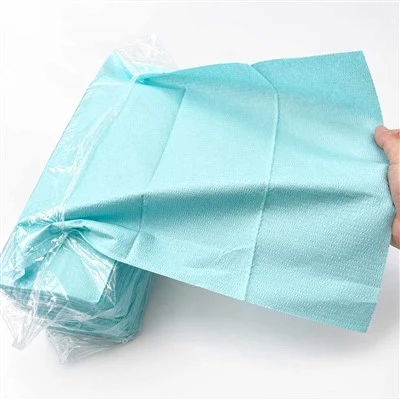
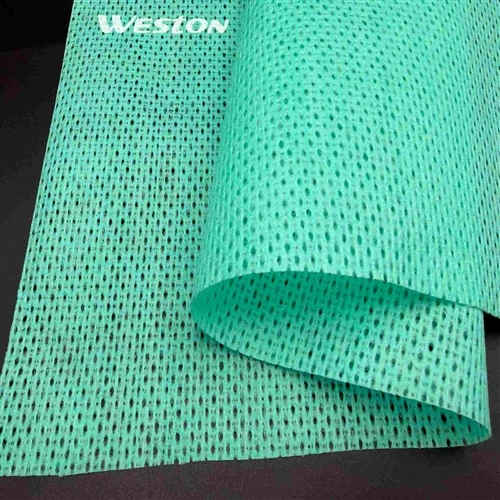
For those seeking to harness lyocell's benefits in practical products, leading manufacturers are crafting specialized solutions that marry science and sustainability. Standout options include Spunlace Nonwoven Wood Pulp Lyocell Blend Rolls (ideal for high-absorbency hygiene products), Seaweed Fiber Lyocell Nonwoven Fabric (infused with nutrients for gentle skin contact), and 100% Lyocell Fiber Wound Cleansing Wipes (hypoallergenic and perfect for sensitive wound care). These products leverage lyocell's natural strengths to create solutions that are better for users and the planet.
If you're interested in testing these lyocell-based innovations for your business, free samples are available-simply reach out to info@westonmanufacturing.com to learn more.
Lyocell Is More Than a Fabric-It's the Future
Lyocell isn't just a trend; it's a response to a world craving textiles that don't compromise on sustainability, performance, or comfort. From everyday clothing to life-saving medical products, this plant-based superfiber is proving that "eco-friendly" and "high-quality" don't have to be mutually exclusive.
Next time you shop for clothing, home goods, or hygiene products, keep an eye out for lyocell. It's not just a fabric choice-it's a choice to support a more sustainable, comfortable future. And for businesses looking to innovate with this game-changing material, the possibilities are endless-one soft, sustainable fiber at a time.