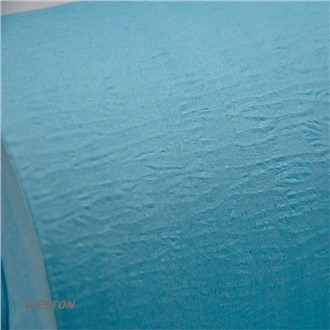
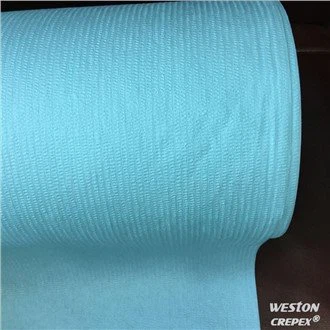
Pulp lyocell low lint wipes
Lyocell is a type of fiber that originated from the development of more sustainable and eco-friendly textile materials in response to environmental concerns associated with traditional synthetic and natural fibers.

Origin of Lyocell:
1. Development and Innovation: Lyocell was first developed in the late 20th century as an advanced form of rayon, specifically designed to address the environmental and performance issues of earlier rayon fibers.
2. Source Material: Lyocell is made from cellulose, a natural polymer found in the cell walls of plants. The primary source of cellulose for Lyocell production is wood pulp, typically derived from sustainably managed forests, including trees like eucalyptus, oak, and birch.
3. Production Process: The production of Lyocell involves dissolving wood pulp in a non-toxic solvent called N-methylmorpholine N-oxide (NMMO). The cellulose solution is then extruded through spinnerets to form fibers, which are subsequently washed and dried. This closed-loop process allows the solvent to be almost entirely recovered and reused, minimizing environmental impact.
4. Sustainability: Lyocell is considered an environmentally friendly fiber because it is biodegradable, produced from renewable resources, and manufactured using a process that conserves water and energy. The closed-loop process reduces harmful emissions, making Lyocell a more sustainable alternative to many other fibers.
5. Commercialization: After its development, Lyocell quickly gained popularity for its softness, strength, and versatility. It was first introduced to the market in the 1990s and has since been widely adopted in the textile industry for various applications, including clothing, home textiles, and technical fabrics.
Lyocell represents a significant step forward in sustainable textile innovation, combining the benefits of natural materials with modern production techniques to create a high-performance, eco-friendly fiber.
Lyocell, polyester, and viscose fibers are three different types of fibers, each with unique characteristics, origins, and applications. Below is a comparison highlighting the key differences between these fibers:
Material Source:
• Lyocell Fiber: Lyocell is a natural fiber derived from cellulose, typically sourced from wood pulp from trees like eucalyptus, beech, or oak. It is a type of regenerated cellulose fiber, created by chemically processing natural materials.
• Polyester Fiber: Polyester is a synthetic fiber made from petrochemicals, primarily derived from petroleum. It is produced through a chemical process involving the polymerization of purified terephthalic acid (PTA) and ethylene glycol.
• Viscose Fiber: Viscose, like Lyocell, is a regenerated cellulose fiber. It is also made from wood pulp, usually from bamboo, beech, or pine. The production process involves dissolving cellulose in chemicals to create a viscous solution, which is then spun into fibers.
Production Process:
• Lyocell Fiber: Lyocell is produced through a closed-loop process where cellulose is dissolved in a non-toxic solvent (N-methylmorpholine N-oxide, or NMMO). The solvent is almost entirely recovered and reused, making the process environmentally friendly.
• Polyester Fiber: Polyester is produced by melting petrochemicals and then extruding them to form fibers. The process is energy-intensive and relies on non-renewable resources, contributing to environmental concerns.
• Viscose Fiber: Viscose production involves dissolving cellulose in sodium hydroxide and carbon disulfide to create a viscous solution, which is then spun into fibers. The process can be harmful to the environment due to the use of toxic chemicals, though advancements are being made to make it more sustainable.
Environmental Impact:
• Lyocell Fiber: Lyocell is considered more environmentally sustainable due to its biodegradable nature, renewable resource base, and eco-friendly production process. The closed-loop system minimizes waste and emissions.
• Polyester Fiber: Polyester is less sustainable as it is non-biodegradable and derived from petrochemicals. It contributes to microplastic pollution and has a significant carbon footprint due to its production process.
• Viscose Fiber: Viscose is biodegradable and derived from renewable resources, but its production can be environmentally damaging due to the chemicals used. However, efforts are being made to develop more sustainable viscose production methods, like the Lyocell process.
Comfort and Performance:
• Lyocell Fiber: Lyocell is known for its softness, breathability, and moisture-wicking properties. It has a smooth, silky feel, is highly absorbent, and is resistant to wrinkles.
• Polyester Fiber: Polyester is durable, lightweight, and resistant to shrinking and stretching. It is less absorbent, which can make it less comfortable in hot or humid conditions, but it dries quickly and is often used in activewear.
• Viscose Fiber: Viscose is soft, breathable, and has a silky appearance, making it comfortable to wear. However, it is less durable than polyester and Lyocell, with a tendency to wrinkle and shrink.
Uses and Applications:
• Lyocell Fiber: Commonly used in clothing, especially sustainable fashion, as well as in bedding and home textiles due to its comfort and eco-friendliness. It is also used in medical and hygiene products.
• Polyester Fiber: Widely used in a variety of applications, including clothing, home textiles, upholstery, and industrial products. Its versatility, durability, and cost-effectiveness make it a popular choice across many industries.
• Viscose Fiber: Used in clothing, especially for items that require a silky, luxurious feel, such as dresses, blouses, and linings. It is also used in home textiles and nonwoven products like wipes and filters.
Aesthetic and Feel:
• Lyocell Fiber: Lyocell has a luxurious, soft texture and drapes well, often giving fabrics a silky appearance. It is ideal for garments that require a smooth, comfortable feel.
• Polyester Fiber: Polyester can have a wide range of textures depending on how it is processed, but it generally has a more synthetic feel compared to Lyocell and viscose. It is often used in blends to improve durability.
• Viscose Fiber: Viscose has a smooth, silky feel, similar to Lyocell, but it is typically less strong. It drapes well and gives garments a high-quality appearance, though it can be less durable than other fibers.
In summary, Lyocell, polyester, and viscose fibers differ in their origins, environmental impact, comfort, and applications. Lyocell and viscose are both derived from cellulose and are biodegradable, with Lyocell being the more sustainable option due to its eco-friendly production process. Polyester, on the other hand, is a durable and versatile synthetic fiber but has a significant environmental footprint.
Replacing polyester fiber with Lyocell fiber in the production of spunlace nonwoven low lint wipes carries significant environmental and performance benefits.
Here are the key implications of making this substitution:
1. Environmental Sustainability:
• Biodegradability: Lyocell fiber is biodegradable, meaning it can decompose naturally without leaving harmful residues in the environment. In contrast, polyester is a synthetic fiber that is non-biodegradable and contributes to long-term pollution, including microplastic contamination.
• Renewable Resource: Lyocell is derived from renewable wood pulp, typically from sustainably managed forests. This contrasts with polyester, which is made from petrochemicals, a non-renewable resource that has a higher carbon footprint.
• Eco-Friendly Production: The production of Lyocell involves a closed-loop process where over 99% of the solvent used is recovered and recycled, reducing waste and emissions. The production of polyester, on the other hand, is energy-intensive and produces more greenhouse gases.
2. Improved Fabric Properties:
• Softness and Comfort: Lyocell fiber is known for its exceptional softness and smooth texture, making the resulting nonwoven fabric more comfortable, especially for applications that come into direct contact with the skin, such as wipes, hygiene products, and medical textiles.
• Moisture Management: Lyocell has superior moisture-wicking properties compared to polyester. It absorbs and releases moisture efficiently, which helps maintain dryness and comfort in products like baby wipes, facial masks, and sanitary products.
• Breathability: The breathability of Lyocell enhances the comfort level of the fabric, making it more suitable for use in personal care products, where skin sensitivity and airflow are important considerations.
3. Enhanced Product Safety and Hygiene:
• Antibacterial Properties: Lyocell fiber naturally resists bacterial growth due to its ability to manage moisture, which contributes to better hygiene and reduced risk of skin irritations or infections in end products like medical bandages, wipes, and hygiene products.
• Chemical-Free: Lyocell production does not require harmful chemicals, unlike polyester, which can involve the use of toxic substances during its manufacture. This makes Lyocell nonwoven fabrics safer for both users and the environment.
4. Market Appeal and Brand Value:
• Sustainability Credentials: As consumers become increasingly aware of environmental issues, the use of Lyocell fiber in nonwoven fabrics can enhance a brand's sustainability credentials. This can appeal to eco-conscious consumers and differentiate products in a competitive market.
• Premium Quality Perception: Lyocell is often perceived as a premium material due to its superior comfort, softness, and environmental benefits. Using Lyocell instead of polyester can elevate the perceived quality of the final product, potentially allowing for a higher market price.
5. Circular Economy Potential:
• Recyclability and End-of-Life Options: Lyocell fiber can be recycled more easily and is compatible with composting processes, supporting a circular economy model where materials are continuously repurposed. Polyester, in contrast, is more challenging to recycle and often ends up in landfills.
In summary, using Lyocell fiber instead of polyester in the production of spunlace nonwoven fabric offers substantial benefits in terms of environmental impact, product performance, safety, and marketability. This substitution aligns with the growing demand for sustainable, high-quality materials in various industries, including personal care, medical, and hygiene products.
Hot Tags: pulp lyocell low lint wipes, China, manufacturers, factory, customized, wholesale, Mint Green Embossed Wood Pulp Polyester Spunlace Rolls, Eco Friendly Lyocell Spunlace Fabric, Fluff Pulp PP Absorbent Layer, Red Woodpulp PP Spunlace For Surface Wiping, Refreshing Cooling Wet Wipes, Efficient Oil Spill Cleanup Nonwoven Cloth