The Science Behind Spotless Surfaces
Tired of spending 10 minutes wiping a mirror only to step back and find a web of streaks? Or staring at your stainless steel fridge, wondering why "clean" still looks cloudy? You're not alone-and the problem isn't your cleaning skills. It's your cloth. A streak-free cloth is more than a tool; it's an engineered solution to one of cleaning's most frustrating battles. Let's break down what it is, how it works, and why it's a game-changer for anyone who wants surfaces that actually look clean, not just wiped.
1. The Basics: What Exactly Is a Streak-Free Cloth?
Forget vague marketing terms-let's get real. A streak-free cloth is a specialized cleaning fabric designed to trap dirt, absorb moisture, and dry surfaces without leaving behind lint, water spots, or chemical residue. Unlike old t-shirts, paper towels, or generic rags, it's built for precision, not just absorption.
The key difference lies in its structure:
It "lifts and locks" debris instead of pushing it around.
It dries quickly to prevent water droplets (the main culprit behind streaks) from evaporating unevenly.
It's non-abrasive, so it won't scratch delicate surfaces like phone screens or glass stovetops.
Common materials include microfiber (the most popular), lint-free cotton blends, and plant-based fabrics-all chosen for their ability to perform without leaving a trace.

2. Why Streaks Happen (Spoiler: It's Not Your Fault)
To understand streak-free cloths, you first need to understand the enemy. Streaks form when two things collide: residue and uneven drying.
Residue comes from three places: soap or cleaner left on the surface, hard water minerals, or dirt transferred from a dirty cloth.
Uneven drying happens when a cloth doesn't absorb excess moisture-so water sits on the surface, evaporates at different rates, and leaves mineral deposits or water spots.
Regular cloths make this worse: Cotton rags shed lint and push dirt around, while paper towels disintegrate mid-clean and leave tiny fibers. Streak-free cloths fix this by addressing both residue and drying in one design.
3. How Streak-Free Cloths Work (The Science, Simplified)
The magic is in the details-specifically, the fabric's structure. Let's break down the two most effective designs:
Microfiber Magic
Microfiber cloths are made of ultra-fine fibers (usually polyester and polyamide) that are 1/100th the width of a human hair. These tiny fibers create massive surface area-so each cloth has millions of "grabbers" that trap dirt, dust, and moisture. Unlike cotton, which soaks up water but holds onto dirt, microfiber lifts debris away from the surface and locks it in until you wash the cloth.
Plant-Based & Low-Lint Options
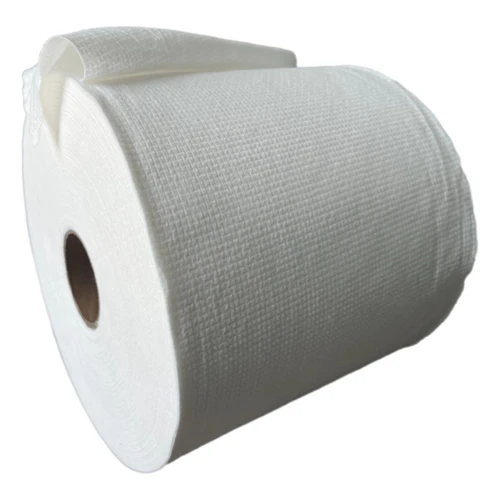
For those who prefer eco-friendly or specialized solutions, plant-based fabrics like lyocell offer the same streak-free performance with a sustainable twist. Products like Pulp Lyocell Low Lint Wipes take this a step further: they're made from pulp lyocell, a biodegradable material, and engineered to be extra lint-free-perfect for surfaces where even a single fiber is a nuisance (think camera lenses or glass tables).
4. Streak-Free Cloths vs. Regular Cleaning Tools: The Hard Truth
Not all cloths are created equal. Let's compare the options with a no-fluff chart:
|
Feature |
Streak-Free Cloths (e.g., Reusable Microfiber Cloths) |
Regular Cotton Rags |
Paper Towels |
|
Lint Residue |
None |
Heavy |
Moderate |
|
Streak Risk |
Near-zero |
High |
Very High |
|
Reusability |
100+ washes |
Few uses (wears out fast) |
Single-use |
|
Abrasiveness |
Non-abrasive |
Can be rough |
Gentle but wasteful |
|
Chemical Need |
Rarely (works with water) |
Requires cleaner |
Requires cleaner |
The takeaway? Regular tools make cleaning harder. Streak-free cloths make it effortless-especially when they're designed for reusability, like Reusable Microfiber Cloths, which cut down on waste and save you money over time.
5. Who Actually Needs a Streak-Free Cloth?
Spoiler: Everyone. Here are the groups that benefit most:
Homeowners: Windows, mirrors, stainless steel appliances, and granite countertops all shine without streaks.
Tech Lovers: Phone screens, laptops, and TVs get clean without scratches or lint.
Car Enthusiasts: No more water spots on windshields or paint-perfect for interior and exterior detailing.
Professionals: Mechanics, lab workers, and anyone in cleanrooms rely on streak-free, lint-free cloths to avoid contamination. For ultra-sensitive environments, ISO Class 4 Cleanroom Wipes are a must-they meet strict standards for particle control, ensuring surfaces stay pristine in even the most demanding settings.
Busy People: Skip re-wiping and get done faster-no more wasting time on "almost clean" surfaces.
6. Pro Tips to Use Streak-Free Cloths Like an Expert
Even the best cloth won't work if you use it wrong. Follow these rules for zero streaks, every time:
Damp, not soaking: Wring out excess water-too much moisture leads to streaks as it evaporates.
Skip the soap (usually): Most jobs only need water. Soap adds residue, which defeats the cloth's purpose.
Clean one surface at a time: Don't transfer dirt from your counter to your glass-rinse the cloth if it gets too dirty.
Wash regularly: A dirty cloth = streaky surfaces. Wash microfiber and lyocell cloths with mild detergent (no fabric softener-it clogs fibers) and air dry or tumble dry on low.
7. Myths Busted: What People Get Wrong About Streak-Free Cloths
Let's set the record straight on common misconceptions:
Myth 1: "They're just expensive rags." → Fact: They're engineered for performance. Regular rags can't replicate the fiber structure that eliminates streaks.
Myth 2: "They only work on glass." → Fact: They're versatile-use them on stainless steel, chrome, wood (dry!), electronics, and even cars.
Myth 3: "You need special cleaner." → Fact: Water is usually enough. For tough grime, use a tiny bit of vinegar or alcohol-no heavy-duty cleaners required.
Myth 4: "All streak-free cloths are the same." → Fact: Quality matters. Look for tightly woven fibers, low-lint designs, and certifications (like ISO Class 4 for cleanroom use) to ensure performance.
8. The Bottom Line: Why Streak-Free Cloths Are a Must-Have
Cleaning shouldn't be a battle against streaks. A good streak-free cloth simplifies the process, saves time, and delivers results that make your space look polished-without harsh chemicals or waste. Whether you opt for Reusable Microfiber Cloths for everyday use, Pulp Lyocell Low Lint Wipes for eco-friendly precision, or ISO Class 4 Cleanroom Wipes for specialized needs, the right cloth turns "meh" cleaning into a breeze.
If you're ready to ditch the streaks for good, Weston Nonwoven offers high-quality streak-free cloths designed for every use case-from home cleaning to industrial settings. Want to test them out? Request your free sample today by emailing info@westonmanufacturing.com. See the difference for yourself-your surfaces (and sanity) will thank you.