The Untold Story of Nature's Hidden Fiber
Beyond the Trees: The Scientific Truth About Wood Pulp
For centuries, wood pulp has been quietly integrated into our daily lives, yet few understand its potential health implications and extensive applications. The very mention of "wood pulp" may conjure images of paper mills and cardboard boxes, but the truth is far more complex and surprisingly relevant to human health and technological innovation.
Wood pulp, at its core, is composed of cellulose fibers derived from trees through mechanical or chemical processes. The health implications of wood pulp depend largely on its processing methods and final applications. Unlike common perception, purified wood pulp contains no harmful chemicals when processed correctly and can be exceptionally biocompatible with human tissue.

The extraction process separates cellulose from lignin, hemicellulose, and other wood components, resulting in a pure fibrous material that forms the basis for numerous applications beyond paper production. When properly manufactured, wood pulp becomes an inert, hypoallergenic material that doesn't leach harmful substances-a fact that makes it suitable for even the most sensitive medical applications.
The Health-Forward Applications of Wood Pulp Technology
The integration of wood pulp into health-related technologies represents one of the most significant yet underappreciated advancements in material science. The secret lies in wood pulp's unique structural properties and its compatibility with the human body.
In medical settings, wood pulp-based products demonstrate remarkable performance. The fibrous structure of wood pulp creates a natural capillary action that wicks moisture away from wounds while maintaining a protective barrier against pathogens. Clinical environments utilize High-Tensile Wood Pulp Fabric for surgical drapes and gowns where strength and absorption are critical. These applications leverage wood pulp's inherent breathability and fluid management capabilities without compromising structural integrity when exposed to moisture.
The environmental benefits of wood pulp products further contribute to human health indirectly. Unlike synthetic alternatives that can persist in ecosystems for centuries, properly engineered wood pulp materials break down naturally, reducing environmental pollution that ultimately affects human health. The production of wood pulp fabrics typically consumes less energy than synthetic alternatives, creating a smaller carbon footprint and contributing to cleaner air quality.
Table: Comparing Wood Pulp Fibers with Other Common Materials
|
Property |
Wood Pulp Fiber |
Cotton |
Synthetic Fibers |
|
Biodegradability |
Excellent |
Good |
Poor |
|
Absorbency |
High |
High |
Variable |
|
Skin Compatibility |
High |
High |
Moderate |
|
Renewability |
Excellent |
Good |
Poor |
|
Production Energy |
Moderate |
High |
High |
The Metabolic Connection: How Wood Pulp Relates to Bodily Functions
Emerging research suggests fascinating connections between wood-derived compounds and human metabolism. While we don't digest wood pulp itself, the phytochemicals found in trees-particularly in berries like elderberry-demonstrate significant metabolic benefits. Recent clinical trials have shown that compounds derived from woody plants can improve glucose tolerance, enhance fat oxidation, and positively influence gut microbiota composition.
These metabolic benefits are attributed to bioactive compounds like anthocyanins, which are found in high concentrations in certain woody plants. The gut microbiome, increasingly recognized as crucial to overall health, responds favorably to these plant-based compounds, with studies showing increased beneficial bacteria and decreased harmful strains following supplementation.
The relationship between wood-derived materials and human health extends beyond consumption. The same structural properties that make wood pulp beneficial internally-such as its fibrous nature that supports digestive health-also make it ideal for external medical applications where moisture management and breathability are essential.
Weston Nonwoven's Innovative Approach to Wood Pulp Applications
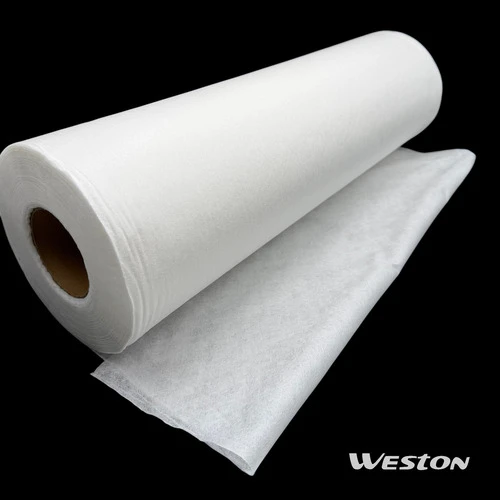
At the forefront of wood pulp innovation, Weston Nonwoven has engineered specialized materials that leverage wood pulp's natural advantages while eliminating potential drawbacks. Their technical expertise transforms this natural material into high-performance fabrics suitable for demanding applications.
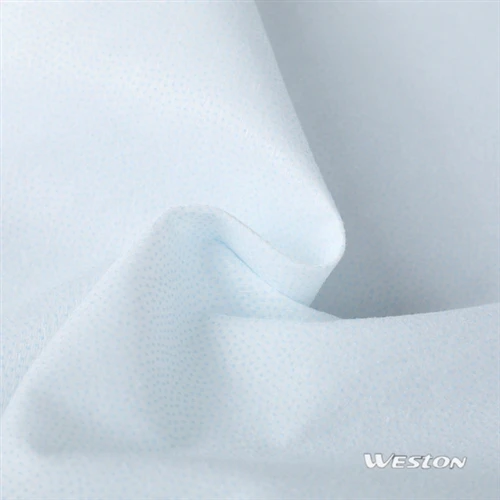
The Non-woven Spunlace Dust Cover represents a prime example of health-conscious engineering. By utilizing wood pulp fibers in a spunlace nonwoven construction, Weston creates protective barriers that prevent particulate contamination in sensitive environments. This application is particularly valuable in medical facilities, laboratories, and clean rooms where air quality directly impacts health outcomes.
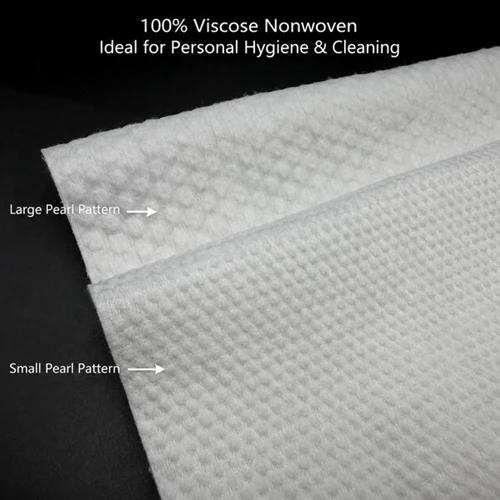
Weston's Machine Cleaning Scale Texture Spunlace technology demonstrates another health-protective application. The unique textured surface provides superior cleaning capabilities without requiring harsh chemicals, reducing chemical exposure in industrial and medical settings. The material's inherent absorbency and softness make it ideal for infection control while remaining gentle on sensitive skin.
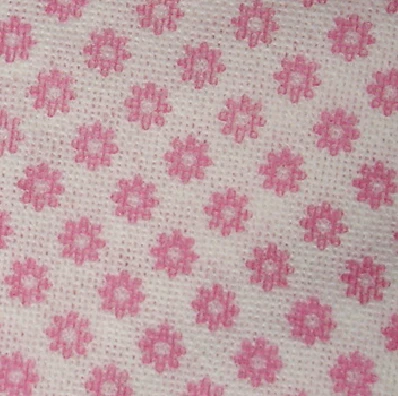
Perhaps most impressive is Weston's development of Spunlace Creped Nonwoven Fabric, which combines wood pulp with synthetic fibers to create a material that offers the best of both worlds: the absorbency and sustainability of natural fibers with the durability and strength of synthetics. This advanced fabric is particularly suitable for reusable medical textiles that require repeated sterilization without performance degradation.
The Safety Spectrum: Addressing Concerns About Wood Pulp

When discussing whether wood pulp is healthy, we must address legitimate concerns about its applications. Critics rightly question the use of wood pulp in some food applications as extenders, though it's crucial to distinguish between highly processed cellulose and the engineered forms used in medical and technical textiles.
The purification process employed by reputable manufacturers ensures that any potentially problematic compounds-such as lignin residues or processing chemicals-are completely eliminated from the final product. Advanced testing methodologies verify biocompatibility, ensuring that wood pulp-based materials don't provoke immune responses or create environments conducive to microbial growth.
For those with heightened chemical sensitivities, wood pulp-based textiles often present fewer reactivity issues than synthetics treated with chemical softeners, water repellents, or permanent press formulations. The natural origin of wood pulp fibers means they're less likely to require the extensive chemical finishing common in fully synthetic fabrics.
The Future of Wood Pulp in Health Technology
The trajectory of wood pulp technology points toward increasingly sophisticated health applications. Researchers are developing wood pulp-based scaffolds for tissue engineering, leveraging the fibrous structure to support cell growth. The high surface area and modifiable chemistry of wood pulp fibers make them ideal candidates for advanced wound dressings that actively promote healing rather than simply providing a protective barrier.
The environmental health benefits of wood pulp continue to drive innovation. As concerns about microplastic pollution grow, wood pulp offers a natural alternative that degrades without leaving persistent waste. This advantage is particularly relevant in single-use medical applications where infection control necessitates disposal but environmental impact remains a concern.
Weston Nonwoven continues to pioneer these advancements, recognizing that true health protection extends beyond immediate applications to encompass broader environmental impacts. Their commitment to refining wood pulp technologies demonstrates how traditional materials can find new relevance through innovative engineering.
Explore the potential of wood pulp in your applications. Request a free sample at info@westonmanufacturing.com to experience firsthand how these advanced materials perform. The evidence is clear: when properly engineered, wood pulp represents not just an acceptable material but a superior choice for health-conscious applications that don't compromise performance or environmental responsibility.