Wood pulp is not just "ground-up wood"-it's an engineered fiber powerhouse that shapes products we use every single day, from the wipes that clean our hands to the absorbent layers that keep babies dry. Derived from processed softwoods (like pine) or hardwoods (like birch), its unique structure-long, flexible fibers with tiny pores-gives it superpowers no synthetic material can fully replicate. Let's break down why wood pulp matters, where it shines, and even where it faces challenges.

The Core Traits That Make Wood Pulp Irreplaceable
Before diving into uses, let's start with the science: wood pulp's strengths are baked into its fiber.
First, unmatched absorbency. Wood pulp fibers can hold up to 15 times their weight in liquid-far more than cotton or synthetic fibers like polyester. This isn't just "soaking up water": the fibers' porous structure traps moisture at a molecular level, preventing leaks. Industry tests confirm this makes it ideal for products that need reliable wetness management.
Second, biodegradability. Unlike plastics that linger in landfills for centuries, wood pulp breaks down naturally in months, thanks to enzymes that break down its cellulose structure. In an era of eco-anxiety, this is a game-changer for single-use products.
Third, fiber flexibility. Wood pulp can be processed into thin sheets, fluffy layers, or strong nonwoven fabrics-all while retaining its strength. This adaptability lets it fit into industries as varied as healthcare and heavy manufacturing.
These traits aren't accidents: modern processing (like chemical or mechanical pulping) refines fibers to boost these properties-something Weston Nonwoven, a Spunlace Manufacturer since 2003, has mastered in its quest for high-end spunlace products.
Wood Pulp in Daily Hygiene: Comfort That Works Hard
If you've ever used a diaper, sanitary pad, or facial tissue, you've relied on wood pulp. Its absorbency makes it the backbone of hygiene products, where "leak-proof" isn't just a selling point-it's a necessity.
Take absorbent layers: Weston Nonwoven's Fluff Pulp PP Absorbent Layer is a perfect example. This product combines wood pulp (for moisture capture) with polypropylene (PP, for structure) to create a layer that soaks up liquid fast and locks it in. Unlike all-synthetic layers, the wood pulp adds softness-critical for sensitive skin-while the PP prevents the pulp from clumping. It's why this layer is a staple in adult incontinence products and baby diapers: it balances performance with comfort.
Even facial tissues owe their "gentle yet strong" quality to wood pulp. The fibers are refined to be extra fine, so they don't irritate skin but still hold together when wet. No synthetic fiber can match this mix of softness and durability-another win for wood pulp.
Cleaning Reinvented: Wood Pulp's Role in Wipes
Wipes are everywhere-from kitchen counters to industrial machines-and wood pulp is why they work. Its ability to trap dirt, oil, and moisture makes it the ideal base for both daily and heavy-duty cleaning.
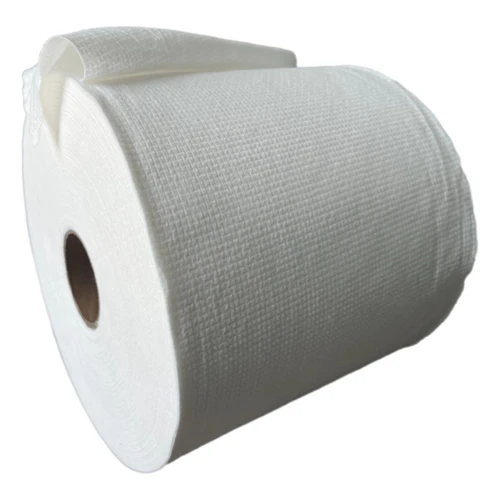
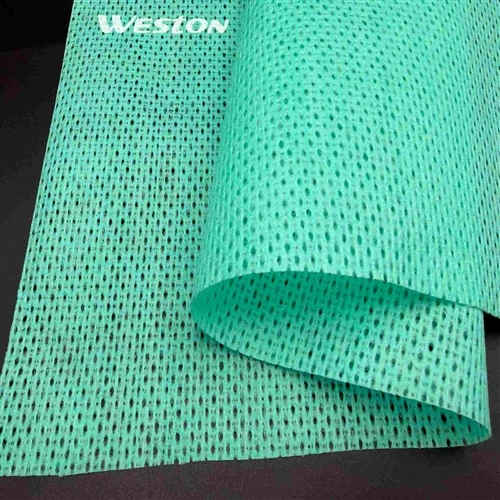
Let's start with heavy-duty needs: Heavy-Duty Degreasing Wipes. These wipes tackle grease on car engines, workshop tools, or restaurant grills-and their power comes from wood pulp. The fibers' porous structure acts like tiny sponges, adsorbing oil molecules instead of just pushing them around. Unlike paper towels, which tear when wet with oil, wood pulp-based wipes stay strong, thanks to processing like spunlace (a technique that bonds fibers without glue). Weston Nonwoven uses Grey Wood Pulp Spunlace Nonwoven Fabric Roll as a base for these wipes: the spunlace process enhances fiber strength, making the wipes durable enough for industrial use.
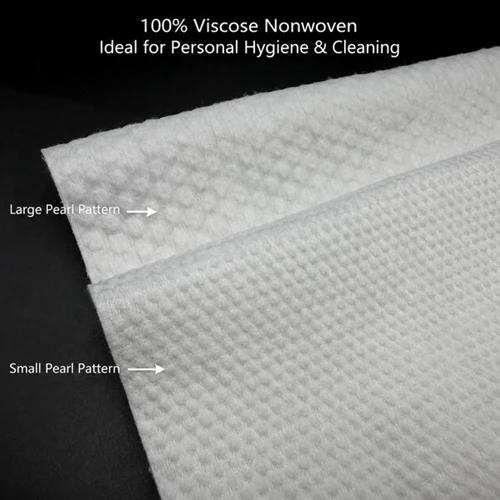
For daily use, there are Refreshing Cooling Wet Wipes. These are designed for skin-think post-workout or cooling down on a hot day-and wood pulp's softness is key. The fibers are refined to be ultra-smooth, so they don't scratch skin, while their absorbency holds the cooling solution (like aloe or menthol) evenly. Again, the base often starts with Grey Wood Pulp Spunlace Nonwoven Fabric Roll: the spunlace method creates a lightweight, breathable fabric that feels fresh against skin.
What makes these wipes better than synthetic alternatives? Synthetic wipes can leave residue (from plastic fibers) or irritate skin. Wood pulp wipes? They're biodegradable (so they don't clog drains) and gentle-two big pluses for both users and the planet.
Industrial & Medical Frontiers: Wood Pulp's Unsung Impact
Wood pulp isn't just for daily use-it's a workhorse in industries you might never see.
In manufacturing, it's used in filtration systems. Wood pulp fibers can be woven into filters that trap dust, chemicals, or even microscopic particles (like in water treatment plants). Their porous structure lets air or water flow through but catches impurities-something synthetic filters struggle with, as they often block flow or miss small particles.
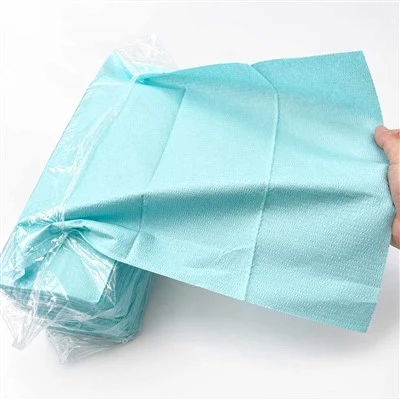
In healthcare, wood pulp is critical for disposable medical products. Think surgical drapes, wound dressings, or exam wipes. These products need to be sterile, absorbent, and gentle-and wood pulp delivers. For example, surgical drapes made with wood pulp-based nonwovens absorb blood and fluids, keeping the operating area clean while remaining soft enough to avoid irritating patients. Weston Nonwoven, as a leader in high-end spunlace products since 2003, focuses on refining these medical-grade materials: their spunlace process ensures fibers are evenly distributed, reducing the risk of lint (which can contaminate sterile areas).
Even emerging fields are turning to wood pulp. Researchers are testing it as a base for battery separators (a key part of EV batteries), thanks to its ability to hold electrolytes and resist heat. It's a bold new use-one that shows wood pulp's potential isn't limited to traditional industries.

The Balance Sheet: Wood Pulp's Strengths and Challenges
To be rigorous, we can't ignore wood pulp's limitations-its strengths are clear, but challenges exist.
Strengths Recap:
Unbeatable absorbency for hygiene and cleaning.
Biodegradable, reducing environmental harm.
Flexible enough for daily, industrial, and medical use.
Soft and skin-friendly, unlike many synthetics.
Challenges:
Raw material reliance: Wood pulp comes from trees, so sustainable forestry is critical. Overharvesting can harm ecosystems-but responsible suppliers (including Weston Nonwoven) source pulp from certified forests, where trees are replanted.
Processing energy: Making wood pulp requires water and energy (especially chemical pulping). However, advances like Weston's efficient spunlace production cut down on waste, making the process greener.
Moisture sensitivity: Pure wood pulp breaks down in long-term wet conditions (e.g., outdoor filters). This is why products like Fluff Pulp PP Absorbent Layer combine pulp with PP-fixing the issue while keeping pulp's benefits.
Weston Nonwoven: Turning Wood Pulp into High-End Solutions
Since 2003, Weston Nonwoven has focused on one goal: turning wood pulp's natural strengths into high-performance spunlace products. As a trusted Spunlace Manufacturer, the company doesn't just make materials-it solves problems.
Whether it's the Grey Wood Pulp Spunlace Nonwoven Fabric Roll (the base for durable wipes and medical fabrics), Heavy-Duty Degreasing Wipes (tackling industrial grease), Refreshing Cooling Wet Wipes (keeping skin fresh), or Fluff Pulp PP Absorbent Layer (redefining hygiene absorbency), every product leverages wood pulp's best traits-while fixing its flaws.
Weston's commitment to innovation means it's always refining its processes: making spunlace fabrics stronger, more absorbent, and more eco-friendly. And for businesses looking to test these solutions? Free samples are available-just reach out to info@westonmanufacturing.com.
Wood pulp's true power lies in its versatility. It's not a "basic" material-it's a foundation for products that make our lives cleaner, more comfortable, and more sustainable. And with manufacturers like Weston Nonwoven pushing its potential, wood pulp will keep playing a key role in the industries of tomorrow.