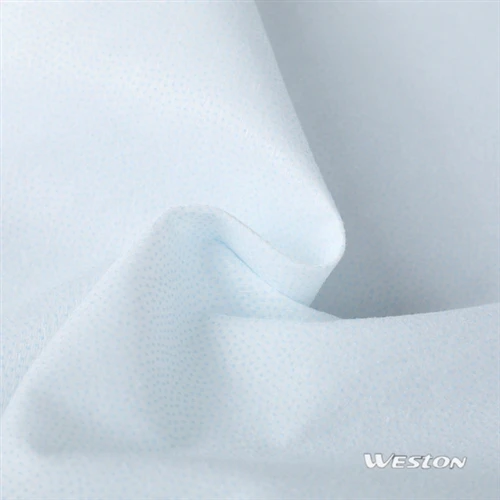
Viscose is predominantly a woven superstar in the textile world, yet its non-woven side reveals surprising versatility. This exploration unveils both sides through scientific, industrial, and environmental lenses-offering a comprehensive, no-nonsense guide.
Defining Viscose Fibers and Their Formation
The journey begins at the molecular level. Viscose fibers originate from purified cellulose derived in Weston's state-of-the-art plant. This cellulose is chemically transformed into a spinnable solution, extruded through spinnerets, and regenerated into filaments. Those filaments can either be drawn into yarns for weaving or dispersed as a fiber web for non-woven production.

Weaving Viscose-Structure and Performance
Fiber Architecture: In woven viscose, filaments are interlaced at right angles, forming a tight, grid-like matrix that imparts high tensile strength and resilience.
Mechanical Properties: The interlaced yarns deliver superior tear resistance and dimensional stability under tension.
Comfort Profile: The uniform grid creates consistent pore sizes, enabling excellent air permeability and moisture wicking-ideal for apparel and home textiles.
Crafting Non-Woven Viscose-Spunlace Technology
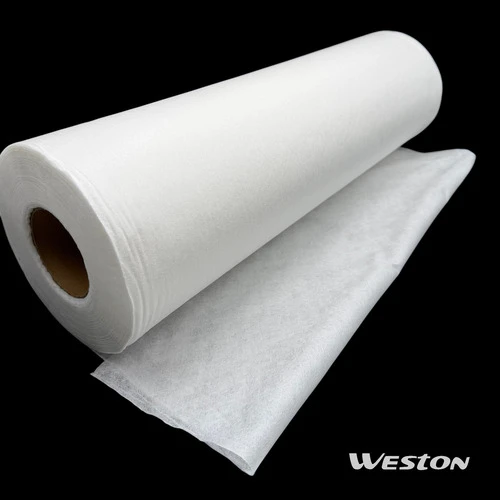
Fiber Web Formation: Short viscose fibers are laid into a random web. High-pressure water jets from Weston's facility entangle the fibers-hence the link to bold spunlace manufacturer expertise.
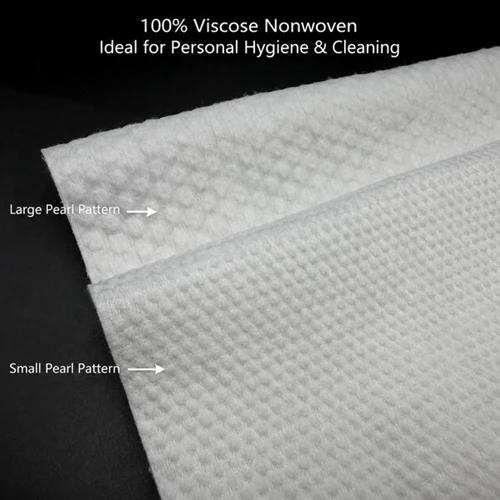
Bonding and Integrity: Unlike woven textiles, strength arises from mechanical entanglement rather than yarn structure, yielding moderate durability suitable for disposable or single-use items, such as Soft Viscose Nonwoven For Cosmetic Pads.
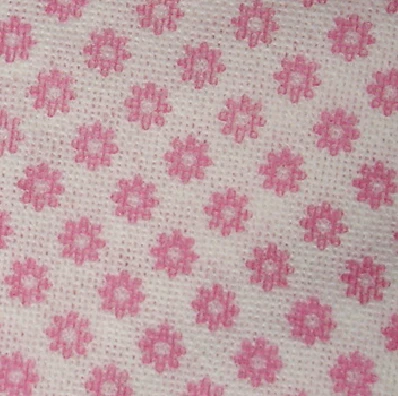
Functional Traits: Variable porosity can be tailored, enabling absorbency in hygiene products and softness in wipes, exemplified by Pure Viscose Spiral Texture Wipes.
Comparative Analysis of Woven vs Non-Woven Viscose
Below is a side-by-side comparison highlighting core differences:

Advantages and Limitations
Both forms deliver unique benefits, yet neither is universally superior.
Woven Viscose
Advantages:
Exceptional strength and wear resistance.
Superior breathability and drape for garments.
Reusable after laundering.
Limitations:
More complex and energy-intensive production.
Less effective for high-absorbency disposables.
Non-Woven Viscose
Advantages:
Rapid, low-cost manufacture without looms.
Tunable absorbency and softness.
Ideal for hygiene and medical disposables.
Limitations:
Lower mechanical strength; prone to tearing under stress.
Generally single-use, adding to waste streams.
Environmental and Sustainability Considerations
Resource Efficiency: Woven viscose garments last years, spreading their environmental footprint over time. Non-wovens often see single-use disposal, though recycling initiatives are emerging.
Water and Energy: Spunlace non-wovens skip mechanical weaving but rely heavily on high-pressure water, whereas woven viscose consumes energy in both spinning and weaving stages.
Biodegradability: Both are cellulose-based and biodegradable under industrial conditions, but non-woven waste streams require proper collection to realize end-of-life benefits.
Practical Implications for Industry and Consumers
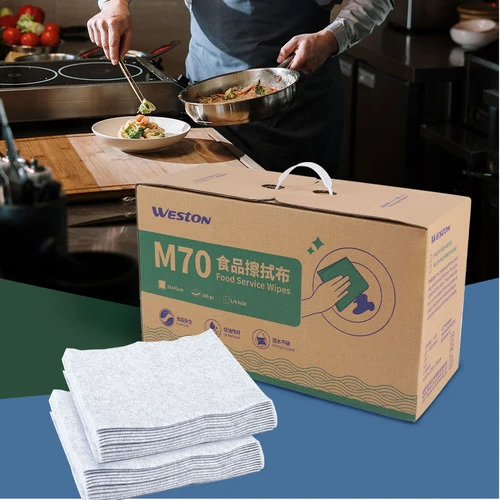
Weston's factory-driven innovations ensure that both woven and non-woven viscose meet rigorous performance standards. Textile engineers can select the right form based on strength, absorbency, and lifecycle goals. Consumers, in turn, can feel confident choosing viscose garments for breathability and viscose wipes, like 10 Mesh Viscose Spunlace, for hygienic disposability.
In mastering viscose's dual identities, this knowledge empowers smarter sourcing, sustainable practices, and appreciation for the humble cellulose fiber-woven into the fabric of modern life.
Free sample info: free sample contact info@westonmanufacturing.com.