Wood pulp is commonly linked to the idea of being a natural product due to its origin from trees, but the reality is layered and fascinatingly complex. To understand whether wood pulp is truly natural, we need to dive deep beyond initial impressions, exploring its origins, chemical transformations, environmental impact, and industrial applications. Let's unpack these dimensions to reveal the story behind wood pulp.

What Exactly is Wood Pulp?
Wood pulp is the fibrous material derived from wood, principally composed of cellulose, which constitutes the cell walls of plants. The process begins with harvesting wood from trees-a naturally occurring resource. However, the journey from raw wood to wood pulp is both mechanical and chemical.
There are two main methods of producing wood pulp: mechanical and chemical pulping. Mechanical pulping physically grinds logs into pulp, retaining most of the wood's components, while chemical pulping dissolves lignin (the substance binding cellulose fibers), leaving behind mostly cellulose fibers. This fundamental transformation is vital to what we use as wood pulp in various industries.
Is Wood Pulp Truly Natural? A Scientific Perspective
If we define 'natural' as originating from nature without alteration, then wood pulp's claim is questionable because it undergoes substantial human-induced changes.
Cellulose, the main component of wood pulp, is indeed natural and biodegradable. However, during chemical pulping, synthetic chemicals like sodium sulfide and sodium hydroxide are used to remove lignin, fundamentally altering the wood's structure and chemistry. These processing steps suggest that wood pulp is a semi-processed natural material rather than something purely natural.
Moreover, bleaching processes often use chemicals such as chlorine dioxide to whiten pulp, further pushing wood pulp away from a purely natural state.
Environmental Considerations: Sustainability vs Processing
From an ecological standpoint, wood pulp's naturalness is closely tied to how sustainably the raw wood is sourced rather than just its chemical makeup. Responsible forestry practices ensure trees are replanted, biodiversity is maintained, and ecosystems remain balanced, lending more credence to labeling the end product as natural.
Conversely, pulp production can involve energy-intensive processes and chemical usage, which carry environmental burdens. The disposal and treatment of chemical effluents from pulp mills affect water and soil quality if not managed responsibly.
Therefore, while the starting material (wood) is natural, the overall environmental footprint depends on how the pulp is produced and managed.

Wood Pulp in Industry: A Blend of Nature and Technology
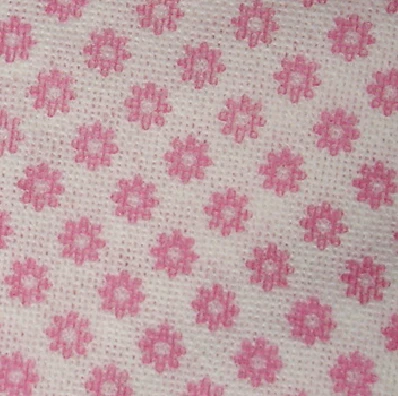
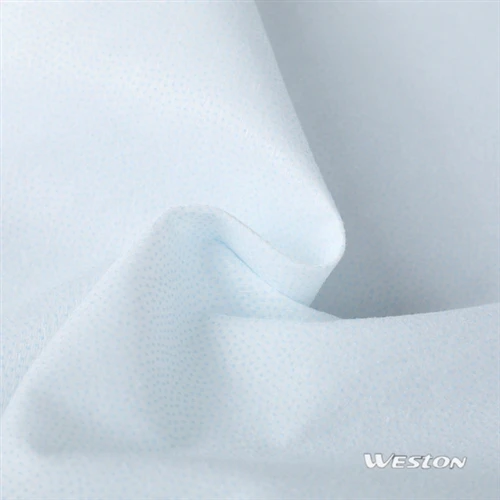
Wood pulp is a cornerstone material for many products-from paper to textiles and hygiene products. For instance, the Weston Nonwoven factory applies wood pulp in creating specialized products such as Pull-Up Dispensing Embossed Spunlace Nonwoven, Single Layer Composite Spunlace Nonwoven Fabric, and Purple Spunlace Nonwoven Fabric Rolls. These combine wood pulp-derived fibers with advanced manufacturing techniques, blending natural fibers with technological innovation.
One notable application is in the production of Automotive Machinery Oil Cleaning Wipes, which leverage wood pulp's absorbency enhanced through nonwoven fabric technology. These products underscore how raw natural materials are transformed and engineered to meet diverse modern demands.
This interplay between raw natural fibers and human innovation complicates the notion of what 'natural' means in a practical context.
The Pros and Cons of Wood Pulp's 'Naturalness'
Pros
Derived from renewable resources: Wood pulp originates from trees, a renewable source if harvested sustainably.
Biodegradable: Unlike synthetic fibers, cellulose-based wood pulp biodegrades, reducing long-term environmental impact.
Versatile: It is adaptable for producing an array of materials from paper to nonwoven fabrics.
Cons
Chemical processing: The use of chemicals in pulping and bleaching alters its natural state.
Environmental impact: Energy use and chemical waste from pulp mills can harm ecosystems.
Deforestation risk: Without stringent forestry management, sourcing wood pulp can contribute to deforestation.
Why Does This Debate Matter?
Understanding the complexity behind wood pulp's 'natural' label informs better consumer choices and policy decisions. It helps distinguish products based on their lifecycle impacts-from raw sourcing to processing and disposal-encouraging more sustainable practices.
Wrapping It Up
Wood pulp sits at a crossroads between natural origin and human transformation. It begins as a natural material-tree cellulose-but extensive chemical and mechanical processes modify it considerably. Environmentally, its sustainability depends on responsible forestry and industrial practices.
Products such as those from Weston Nonwoven show how technology and nature blend to create functional materials that serve modern needs-think of Pull-Up Dispensing Embossed Spunlace Nonwoven, Single Layer Composite Spunlace Nonwoven Fabric, and others that optimize wood pulp's properties.
If you want to learn more or explore samples from the Weston Nonwoven factory's innovative offerings, contact info@westonmanufacturing.com for free samples.