Is Lyocell a Good Quality Fabric?
Lyocell has evolved from a specialty regenerated cellulose to a platform fiber spanning apparel, bedding, and nonwoven engineering. "Good quality" here means repeatable mechanical performance, comfort physiology, surface integrity, hygiene behavior, and a responsible process footprint across the product life cycle. From a scientific standpoint, lyocell is a high-quality fabric system-provided its fibrillar surface is properly controlled and end-use engineering is aligned with the environment of use.

What Lyocell Is-and Why Its Structure Matters
Lyocell is produced by directly dissolving purified wood pulp in an organic solvent system and regenerating highly oriented cellulose filaments. The result is a microfibrillar architecture with:
Elevated crystallinity and orientation (strong hydrogen-bond network).
High dry tenacity and comparatively high wet modulus for a cellulosic fiber.
Intrinsic hydrophilicity and moisture regain.
These features explain its unusual combination: strong yet soft, breathable yet structurally stable, dye-receptive yet capable of low-lint nonwovens when hydroentangled.
Mechanical Performance: Strength, Modulus, and Surface Integrity
Strength and modulus: Lyocell's dry tenacity typically exceeds most regenerated cellulosics, and its wet modulus remains robust because microfibrils maintain alignment when hydrated.
Abrasion and fibrillation: Under wet abrasion, surface microfibrils can split (fibrillate), creating fuzz and a suede-like halo. Enzymatic bio-polishing, controlled alkali exposure, and calender/heat-set significantly mitigate this, transforming surface hand from vulnerable to resilient.
Dimensional stability: With proper washing and heat-setting, dimensional change is predictable. Over-aggressive mechanical action can provoke surface fibrillation, so finishing discipline is pivotal.
Bottom line: Intrinsic strength is high; perceived quality hinges on finishing that governs the microfibril surface.
Comfort Science: Moisture Transport and Skin Interface
Moisture management: High moisture regain and capillary channels draw perspiration away from skin, promoting evaporative cooling and reducing clamminess.
Thermal buffering: By absorbing and releasing moisture, lyocell moderates microclimate swings between activity and rest.
Skin friction: Post-finishing smoothness, good drape, and low surface energy variation reduce irritation. In nonwovens, low-lint lyocell structures help minimize particulate residue on sensitive skin.
These mechanisms make lyocell credible for base layers, bedding, and hygiene substrates where comfort is physiological, not merely tactile.
Hygiene and Microbiology
Lyocell is not inherently antimicrobial; quality arises from moisture dynamics and clean surface chemistry:
Fast moisture dispersion shortens the window favorable to microbial proliferation.
Pure cellulose offers limited nutrient availability on the fiber surface.
For hygiene-grade wipes and pads, engineered porosity and entanglement boost pick-up and lower lint, improving functional cleanliness without relying on biocides.
Color Science and Process Control
Dye affinity: Reactive dye systems form covalent bonds with cellulose, enabling deep, level shades and strong fastness when fixation and soaping are controlled.
Process caveat: Excess alkaline swelling can invite fibrillation. Controlled pH, temperature, and enzyme polishing preserve a sleek surface without sacrificing shade depth.
Environmental Footprint and End-of-Life
Process ecology: Closed-loop solvent recovery minimizes emissions and avoids certain legacy intermediates typical of older viscose routes. Water and energy footprints depend on mill design and pulp sourcing.
End-of-life: Lyocell's cellulose backbone is biodegradable and compostable under suitable conditions. Finishes and blend partners modulate biodegradation kinetics and should be selected accordingly.
In single-use nonwovens, cellulosic-only constructions reduce persistence in the environment when disposed of appropriately.
Thermal and Chemical Tolerance
Heat behavior: Like other cellulosics, lyocell chars rather than melts. Moderate ironing and drying temperatures protect tensile properties.
Chemical compatibility: Stable with water, mild detergents, and many alcohol-based cleaners; sensitive to strong alkali and oxidizers. In industrial wipes, solvent compatibility should be validated against the target chemical set.
Nonwoven Engineering: Hydroentangled Performance
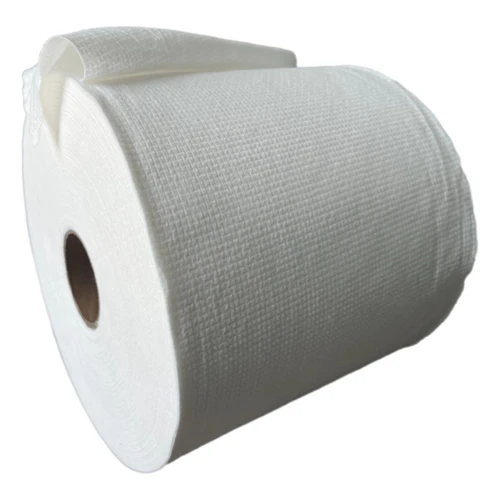
In spunlace (hydroentangled) nonwovens, lyocell's fiber physics translate into binder-free strength, bulk, and absorbency:
Entanglement: High-pressure water jets interlock fibers, tuning strength and softness without polymer binders.
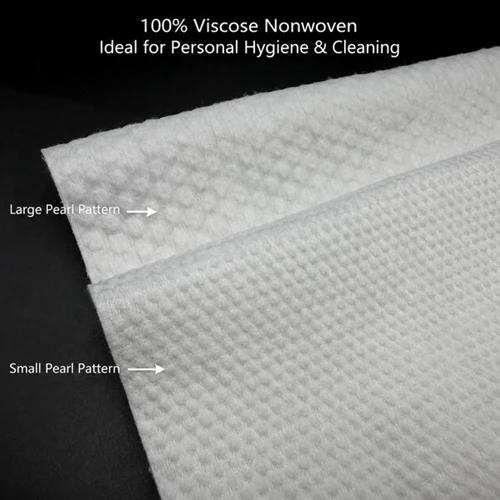
Architecture: Basis weight, jet energy, and patterning control bulk, friction, and lint.
Low lint: Specifying fiber length distribution and entanglement density reduces particulate release for precision tasks.
Application-oriented examples include:
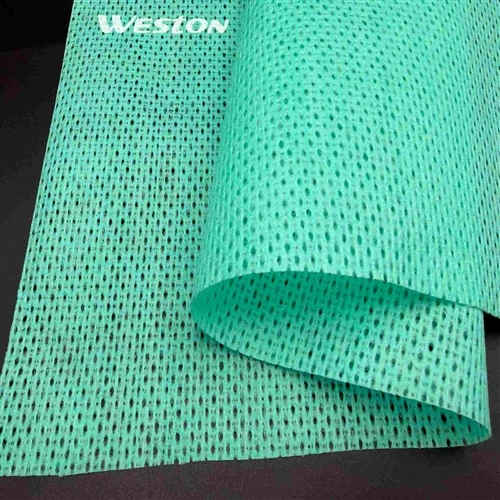
Textured high-grip constructs such as the High-friction Lyocell Spunlace Fabric for demanding wipe-down tasks.
Synergistic blends like Lyocell And Bamboo Fiber Spunlace balancing softness and moisture transport.
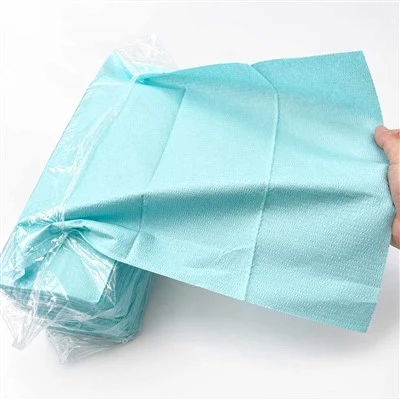
Personal-care substrates such as Biodegradable Lyocell Cleansing Pads targeting gentle skin contact with reduced residue.
Controlled-particulate options like Pulp Lyocell Low Lint Wipes for environments sensitive to fiber shed.

Lifecycle Durability and Care
Washing: Gentle mechanical action and moderate temperatures maintain hand and shape. Avoid harsh alkali that can roughen the surface.
Wrinkling: Better crease recovery than some cellulosics, but not wrinkle-immune; fabric construction and finishes dominate outcomes.
Odor: Accelerated drying and moisture transport indirectly reduce odor retention.
With appropriate finishing and care, lyocell maintains functional quality over extended use cycles.
Strengths and Trade-offs at a Glance
Strengths:
High dry and wet strength for a cellulosic.
Excellent moisture handling and breathability.
Smooth hand and drape post-finishing; skin-friendly interfaces.
Strong dye affinity with good fastness when well processed.
Biodegradable backbone and closed-loop solvent processing.
High-performance spunlace nonwovens with low lint potential.
Trade-offs:
Susceptible to surface fibrillation if finishing is inadequate.
Sensitive to strong alkali/oxidizers; needs thermal care.
No inherent biocidal properties; hygiene benefits are physical, not chemical.
Net assessment: On scientific and engineering grounds, lyocell is a high-quality fabric platform-its excellence realized when fiber selection, processing, and end-use specifications are harmonized.
Frequently Asked Technical Questions
Is lyocell suitable for sensitive skin?
Yes. With polished surfaces and low-lint engineering, lyocell minimizes irritation and residue.
Can lyocell be tuned for high-friction cleaning?
Yes. Textured hydroentangled webs and basis-weight control deliver higher grip and debris capture, as in High-friction Lyocell Spunlace Fabric formats.
Are there biodegradable single-use options?
Yes. Cellulose-only designs such as Biodegradable Lyocell Cleansing Pads support reduced persistent waste, assuming compatible finishes.
What about low lint for precision tasks?
Dense entanglement and carefully selected pulp-based fibers, e.g., Pulp Lyocell Low Lint Wipes, minimize shed.
Can blends improve robustness?
Blends can temper fibrillation, optimize softness/strength, and tune absorbency; examples include Lyocell And Bamboo Fiber Spunlace structures.
Final Perspective
Is lyocell a good quality fabric? Yes-when judged across mechanics, comfort physiology, color science, environmental metrics, and process robustness. Its microfibrillar architecture and solvent-spun manufacturing confer strengths rare among regenerated fibers. The caveat is consistent: quality is the outcome of disciplined finishing and application-specific engineering. When that chain is intact, lyocell delivers performance with responsibility.
For technical dialogue or a free sample request: info@westonmanufacturing.com