Do Compostable Bags Really Break Down? What Happens to Wood Pulp PLA Bags After Use
Yes-but only when they reach the right composting environment. A Weston Nonwoven Eco-Friendly Wood Pulp PLA Bag is designed to break down far more readily than conventional plastic, yet "compostable" does not mean it will disappear in a cupboard, landfill, ocean, or an ordinary backyard heap.
This guide explains what actually happens after use, why the wood pulp and PLA combination matters, and how brands and consumers can dispose of these bags responsibly.
What Is a Wood Pulp PLA Bag?
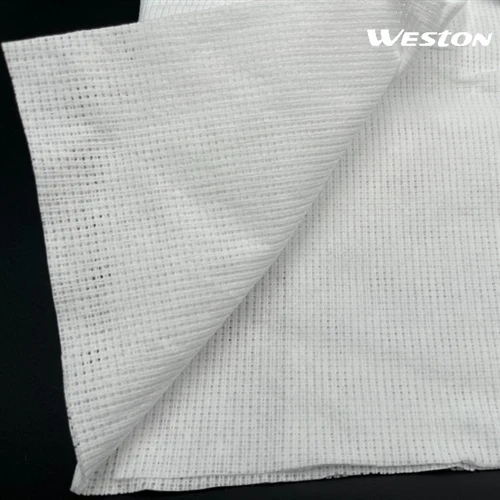
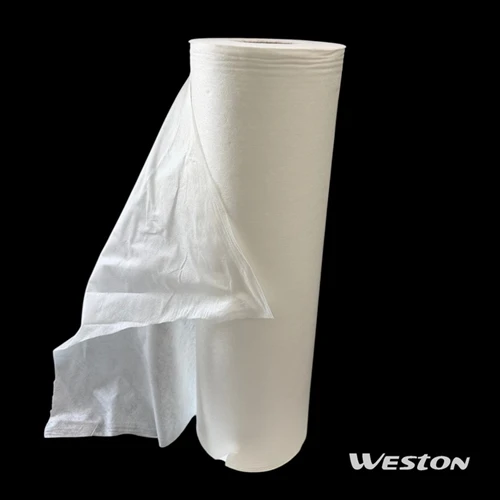
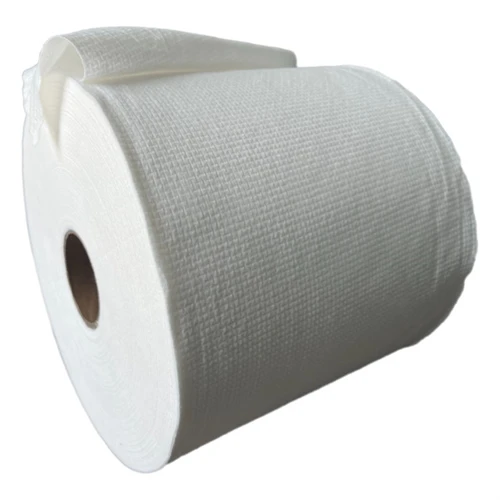
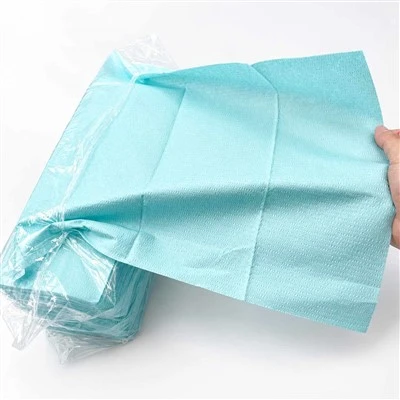
Weston's Eco-Friendly Wood Pulp PLA Bag combines wood pulp fibers with PLA (polylactic acid) in a spunlace nonwoven structure. PLA is a bio-based polymer commonly derived from renewable plant feedstocks such as corn starch or sugarcane, while wood pulp contributes absorbency, softness, and a natural fiber feel.
The fabric is formed through hydroentanglement-high-pressure water jets entangle the fibers into a coherent nonwoven sheet without relying on a conventional adhesive binder. That simpler fiber structure is one reason wood pulp PLA nonwovens are attractive for eco-oriented tote bags and packaging.
|
Component |
What it contributes |
What happens in composting |
|
Wood pulp |
Absorbency, softness, natural cellulose structure |
Cellulose can be consumed by microbes under suitable composting conditions. |
|
PLA |
Structure, strength, textile-like handle |
Breaks down through hydrolysis followed by microbial digestion under controlled composting conditions. |
|
Spunlace structure |
Tear resistance and usable bag performance |
The nonwoven web breaks apart as its fibers degrade; speed depends on temperature, moisture, oxygen, and microbes. |
The Short Answer: Yes, But Not Everywhere
A compostable bag is not a bag that "dissolves" whenever it gets wet. It is a material engineered to be metabolized by microorganisms when heat, moisture, oxygen, and active microbial communities are present.
PLA is the key material to understand. In an industrial composting facility, sustained warmth and humidity first cause PLA polymer chains to hydrolyze into smaller lactic-acid fragments; bacteria and fungi then consume those fragments and convert them into carbon dioxide, water, and biomass.
In contrast, a typical home compost bin rarely maintains the sustained high temperatures PLA needs. At ordinary ambient temperatures, PLA degradation can slow dramatically or effectively stall, meaning the bag may remain intact for years.
What Happens After Use: A Realistic Timeline
The destination matters more than the label.
|
End-of-life route |
Likely outcome for a wood pulp PLA bag |
|
Industrial composting |
Best-case route: heat, moisture, aeration, and microbes support breakdown into water, carbon dioxide, and biomass. |
|
Home composting |
Uncertain: cellulose may break down, but PLA often needs higher sustained temperatures than a backyard pile provides. |
|
General waste / landfill |
Not the intended route: limited oxygen and less controlled microbial activity can prevent effective composting. |
|
Litter or natural environment |
Not acceptable: compostable does not mean the bag will safely degrade if discarded outdoors. |
|
Plastic recycling bin |
Avoid: compostable plastics can contaminate conventional plastic recycling streams. |
A useful way to think about it is this: a compostable bag is a material promise, not a disposal shortcut. The promise is fulfilled only when the bag enters a system equipped to finish the job.
How PLA Breaks Down
PLA degradation happens in two broad stages:
Hydrolysis: Heat and moisture weaken and split the long PLA polymer chains into smaller molecules, including lactic-acid oligomers and monomers.
Microbial digestion: Microorganisms metabolize those smaller molecules, ultimately producing carbon dioxide, water, and biomass.
Industrial composting conditions are typically warm-often cited around 55–60°C or higher-with controlled moisture and aeration. These conditions accelerate both the chemical and biological stages of breakdown.
Wood pulp behaves differently because it is cellulose-based. Microorganisms can break down cellulose more readily than PLA under many composting conditions, but the finished bag's overall breakdown rate is still governed by its full construction, thickness, finishes, contamination, and the composting environment.
Why "Compostable" Is Not the Same as "Biodegradable"
These terms are often used interchangeably, but they are not identical.
Biodegradable means microorganisms can eventually break a material down, but it does not specify how quickly or under what conditions.
Compostable means the material is intended to break down in a composting process, ideally leaving no problematic visible residue.
Certified compostable is the more meaningful claim because it refers to testing against a recognized standard rather than a general marketing description.
For buyers, the practical question is not simply "Is it PLA?" It is: Which compostability standard does the finished bag meet, and where can my customers actually compost it? Independent standards commonly referenced for compostable plastics include ASTM D6400 in North America and EN 13432 in Europe; home-composting claims require separate verification.
The Wood Pulp Advantage
The value of Weston's wood pulp PLA construction is not that it makes disposal automatic. It is that it reduces dependence on fully fossil-based plastic while retaining practical bag performance.
Wood pulp brings natural cellulose into the material, while PLA provides a more textile-like structure and strength. Together, they create a nonwoven tote that can support eco-conscious retail, promotional, and packaging programs without relying on conventional polypropylene nonwovens.
This matters because many so-called reusable nonwoven bags are made from polypropylene. A PP bag may be a better choice than single-use plastic if it is reused many times, but it does not biodegrade in the same way as a cellulose- and PLA-based material and can fragment into persistent microplastics over time.
How to Use and Dispose of One Properly
For consumers:
Reuse the bag as long as it remains clean and functional; extending useful life is still the most sustainable first step.
Keep it dry and away from prolonged heat or direct sunlight during storage.
Do not place it in conventional plastic recycling.
Check local rules before placing it in food or garden waste; some municipal systems accept certified compostable liners, while others do not.
If no industrial composting access exists, dispose of it according to local residual-waste guidance rather than littering or assuming backyard composting will work.
For brands and procurement teams:
- Ask for the finished bag's compostability documentation, not only the raw material specification.
- Confirm whether the claim is for industrial composting, home composting, or both.
- Print clear disposal instructions directly on the bag.
- Avoid adding non-compostable coatings, laminates, or accessories that could undermine the end-of-life claim.
Communicate honestly: "industrial compostable where facilities exist" is more credible than a vague "eco-friendly" message.
A Better Way to Talk About Sustainability
The most useful claim is not "this bag disappears." It is:
A wood pulp PLA bag is designed to reduce fossil-plastic reliance and can break down in appropriate composting conditions-especially industrial composting-when correctly collected and processed.
That statement solves the real customer concern: people want to know whether choosing this bag genuinely changes what happens after disposal. The honest answer is that it can, provided the bag is used, collected, and composted within a system that supports its material design.
Weston's Eco-Friendly Wood Pulp PLA Bag is therefore best positioned as a responsible alternative for eco-driven brands and OEM programs: renewable-fiber-based, customizable, and designed for compostable end-of-life pathways-not as a license to discard it anywhere.