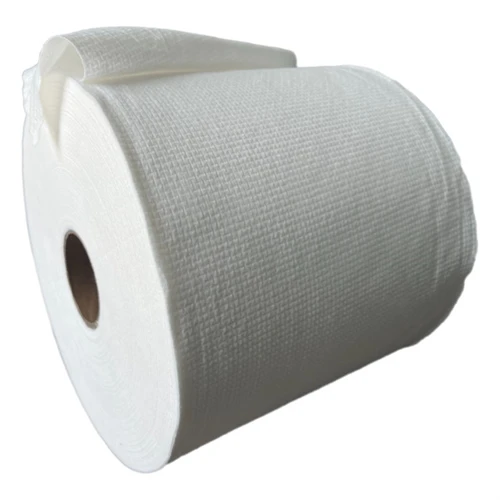
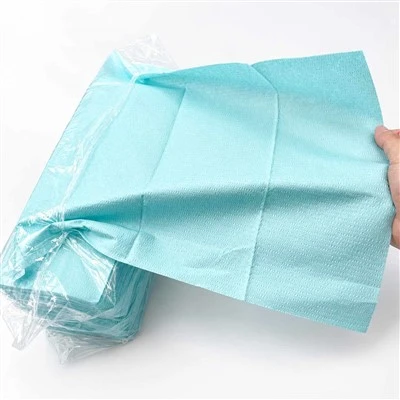
Yes. 100% cotton nonwoven can be used in panty liners and adult incontinence products, but it is usually most suitable as a skin-contact layer-such as a top sheet, cover layer, or liquid-distribution layer-rather than as the only material in the product.
A panty liner or incontinence product must manage liquid in several steps: receive it, transfer it downward, absorb and lock it, and prevent leakage. Cotton nonwoven can support the first step very well because it is soft, breathable, and comfortable against the skin. However, it cannot replace the absorbent core, acquisition and distribution layer, or leak-proof back sheet.
What Is 100% Cotton Nonwoven?
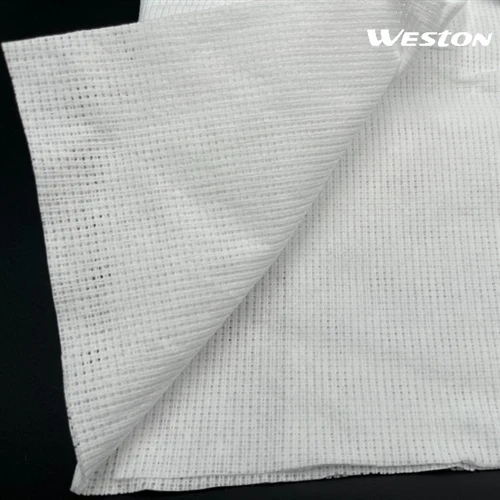
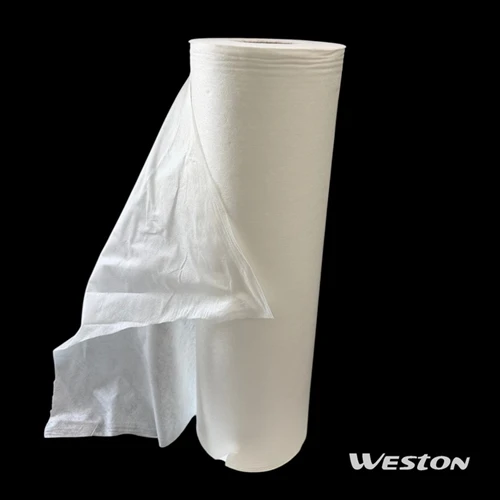
100% cotton nonwoven is a nonwoven fabric made primarily from cotton fibers. In hygiene applications, it is commonly produced using a spunlace (hydroentanglement) process, in which high-pressure water jets entangle the fibers instead of relying heavily on chemical binders.
This process creates a soft, flexible, and absorbent material with a natural-fiber feel. Compared with woven fabric, nonwoven fabric is made directly from fibers without spinning and weaving, which allows it to be produced in lightweight formats suitable for disposable hygiene products.
It is important to distinguish between:
100% cotton nonwoven: The nonwoven layer itself is made from cotton fibers.
Cotton-blend nonwoven: Cotton is combined with other fibers such as viscose, polyester, or polypropylene.
"Cotton-feel" hygiene product: The final product may contain cotton in one layer but also include SAP, pulp, polymer film, adhesives, and other functional materials.
Therefore, when a panty liner or incontinence product is described as containing cotton, it does not necessarily mean that the entire product is made only of cotton.

Where Cotton Nonwoven Fits in a Panty Liner
A panty liner is designed for light daily discharge, light menstrual flow, or very light leakage. Its structure is relatively thin, but it still needs to perform several functions.
Typical Panty Liner Structure
A typical disposable panty liner may include:
Top sheet: The layer that touches the skin and receives liquid.
Acquisition or distribution layer: Helps spread liquid away from the point of contact.
Absorbent core: Usually contains tissue, fluff pulp, SAP, or a combination of these materials.
Back sheet: Prevents liquid from passing through to underwear.
Adhesive and release paper: Helps the liner stay in place.
In this structure, 100% cotton nonwoven is most often used as the top sheet or cover layer.
Why It Works Well as a Top Sheet
Cotton nonwoven is suitable for the skin-contact layer because cotton fibers are naturally soft and absorbent. A spunlace cotton top sheet can provide a gentle surface, help reduce the feeling of stiffness, and allow liquid to pass into the layers below.
For panty liners, comfort is especially important because the product is worn close to the body for several hours. A soft and breathable top sheet can improve the overall wearing experience, particularly for people with sensitive skin.
What Cotton Nonwoven Cannot Do Alone
Cotton nonwoven can absorb moisture, but a panty liner cannot rely on cotton alone. If liquid remains in the top sheet, the surface may feel wet, and the liner may be more likely to leak or cause discomfort.
For reliable performance, the cotton top sheet must work with:
- A liquid-distribution layer to move fluid away from the contact area.
- An absorbent core to hold the liquid.
- A back sheet to prevent leakage.
- A well-designed adhesive system to keep the liner stable during movement.
In short, cotton nonwoven improves the skin-contact experience, but the full structure determines whether the panty liner stays dry, secure, and leak-free.
Where Cotton Nonwoven Fits in Adult Incontinence Products
Adult incontinence products include pads, liners, male guards, protective underwear, adult briefs, underpads, and washable products. These products face a more demanding liquid-management challenge than panty liners because urine can be released quickly and in larger volumes.
Typical Adult Incontinence Product Structure
A disposable adult incontinence pad or brief commonly includes:
- Top sheet: Contacts the skin and allows urine to pass through quickly.
- Acquisition distribution layer (ADL): Receives liquid and spreads it across the absorbent area.
- Absorbent core: Often contains fluff pulp and superabsorbent polymer (SAP).
- Back sheet: Blocks leakage and may be designed to allow vapor permeability.
Side leakage barriers and elastic components: Help improve fit and reduce side leakage.
In this type of product, 100% cotton nonwoven can be used as the top sheet, inner cover layer, or part of the skin-facing structure.
Light, Moderate, and Heavy Incontinence
The suitable role of cotton nonwoven depends on the severity of leakage.
|
Leakage level |
Suitable role of cotton nonwoven |
Key consideration |
|
Very light or light leakage |
Top sheet or cover layer in a liner or light pad |
The product still needs an absorbent core and back sheet |
|
Moderate leakage |
Top sheet combined with ADL and absorbent core |
Liquid spread and rewet control become more important |
|
Heavy or overnight leakage |
Top sheet or inner comfort layer |
Higher absorption capacity, stronger locking ability, and reliable leak protection are essential |
For heavy incontinence, cotton nonwoven can still contribute to comfort, but it should not be expected to provide the main absorption capacity. SAP and the absorbent core are responsible for locking liquid, while the back sheet prevents leakage.
Benefits of 100% Cotton Nonwoven in Hygiene Products
Softness and Skin Comfort
Cotton fibers have a naturally soft handle. When processed into spunlace nonwoven, the material can feel gentle against the skin, which is valuable for products worn for extended periods.
Breathability
A lightweight cotton nonwoven layer can allow air movement through the surface. While breathability depends on the entire product design, a breathable top sheet can help reduce the feeling of heat and humidity.
Natural-Fiber Touch
Cotton has a familiar, natural texture that many users associate with comfort. This makes cotton nonwoven particularly relevant for feminine care products and skin-friendly personal care applications.
Liquid Handling
Cotton can absorb water, but in hygiene products the goal is not simply to keep liquid in the surface. A good top sheet should allow liquid to pass through quickly so that the skin-facing layer remains relatively dry.
Important Limitations to Understand
Cotton Does Not Automatically Mean Higher Absorption
Cotton is absorbent, but absorbency in a hygiene product is measured by more than how much liquid a material can hold. Product performance also depends on:
- Liquid strike-through time.
- Liquid distribution.
- Absorption capacity.
- Retention under pressure.
- Rewet performance.
- Leakage prevention.
A cotton top sheet may feel comfortable, but it must be paired with effective layers below it.

It Cannot Replace SAP or Back Sheet
SAP is designed to absorb liquid and lock it into a gel-like form. It is especially important in adult incontinence products, where liquid volume can be higher than in everyday panty liners.
The back sheet is equally important because it prevents liquid from reaching clothing or bedding. Cotton nonwoven alone cannot provide this protection.
"100% Cotton" Does Not Guarantee Suitability for Every Skin Type
Cotton is a natural fiber, but individual skin sensitivity can still be affected by other product components, including fragrances, dyes, finishes, adhesives, or residual processing chemicals.
For people with sensitive skin, it is more useful to consider the complete material system and product design rather than focusing only on the cotton content.
Panty Liners Are Not Incontinence Pads
Panty liners are designed for light daily discharge or very light leakage. They are not designed to manage moderate or heavy urinary incontinence.
Adult incontinence products are engineered for urine management and typically include higher-absorption materials such as SAP. Choosing the correct product type is important for comfort, skin health, and leakage control.
How to Choose the Right Cotton Nonwoven
For Panty Liners
When selecting cotton nonwoven for panty liners, consider:
Grammage: A lighter fabric is often used for thin liners.
Softness: Important for long-term skin contact.
Liquid strike-through: The surface should allow fluid to pass downward quickly.
Rewet control: The top sheet should not return liquid to the skin after absorption.
Strength and linting: The material should resist tearing, fiber loss, and pilling during production and use.
For Adult Incontinence Products
For adult incontinence applications, consider:
Leakage level: Light, moderate, heavy, daytime, overnight, or bowel incontinence.
Product format: Pad, liner, male guard, protective underwear, brief, or underpad.
Fit and movement: The product should stay in place during walking, sitting, and sleeping.
Skin condition: People with fragile skin may need a softer surface and better dryness management.
Absorption and retention: The core must be able to handle the expected liquid volume.
Frequently Asked Questions
Can 100% cotton nonwoven be the only material in a panty liner?
No. It can be used as the top sheet or cover layer, but a functional panty liner also needs an absorbent core, distribution structure, and leak-proof back sheet.
Is cotton nonwoven better than polypropylene nonwoven for sensitive skin?
Not automatically. Cotton nonwoven is often soft and breathable, but skin compatibility depends on the fiber quality, finishing process, product structure, and individual sensitivity.
Can cotton nonwoven be used for heavy incontinence?
Yes, as a skin-contact layer. However, heavy incontinence products require a high-capacity absorbent core, effective liquid distribution, and a dependable back sheet.
Does "100% cotton" mean the whole panty liner is cotton?
No. The term usually refers to the cotton content of a specific nonwoven layer, not the entire finished hygiene product.
Is a cotton top sheet always more breathable?
Not necessarily. Breathability depends on fabric weight, density, bonding method, embossing, lamination, and the design of the back sheet.
Weston's Cotton Nonwoven Capabilities
Weston manufactures 100% cotton spunlace nonwoven materials for applications that require a soft, skin-friendly surface. In addition to cotton-based dry and wet wipes, Weston supplies 100% Cotton Nonwoven Topsheet Material for hygiene applications such as panty liners and adult incontinence products.
Weston also produces finished Disposable Medical Mattress For Patient Transfer & Incontinence products, as well as top-sheet and surface materials for a range of personal care applications. These materials are designed to support softness, breathability, liquid management, and comfortable skin contact in disposable hygiene and medical-care products.