In the textile industry, Lyocell and Tencel are frequently mentioned together. While they share many similarities, they are not exactly the same. This article will delve into the scientific principles, material characteristics, ecological impacts, and more, providing a comprehensive understanding of the distinctions and overlaps between these two fibers.
Definitions of Lyocell and Tencel
Lyocell is a type of man-made fiber derived from wood pulp, classified as a regenerated cellulose fiber. Its production employs solvent-spinning technology, ensuring strength and softness. The raw materials for Lyocell typically come from sustainably managed forests, giving it a notable advantage in terms of environmental impact.
Tencel, on the other hand, is a brand name for Lyocell produced by a specific company. While the manufacturing processes for Tencel and Lyocell are similar, Tencel adheres to unique production standards and technologies. Therefore, all Tencel fibers are Lyocell, but not all Lyocell fibers are Tencel.

Differences in Production Processes
The production process of Lyocell involves several key steps:
Raw Material Acquisition: Primarily sourced from sustainably managed forests, such as eucalyptus, beech, and oak.
Pulp Manufacturing: Wood is subjected to mechanical or chemical treatment to convert it into pulp.
Fiber Dissolution: Eco-friendly solvents (like NMMO) are used to dissolve the pulp into a cellulose solution.
Spinning: The cellulose solution is spun into fibers using a spinning machine.
Recovery and Reuse: The solvents used in production can be recovered and reused, minimizing environmental impact.
Tencel's production process builds on this foundation, often incorporating stricter quality control and innovative technologies to ensure high performance and eco-friendliness.
Comparative Material Characteristics
1. Moisture Absorption and Breathability
Both Lyocell and Tencel exhibit excellent moisture absorption capabilities. They effectively absorb water and evaporate it quickly, keeping the wearer's skin dry. Due to their unique fiber structure, both Lyocell and Tencel perform well in breathability, making them suitable for undergarments and activewear.
Softness and Comfort
Lyocell is renowned for its softness, providing a comfortable, silk-like feel against the skin. Tencel also excels in softness, making it a popular choice for high-end fashion garments and home textiles.
3. Durability and Wrinkle Resistance
In terms of durability, both Lyocell and Tencel are robust. Their strength ensures that fabrics do not easily deform or damage during washing and wearing. Additionally, both Lyocell and Tencel exhibit good wrinkle resistance, allowing for minimal ironing in everyday use.
4. Biodegradability
A significant advantage of Lyocell fibers is their biodegradability. Under appropriate environmental conditions, Lyocell can fully degrade in a matter of months, returning to nature. Tencel, as a brand, also emphasizes its products' eco-friendly characteristics, typically using renewable resources in production.
Ecological Impact
With increasing global attention on environmental issues, the ecological footprint of production processes has become a focal point for consumers. Both Lyocell and Tencel are primarily made from wood sourced from sustainably managed forests, ensuring resource regeneration. Furthermore, the production process for Lyocell involves solvents that can be recycled and reused, reducing industrial pollution.
However, consumer choices also significantly impact the environment. Opting for products made from Lyocell or Tencel not only ensures a high-quality wearing experience but also contributes to sustainable development.
Market Applications and Product Examples
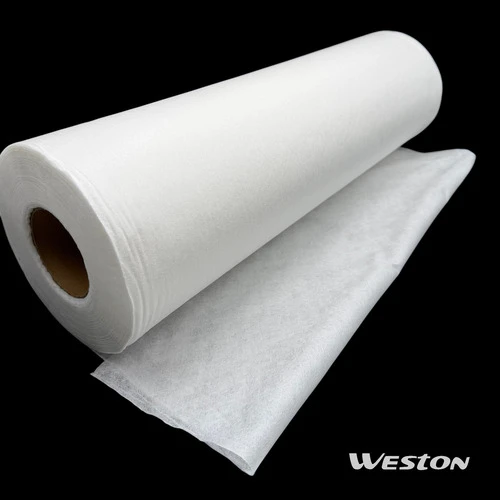
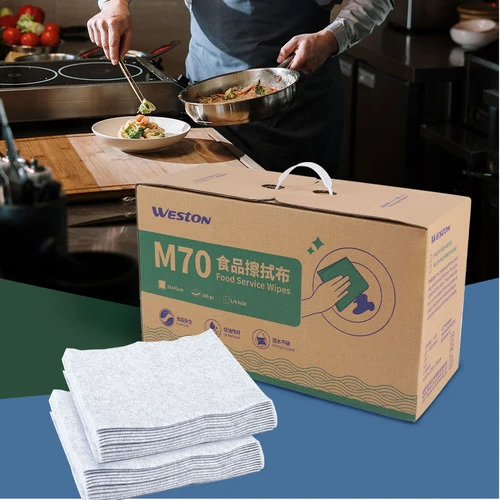
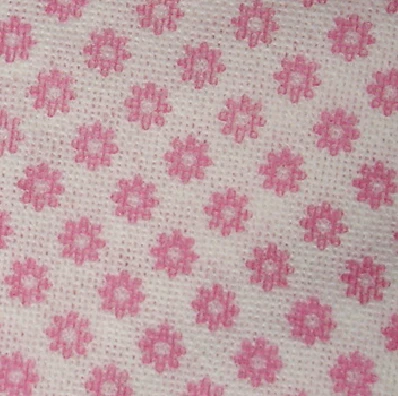
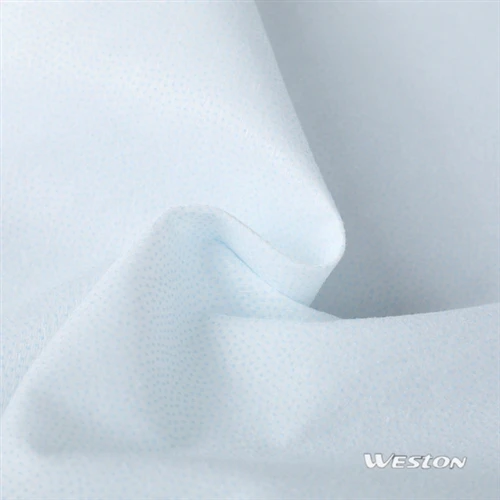
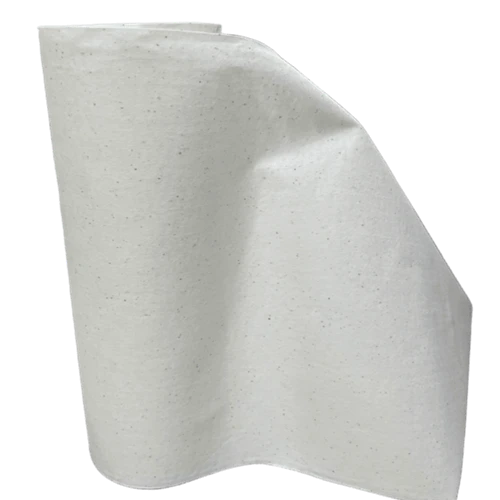
In terms of market applications, both Lyocell and Tencel are widely used in apparel, home textiles, hygiene products, and more. Particularly in the realm of personal care, products like Lyocell Spunlace Nonwoven and 100% Lyocell Fiber Wound Cleansing Wipes are gaining popularity for their superior absorbency and softness.
Additionally, Biodegradable Lyocell Cleansing Pads are emerging as a new eco-friendly skincare option, combining the biodegradability of Lyocell with consumer needs for effective cleansing. For those prioritizing sustainability and comfort, these products represent an intelligent choice.

Future Outlook
As environmental awareness continues to grow, the demand for Lyocell and Tencel is expected to rise. Innovations in fiber development and optimization of production processes will be critical for maintaining competitiveness. By improving production efficiency and reducing environmental impact, fiber manufacturers can remain relevant in an evolving marketplace.
In this context, Weston Nonwoven is committed to providing high-quality Lyocell-related products that meet market demands. Whether it's Lyocell And Bamboo Fiber Spunlace or various cleansing products, Weston Nonwoven adheres to sustainable practices, aiming to offer better choices for consumers. For more information on products or to request a free sample, please contact info@westonmanufacturing.com.
Through this analysis, it becomes clear that while Lyocell and Tencel have differences, both represent significant steps towards sustainability in the textile industry. Consumers should consider not only the performance of these products but also their environmental impact, making informed choices that support a greener future.