What Are Anti-Static Wipes and How Do They Work?
Anti-static wipes are pre-treated cleaning wipes that remove dust and residue from a surface while leaving it less likely to build up static charge. If you handle circuit boards, screens, sensors or other sensitive parts, anti-static wipes for electronics are a simple, low-cost way to clean without creating the electrostatic discharge (ESD) that can quietly damage components.
This guide explains what anti-static wipes are, why static is a real threat to electronics, how the wipes work, and how they differ from lint-free cleanroom wipes, so you can pick the right product for your line, lab or repair bench.
What Are Anti-Static Wipes, Exactly?
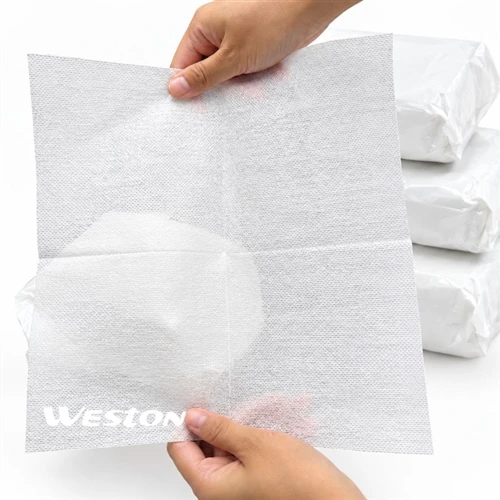
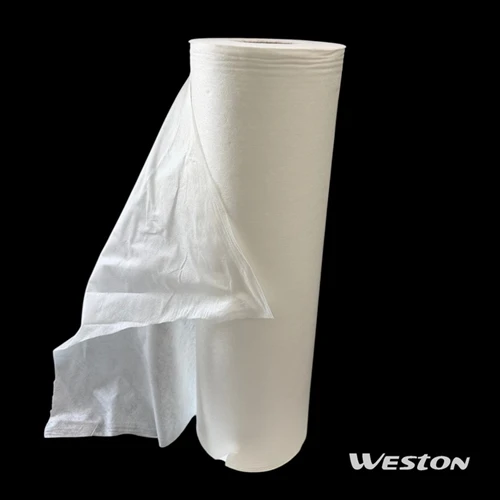
Anti-static wipes are nonwoven or fabric wipes that carry an anti-static agent, either in a cleaning solution or as a finish on the fibers. When you wipe a surface, the wipe lifts dust and leaves behind a very thin layer that helps charge spread out and drain away instead of staying put.
How Are They Different From Regular Wipes?
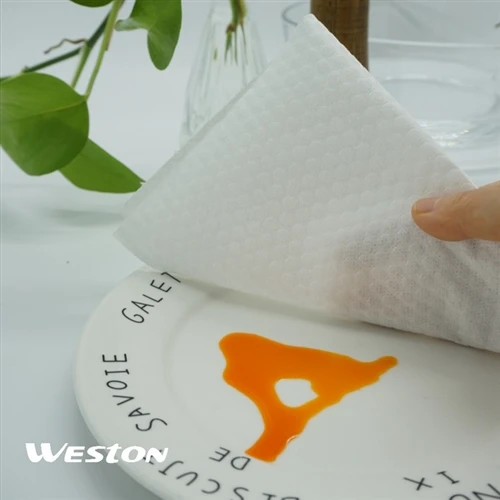
A regular household wipe cleans, but it does nothing about static, and rubbing it across plastic can actually generate charge. Many ordinary wipes also shed fibers and leave residue, which is a problem on connectors, lenses and circuit boards. Anti-static wipes are made to clean and control static in the same pass.
Are Anti-Static Wipes Wet or Dry?
Both types exist. Pre-saturated wipes come wet with an anti-static cleaning solution, often alcohol-based so it flashes off quickly. Dry wipes are treated during manufacturing and are used as they are or with a separate cleaning fluid. Wet wipes suit quick surface cleaning; dry wipes suit controlled processes where you choose the solvent.
Why Does Static Electricity Damage Electronics?
Static charge builds up whenever two materials touch and separate, such as a cloth sliding over a plastic housing or a person walking across a floor. Plastics, glass and most synthetic fabrics are insulators, so the charge stays where it formed. When it finds a path to a conductive part, it discharges in a fraction of a second.
Can a Static Shock I Can't Feel Still Damage a Component?
Yes. People usually don't feel a discharge below roughly 3,000 V, yet the most sensitive electronic devices can be damaged by far less, in some cases around 100 V or lower. The damage is often latent: the part keeps working at first, then fails early in the field. This is why ESD is treated as a quality problem, not just a safety one.
Why Does Dust Stick to My Screen and Equipment?
A charged surface attracts airborne particles. That is why monitors, plastic enclosures and optical parts collect dust quickly, and why wiping them with an untreated cloth can make the dust come back sooner. Reducing the charge on the surface reduces how fast it re-collects dust.
How Do Anti-Static Wipes Actually Work?
They work in two steps: the wipe physically removes dust and residue, and the anti-static agent it deposits makes the surface better at letting charge drain away.
How Does the Anti-Static Agent Stop Charge Building Up?
Most anti-static agents are hygroscopic or ionic compounds. They attract a trace of moisture from the air and form a thin film that is slightly conductive. Charge can then move across the surface and leak to ground or into the surrounding air, instead of piling up. In ESD terms, the aim is to move a surface from the insulative range (above about 10¹¹ ohms) toward the static-dissipative range (roughly 10⁴ to 10¹¹ ohms).
Do They Remove Dust and Lint at the Same Time?
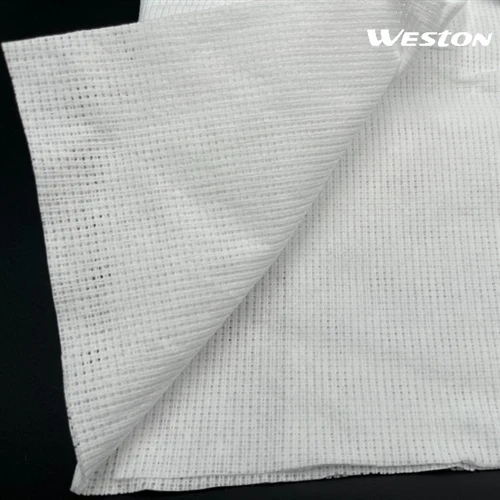
That depends on the fabric. A good wipe uses a nonwoven base such as spunlace, which is soft, absorbent and has few loose fibers. A poor-quality wipe can leave lint behind, and lint is itself a contaminant on electronics. This is why the wipe material matters as much as the anti-static treatment.
How Long Does the Anti-Static Effect Last?
The effect is temporary. Because the film is thin and can be rubbed off or affected by humidity, it protects the surface for a limited time, not permanently. Treat anti-static wipes as part of routine cleaning, and repeat as your process requires.
Anti-Static Wipes vs. Lint-Free Cleanroom Wipes: Which Do I Need?
They solve different problems, and many electronics facilities use both. Anti-static wipes control static on the surface. Lint-free cleanroom wipes control particles and fibers, which matters wherever a stray fiber can cause a defect.
|
|
Anti-static wipes |
Lint-free cleanroom wipes |
|
Main job |
Clean and reduce static buildup |
Clean with minimal fiber and particle release |
|
Best for |
Housings, screens, ESD workstations, assembly benches |
Cleanroom tools, optics, sensors, precision assembly |
|
Typical risk if misused |
Residue on very sensitive optics |
Surface can still hold static charge |
Can One Wipe Do Both Jobs?
Sometimes. A low-lint nonwoven base that also carries an anti-static treatment gives you both properties in one product, which is how anti-static wipes for electronics are normally designed. For work in controlled environments, pair them with lint-free cleanroom wipes for steps where particle control is the priority, and choose the wipe by the cleanliness level and ESD requirements of the specific task.
What Does "Lint-Free" Really Mean?
In practice it means "very low lint," not zero. Fabric construction, edge finishing (cut or sealed) and cleaning of the material all affect how many particles a wipe sheds. If you work to a specific cleanroom class, ask the supplier for particle data instead of relying on the label alone.
What Can I Clean With Anti-Static Wipes, and What Should I Avoid?
Anti-static wipes suit hard, non-porous surfaces on electronic equipment. Common uses:
Plastic housings, keyboards and enclosures
Monitor and device screens (check the device maker's cleaning guidance first)
Workbench surfaces, tool handles and fixtures in ESD work areas
The outside of equipment, trays and carriers
Avoid using them on powered-on equipment, on exposed live circuitry, or on optical coatings and lenses unless the device maker approves it. Test a small hidden area first if you are unsure how a surface reacts to the solution.
How Do I Use Anti-Static Wipes Correctly?
Power the equipment off and disconnect it from mains.
Take a fresh wipe and fold it so you have a clean face to work with.
Wipe in one direction, not in circles, so dust is carried off the surface instead of spread around.
Turn to a clean section as the wipe picks up dirt, and use a new wipe for a new area.
Let the surface dry fully before powering on or reassembling.
Reseal the pack after use so pre-saturated wipes do not dry out.
Do Anti-Static Wipes Replace Wrist Straps and ESD Mats?
No. Wipes reduce charge on the surfaces you clean, but a proper ESD program also relies on grounding, such as wrist straps, ESD mats and flooring, plus ionizers where needed. Think of anti-static wipes as one layer of protection that supports those controls.
How Do I Choose the Right Anti-Static Wipe?
Check these five things before you buy:
Fabric: nonwoven (such as spunlace polyester or blended fibers) with low lint and good absorbency
Fabric weight (GSM): heavier wipes are sturdier and hold more liquid; lighter wipes are softer and more economical
Wet or dry: pre-saturated for speed, dry for control over the cleaning fluid
Edge finish: sealed edges shed fewer fibers than cut edges
Documentation: ask for specifications, test data and sample wipes so you can verify performance in your own process
Where Can I Find Anti-Static and Lint-Free Wipes for Electronics?
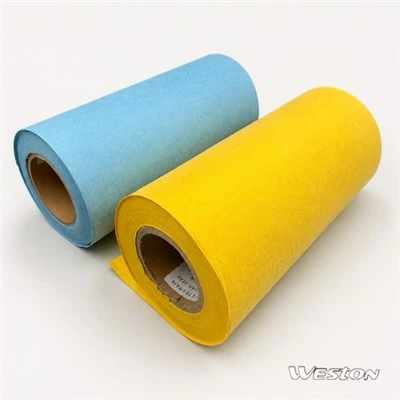
Weston Nonwoven makes nonwoven wipes for electronics cleaning. Our Anti-static Wipes For Electronics are built for routine cleaning of housings, screens and ESD work areas, and our Lint-Free Cleanroom Wipes are made for work where particle and fiber control comes first. Together they cover most cleaning steps on an electronics production line or in a repair workshop.
Need ESD Wipes Made to Your Specification?
Looking for custom GSM, size, or OEM packaging for ESD wipes? Weston Nonwoven manufactures direct from our ISO-certified facility, so you can specify the fabric weight (GSM), cut the wipes to the exact size your process needs, and choose OEM or private-label packaging, all with factory-direct supply and no middleman. Send us your application, target quantity and packaging requirements, and our team will recommend a configuration and arrange samples for you to test.