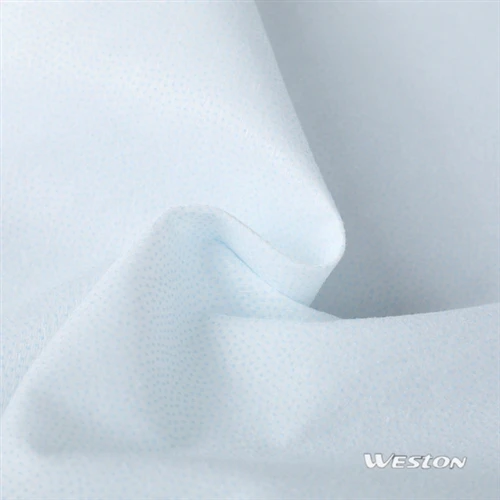
Exploring the Benefits of Viscose Spunlace Nonwoven Fabric
Understanding What Viscose Spunlace Actually Is
Viscose spunlace nonwoven fabric is made by entangling cellulose-based viscose fibers with high-pressure water jets. No chemical binders, no thermal bonding. The fabric holds together because fibers physically lock into each other.
This matters. Bonding method affects softness, strength, lint level, and how the material behaves when wet. Compared with paper-based wipes or resin-bonded nonwovens, spunlace structures tend to feel more textile-like and remain intact during use.
Viscose itself comes from regenerated cellulose. While it is processed, its internal fiber structure is naturally hydrophilic, which explains much of its performance in wiping and skin-contact applications.
Why Fiber Choice Changes Fabric Behavior
Fiber composition defines how a nonwoven reacts to water, pressure, and repeated use.
Viscose fibers:
Absorb moisture quickly
Feel cooler and softer on contact
Deform less harshly against skin
Unlike polypropylene, viscose does not repel liquid. This makes it easier to control wiping results without excessive surface pressure. However, higher absorbency also means viscose fabrics must be engineered carefully to avoid over-saturation in certain applications.
Softness Without Fragility
Softness is often mistaken for weakness. In spunlace fabrics, softness comes from fiber flexibility and surface smoothness, not from loose bonding.
Hydroentanglement distributes strength across thousands of fiber crossover points. The result is a fabric that bends easily but resists tearing. This balance is why viscose spunlace is widely used in wipes that must feel gentle yet remain intact during folding, pulling, and wiping.
That said, extremely low basis-weight viscose fabrics can still tear under high stress. Softness must always be evaluated together with fabric weight and entanglement density.
Absorption: Useful, Not Excessive
Absorption performance should be judged by control, not maximum capacity.
Viscose spunlace absorbs quickly, spreads liquid evenly, and releases moisture smoothly during wiping. This reduces streaking and improves surface contact. In real use, this is often more important than total liquid volume held.
However, viscose does not lock liquid in place as strongly as superabsorbent materials. For tasks requiring prolonged liquid retention, blended or layered structures may perform better.
Wet Strength and Dimensional Stability
Many nonwovens lose strength once wet. Spunlace fabrics behave differently.
Because fibers are mechanically entangled rather than glued, wet conditions do not dissolve bonding points. Viscose fibers do swell slightly when wet, but the fabric structure remains stable if properly engineered.
Wet tensile strength depends heavily on:
Fiber length
Basis weight
Water-jet pressure during production
This is where process control becomes more important than raw material alone.
Skin Compatibility and Lint Control
Low lint is one of spunlace's most practical advantages.
Minimal loose fiber ends reduce residue on skin and surfaces. Combined with the absence of chemical binders, viscose spunlace is commonly chosen for applications involving repeated skin contact.
Still, "skin-friendly" does not automatically mean universal suitability. Product formulation, finishing treatments, and usage environment all influence final performance.

Environmental Perspective: Where It Helps, Where It Doesn't
Viscose is cellulose-based and can biodegrade under appropriate conditions. This is a benefit, but not a blanket solution.
Points often overlooked:
Fiber source management matters
Biodegradation depends on disposal environment
Fabric thickness and finishes affect breakdown speed
Sustainability should be evaluated across sourcing, production, and end use-not claimed based on fiber type alone.
Where Viscose Spunlace Performs Best
This material is especially effective in:
Personal care wipes
Medical and hygiene applications
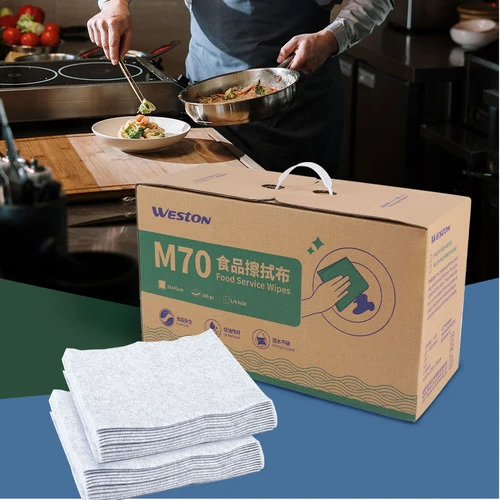
Household and light industrial wiping
Disposable cleaning cloths
It may be less suitable for:
Abrasive scrubbing
High-oil industrial environments
Long-term liquid containment
Matching fabric to use case prevents overengineering and unnecessary cost.
Comparative Performance Overview
|
Property |
Viscose Spunlace |
PP Spunbond |
Paper-Based Wipes |
|
Softness |
High |
Medium |
Low |
|
Liquid Absorption |
High |
Low |
Medium |
|
Wet Strength |
Medium–High |
High |
Low |
|
Lint Generation |
Low |
Very Low |
High |
|
Skin Contact Suitability |
High |
Medium |
Low |
|
Biodegradability Potential |
Medium–High |
Low |
Medium |
This comparison highlights why viscose spunlace is chosen for balance rather than extremes.
Manufacturing Flexibility and Customization
From a production standpoint, viscose spunlace offers flexibility in:
Basis weight adjustment
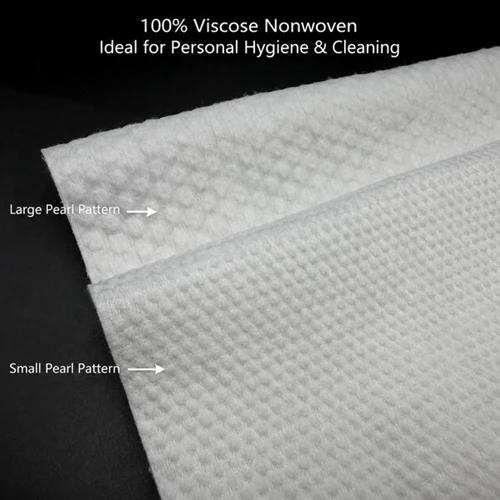
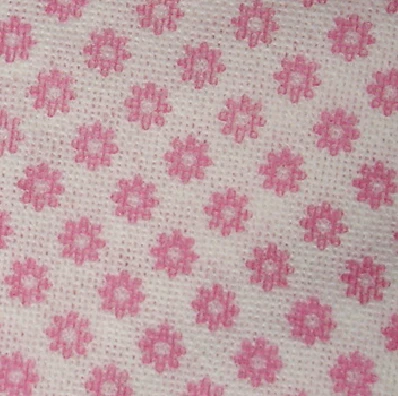
Surface patterning
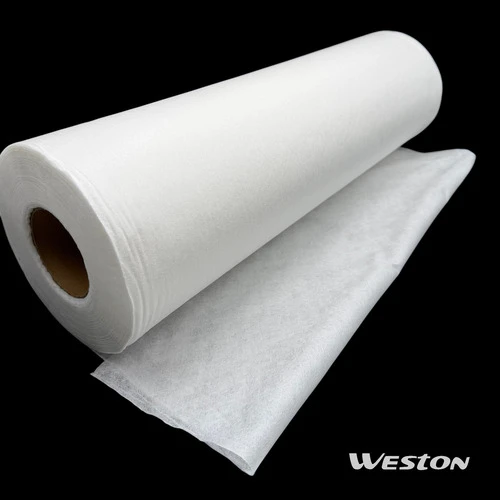
Roll width and conversion formats
Manufacturers such as Weston Nonwoven supply 100% Viscose Spunlace Nonwoven Fabric Rolls, with multiple grammage options and custom embossed or printed patterns, supporting OEM and ODM development for diverse downstream needs. These capabilities matter more to performance consistency than brand claims.

A Practical Way to Look at the Material
Viscose spunlace nonwoven fabric works well because it stays within realistic limits. It does not attempt to be the strongest, the cheapest, or the most absorbent material available.
Its value lies in balance:
Predictable behavior
Comfortable surface feel
Stable wet performance
When selected for the right application and produced with controlled parameters, it delivers reliability rather than surprise-and that is often the most useful property of all.