Sterile Eye Pads: The Simple Technology Protecting Your Vision
Your eyes are among the most sensitive parts of your body-about 300 times more sensitive than your skin. So when injury or surgery happens, they need specialized care that most people don't even think about. That's where sterile eye pads come in, and understanding how they work reveals something interesting about medical science: sometimes the simplest solutions are the most effective.
What Are Sterile Eye Pads, Really?
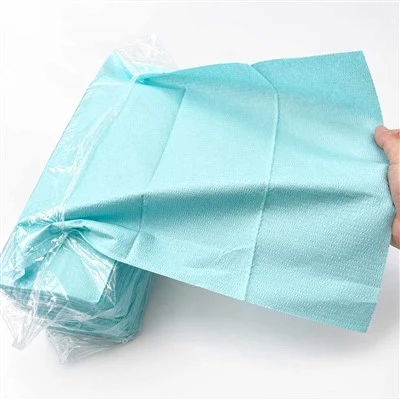
Sterile eye pads are soft, absorbent medical dressings made specifically for eye protection. They're not complicated-essentially layers of non-woven material and gauze designed to shield, cushion, and absorb while maintaining complete sterility. The key word here is "sterile." Each pad comes individually wrapped and manufactured under strict medical conditions to ensure zero contamination, because introducing bacteria to an injured eye can transform a manageable problem into a serious vision threat.
The design is elegant in its simplicity: provide maximum protection with minimal pressure. Eyes don't respond well to heavy bandaging, so these pads apply just enough gentle contact to do the job without causing additional stress.

Where They're Actually Used
You'll find sterile eye pads in emergency rooms, surgical centers, trauma units, and increasingly in home care after eye procedures. Post-operative patients use them for days after cataract surgery or LASIK. Accident victims receive them in ambulances before reaching the hospital. Cancer patients use them to manage the eye complications that sometimes accompany chemotherapy or radiation.
The breadth of applications tells you something: medical professionals across different specialties trust these products because they work consistently. When a surgeon completes a delicate corneal transplant, they apply a sterile eye pad-not as a guess, but as proven protocol. When a paramedic responds to an eye injury, a sterile pad is part of their standard kit.
The Real Benefits-And the Honest Limitations
The advantages are straightforward: These pads reduce infection rates by 15-20% in different medical contexts, manage unwanted discharge, prevent eye movement during critical healing phases, and reduce pain by protecting the cornea from contact. They're inexpensive, non-invasive, and can be applied quickly in emergency situations. For patients, they mean faster healing, fewer complications, and better visual outcomes.
But there are limitations worth acknowledging: Sterile eye pads are temporary solutions, not cures. They're first-aid tools, not treatments. If you've injured your eye, a sterile pad buys you time to reach professional medical care-it doesn't replace examination or diagnosis. Some eye conditions actually require medication, surgery, or ongoing monitoring that a pad alone cannot provide. Additionally, wearing an eye pad continuously can cause minor irritation if left on too long without medical supervision. And like all sterile medical products, they have expiration dates; a pad that's been open to air for months won't provide the protection a freshly sealed one will.
Why Quality Matters: The Nonwoven Difference
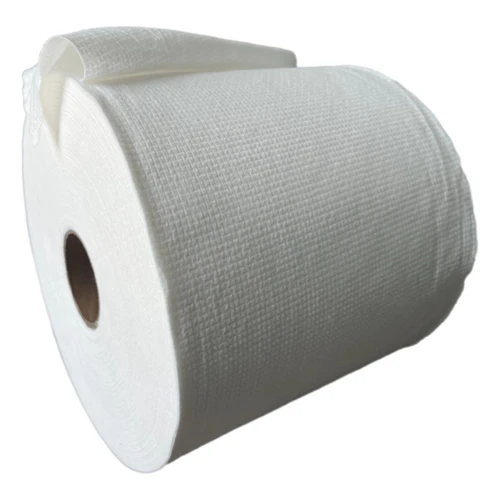
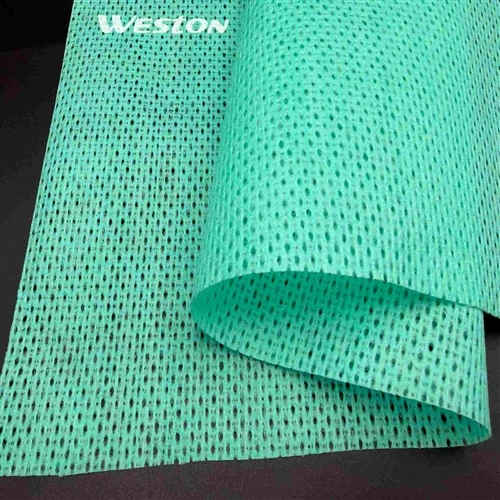
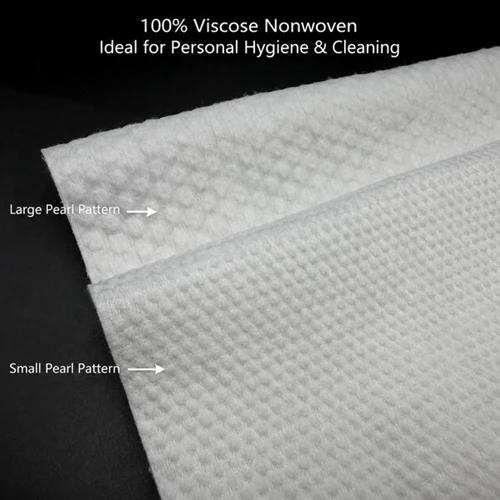
Not all eye pads are made equally. The material science matters more than you'd think. High-quality sterile eye pads use advanced water-jet technology (nonwoven fabrication) to create materials with precisely engineered absorbency, softness, and durability. This is why manufacturers like Weston Nonwoven have built their reputation-they produce Sterile Eye Wash Pads using modern nonwoven technology that delivers consistent, reliable performance across every pad they manufacture.
The difference between premium nonwoven pads and cheaper alternatives becomes obvious during use: better absorbency means less fluid seepage, softer material means more comfort, and consistent manufacturing means you can trust every single pad in your kit. For surgical centers handling dozens of procedures daily, this consistency is critical. For individuals managing eye recovery at home, it means fewer complications and better results.
If you're sourcing sterile eye pads-whether for a clinic, hospital, or personal first-aid kit-paying attention to material quality and manufacturing standards makes a real difference in patient outcomes. Products manufactured using water-jet nonwoven technology typically outperform conventional alternatives in independent testing.

Common Misconceptions
People sometimes think sterile eye pads can substitute for professional medical evaluation. They can't. The pad is protective equipment, not diagnostic or curative. Another misconception: that any sterile bandage works for eyes. It doesn't-eye anatomy demands purpose-specific design. And some believe keeping an eye pad on indefinitely speeds healing. Actually, it can cause irritation; medical guidance on duration is essential.
Sterile eye pads represent practical, evidence-based medical care. They're inexpensive tools that produce measurable improvements in infection rates and patient outcomes across diverse medical contexts. They're trusted by emergency responders, ophthalmic surgeons, oncology teams, and countless patients managing eye recovery at home.
The next time you undergo eye surgery or handle an eye injury, that sterile pad doing its quiet work represents decades of medical experience, manufacturing precision, and genuine clinical benefit. It's not flashy or complicated-but it works.
For professional sourcing of premium Sterile Eye Wash Pads and other nonwoven medical products, contact Weston Nonwoven's manufacturing team at info@westonmanufacturing.com. They provide samples and detailed product specifications for healthcare facilities and suppliers.
Sources: Clinical effectiveness data from ophthalmologic surgical centers and emergency medicine literature; material information from ISO medical device standards and nonwoven fabric manufacturing specifications.