A Scientific Analysis for Professional Buyers
The Physiological Mechanism of Pore Clogging: Beyond Surface Misconceptions
To address whether cotton pads clog pores, we must first clarify the physiological structure of human pores and the root causes of clogging. Pores-microscopic openings connecting hair follicles to the skin's surface-serve two key functions: excreting sebum (a natural oil secreted by sebaceous glands) and facilitating sweat evaporation. Clogging occurs when the pore opening is blocked by a mixture of excess sebum, dead skin cells, external debris, or foreign particles, forming a plug that traps bacteria and triggers inflammation (e.g., acne, blackheads).
A common misconception is that "cotton pads inherently clog pores," but this ignores the critical distinction between product quality and usage behavior. Pure cotton itself is a natural, biodegradable material with good breathability; however, low-quality cotton products or improper use can introduce pore-clogging risks. For professional buyers, understanding the link between cotton pad properties (e.g., fiber structure, processing technology) and pore health is essential to selecting products that align with consumer needs-especially for sensitive skin segments.
Core Factors Influencing Pore Clogging by Cotton Pads
Not all cotton pads pose the same risk of pore clogging. The following three factors determine their impact on pore health, providing a scientific basis for product evaluation:
Material Structure and Fiber Integrity
The most direct risk factor is fiber shedding. Low-quality cotton pads often use short-staple cotton or mixed fibers (e.g., cotton-polyester blends) with weak structural integrity. During use, fragmented fibers can detach from the pad's surface, adhere to the skin, and accumulate in pore openings-especially when paired with creamy or oil-based skincare products (which increase fiber adhesion).
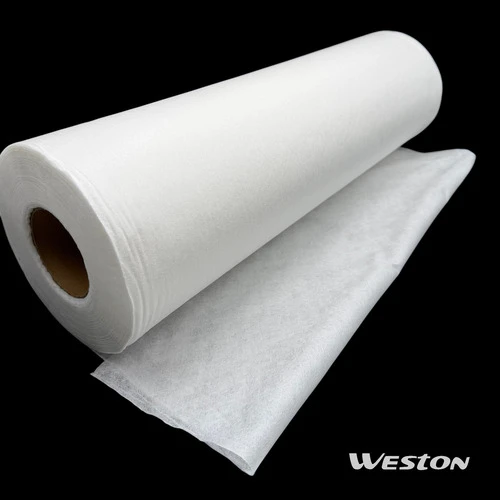
In contrast, high-quality natural fiber products minimize this risk. For example, 100% Bamboo Fiber Polish Cloths feature long, continuous bamboo fibers with high tensile strength; their smooth surface reduces fiber breakage during wiping, even when used with oil-based cleansers. Similarly, Organic Cotton Gauze Roll-crafted from extra-long staple organic cotton-adopts a loose, open-weave structure that allows sebum and skincare residues to pass through without trapping fibers, making it ideal for gentle exfoliation or toner application without pore obstruction.
Chemical Additives and Residues
Chemical treatments in cotton pad production (e.g., bleaching agents, softeners, fragrance carriers) can leave residues that irritate the skin's protective barrier. A damaged stratum corneum (the outermost skin layer) loses its ability to regulate sebum excretion and resist external particles, increasing the likelihood of pore clogging. For instance, chlorine-bleached cotton pads may retain trace hypochlorite, which disrupts the skin's pH balance and promotes excess sebum production-creating a cycle of clogging and inflammation.
This is why Ultra-Soft Cotton Makeup Pads For Sensitive Skin are designed with zero chemical additives: they use unbleached organic cotton processed via physical softening techniques (e.g., repeated carding), ensuring no residual irritants. For professional buyers targeting sensitive or acne-prone markets, such additive-free products reduce the indirect pore-clogging risks associated with chemical irritation.

Usage Behavior and Product Matching
Even high-quality cotton pads can cause pore clogging if used incorrectly. Common mistakes include:
Excessive friction: Rubbing the skin vigorously (e.g., to remove waterproof makeup) damages the stratum corneum, exposing pore openings to fiber debris.
Over-saturation: Soaking cotton pads with thick, heavy products (e.g., petroleum-based moisturizers) creates a paste-like residue that adheres to pore openings.
Reusing disposable pads: Dirty pads harbor bacteria and dead skin cells, which are transferred back to the skin during reuse.
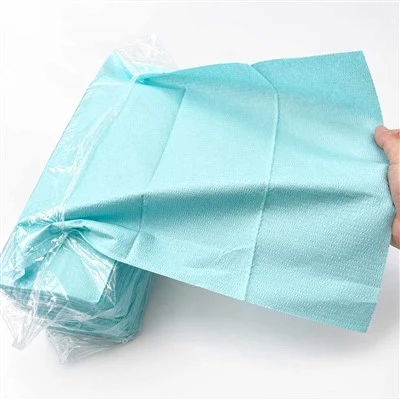
Product design should align with proper usage to mitigate these risks. For example, Cotton Spunlace Hair Towels-made via hydroentanglement (a water-based bonding process)-have a dense yet breathable structure that absorbs excess moisture without requiring rubbing. While primarily used for hair drying, their ultra-soft texture also makes them suitable for gentle post-cleansing patting (to remove excess toner), reducing friction-related pore damage compared to traditional terry cloth towels.
Dual Effects of Cotton Pads on Pore Health: Benefits and Risks
To provide a balanced analysis for professional buyers, we must examine both the pore-friendly benefits and potential risks of cotton pads-avoiding one-sided claims.
Benefits: Supporting Pore Health When Used Appropriately
When selected and used correctly, cotton pads can actively protect pores by:
Enhancing cleansing efficiency: Unlike bare hands (which may not distribute cleansers evenly), cotton pads ensure thorough removal of makeup, sunscreen, and environmental pollutants (e.g., dust, PM2.5) that would otherwise accumulate in pores. Ultra-Soft Cotton Makeup Pads For Sensitive Skin, with their plush texture, gently lift residues without scratching, making them safe for daily use on acne-prone skin.
Controlling product dosage: Cotton pads prevent over-application of skincare products (e.g., toner, essence), reducing the risk of product buildup in pores. The porous structure of Organic Cotton Gauze Roll further aids in product absorption, ensuring active ingredients penetrate the skin without leaving a greasy film on pore openings.
Reducing bacterial contamination: Disposable cotton pads (when used once) minimize cross-contamination between the skin and external bacteria-unlike reusable sponges or towels, which can harbor microbes that contribute to pore inflammation.
Risks: Pore-Clogging Scenarios to Avoid
The primary risks of cotton pads stem from subpar product quality or misuse, including:
Fiber accumulation: As noted earlier, short-staple or poorly bonded fibers shed and clog pores-especially problematic for users with large pores or thick sebum secretion.
Chemical irritation: Additives like synthetic softeners can trigger comedones (closed pores) by disrupting the skin's barrier.
Moisture retention: Thick, non-breathable cotton pads (e.g., those with a polyester backing) trap moisture on the skin's surface, creating a humid environment that encourages bacterial growth and pore congestion.
For professional buyers, the key is to prioritize products that neutralize these risks-such as 100% Bamboo Fiber Polish Cloths (fiber-shedding resistant) or Cotton Spunlace Hair Towels (quick-drying, breathable)-to meet consumer demand for "pore-safe" skincare tools.
Science-Based Selection Criteria for Pore-Friendly Cotton Pads
Professional buyers need clear, actionable criteria to evaluate cotton pads for pore health. The following four benchmarks, rooted in material science and dermatological research, guide informed purchasing decisions:
Prioritize Long-Staple Natural Fibers
Opt for products made from long-staple fibers (e.g., extra-long staple cotton, bamboo fiber) over short-staple alternatives. Long fibers have higher tensile strength and are less likely to shed; they also form a smoother surface that reduces friction on the skin. For example, 100% Bamboo Fiber Polish Cloths use bamboo fibers averaging 3-4mm in length (twice the length of standard cotton fibers), minimizing fiber detachment even with repeated use.
Verify Additive-Free Processing
Choose products labeled "unbleached," "fragrance-free," and "no synthetic softeners." Organic certification (where applicable) adds an extra layer of assurance-Organic Cotton Gauze Roll, for instance, is made from cotton grown without pesticides or herbicides, reducing the risk of chemical residues that could irritate pores. Physical processing methods (e.g., water-based softening, mechanical carding) are preferred over chemical treatments.
Evaluate Structural Breathability
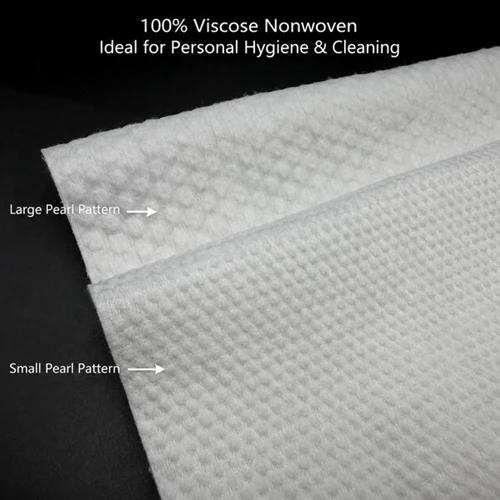
Avoid overly dense or non-porous cotton pads. A breathable structure (e.g., gauze weave, spunlace texture) allows air circulation and prevents moisture buildup. Cotton Spunlace Hair Towels leverage hydroentanglement to create a network of interconnected fibers-this structure is 30% more breathable than traditional woven towels, reducing the risk of pore-clogging moisture retention.
Match Product Design to Usage Scenarios
Different skincare steps require different cotton pad designs:
Makeup removal: Use thick, absorbent pads (e.g., 100% Bamboo Fiber Polish Cloths) to handle oil-based cleansers without fiber shedding.
Toner/application: Opt for thin, lightweight pads (e.g., Organic Cotton Gauze Roll) to ensure even product distribution and avoid residue.
Sensitive skin care: Choose ultra-soft, low-friction pads (e.g., Ultra-Soft Cotton Makeup Pads For Sensitive Skin) to minimize barrier damage.
Practical Application Guidelines to Mitigate Pore Clogging
For professional buyers, educating consumers on proper usage is as important as product quality-this reduces return rates and builds brand trust. Below are evidence-based guidelines to include in product messaging:
Adopt a "pat, don't rub" technique: When applying toner or removing light makeup, gently pat the cotton pad on the skin instead of rubbing. This reduces fiber shedding and stratum corneum damage-Ultra-Soft Cotton Makeup Pads For Sensitive Skin are specifically designed for this method.
Avoid over-saturating pads: For liquid products (e.g., toner), use just enough to dampen the pad (not soak it). Over-saturation increases the risk of product dripping into pores or leaving a residue.
Use disposable pads once: Reusing pads transfers bacteria and dead skin cells back to the skin. For eco-conscious consumers, recommend biodegradable options like 100% Bamboo Fiber Polish Cloths (bamboo fiber decomposes in 3-6 months).
Pair with compatible products: Avoid using cotton pads with extremely thick, oil-based products (e.g., heavy creams) that can clog pores even with high-quality pads. For such products, suggest direct application with clean hands.
Weston Nonwoven: Engineering Pore-Friendly Fiber Solutions

Weston Nonwoven has long focused on bridging material science and skin health, developing products that address the root causes of cotton pad-related pore clogging. Our core offerings-Organic Cotton Gauze Roll, 100% Bamboo Fiber Polish Cloths, Ultra-Soft Cotton Makeup Pads For Sensitive Skin, and Cotton Spunlace Hair Towels-are engineered to meet the scientific criteria outlined above:
All products use long-staple natural fibers (organic cotton or bamboo) processed without chemical additives.
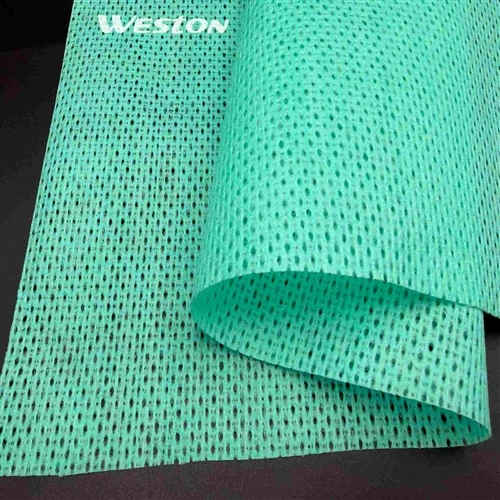
Innovative manufacturing techniques (e.g., hydroentanglement for spunlace towels, open-weave design for gauze rolls) minimize fiber shedding and maximize breathability.
Each product is tailored to specific usage scenarios, ensuring compatibility with different skincare steps and skin types.
For professional buyers seeking to launch or expand their pore-friendly skincare tool lines, Weston Nonwoven offers free samples to verify product performance. To request samples or discuss custom solutions, contact us at info@westonmanufacturing.com.
By prioritizing fiber integrity, additive-free processing, and user-centric design, we empower buyers to deliver products that not only meet consumer needs but also advance the standard for pore-safe skincare tools.