Micellar water began as a quiet innovation in gentle cleansing; today, it sits at the center of a larger conversation about skin integrity, hygiene design, and material science. The simple question-can micellar water be used without cotton pads?-opens a broader inquiry: how do different application media interact with skin, sebum, sunscreen residues, and urban particulate matter? And how do we reconcile dermatologic best practices with modern demands for convenience, sustainability, and cross-context versatility (from bathroom to gym to kitchen and travel)?

This article presents a rigorous, balanced analysis built for the public yet anchored in technical clarity, with a bold, grounded style. It also integrates textile and nonwoven considerations, including the roles of Cotton Facial Towels, Degradable Wet Wipes, Kitchen Wet Wipes, and Disposable Cotton Skin Care Wipes, situating micellar water within a wider ecosystem of materials and methods. Brand references are minimized except where relevant to nonwoven manufacturing capability and product categories by Weston.
The Science of Micelles: Why Application Medium Matters
Micellar water contains surfactant molecules organized into micelles-spherical aggregates with hydrophilic heads and lipophilic tails. These micelles act like micro-magnets for oils, pigments, and some particulate matter. However, micelles are not vacuum cleaners; they require:
Sufficient contact time with the stratum corneum to lift residues.
Low mechanical shear to mobilize film-forming components (e.g., sunscreen, silicones).
Absorptive removal to prevent redeposition.
The application medium affects all three. Fingers maximize tactile control and minimize abrasion, but they contribute limited absorbency. Traditional pads add capillary uptake and gentle friction but introduce fiber shedding and variable sustainability footprints. Nonwovens and engineered wipes modulate friction coefficients, liquid retention, and pore-level debris removal via fiber diameter, basis weight, embossing, and finish chemistry.
Therefore, the question is not merely "with or without cotton pads," but "which substrate delivers the right triad: contact, mobilization, and removal-without undermining skin barrier function or practical hygiene?"
Without Cotton Pads: Methods That Work-and Their Limits
Yes, micellar water can be used without cotton pads. The following methods are effective when done with intention:
Clean Hands Plus Flooding Method
Saturate the face generously with micellar water, massage for 30–60 seconds, then gently rinse or tissue off.
Pros: Minimal waste; excellent tactile feedback.
Cons: Low residue capture; risks redeposition if not rinsed or blotted.
Microfiber Cloths (Reusable)
Apply micellar water to the cloth and wipe in sections.
Pros: High particulate capture due to split fibers; lower ongoing waste.
Cons: Requires laundering; fiber type and weave influence abrasiveness; residual detergent can irritate.
Cotton Facial Towels (Dry, Disposable)
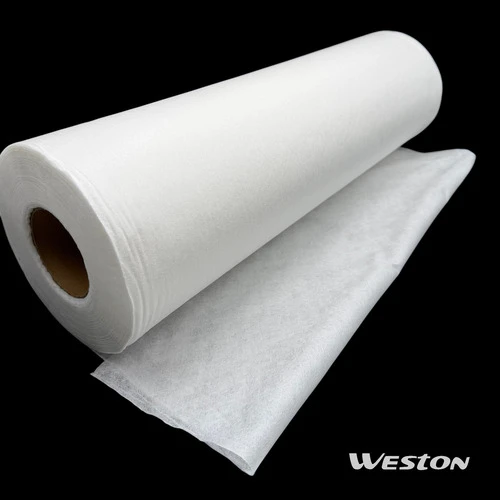
These are spunlace or air-laid nonwovens engineered for high wet strength and low lint. Used with micellar water, they act as controlled-abrasion, high-absorbency platforms.
Pros: Predictable performance; hygienic single-use; reduced pilling.
Cons: Single-use waste; quality varies with fiber blend and bonding.
Disposable Cotton Skin Care Wipes (Pre-Moistened or Dry-to-Wet)
When combined with micellar water, they provide both liquid delivery and absorbent removal.
Pros: Consistent glide; convenient.
Cons: Formulation compatibility matters; some finishes can interact with micellar surfactants.
Hands Plus Rinse
For extremely sensitive skin, massage with micellar water and rinse fully with lukewarm water.
Pros: Lowest mechanical load.
Cons: Removes the leave-on advantage; may not fully remove long-wear makeup.
The overarching principle is clear: if the method lacks absorbency, incorporate a final removal step (rinse, blot, or a clean wipe) to prevent residue recycling across the skin surface.
Rethinking "Gentle": Mechanical Load vs. Chemical Load
"Gentle" is often misdefined. The gentlest routine is not necessarily the one with the fewest steps or softest feel. Skin tolerability depends on total load:
Mechanical load: Friction, shear, repetition count, and local pressure.
Chemical load: Surfactant concentration, pH drift, preservatives, and fragrance.
Time load: Duration of contact and occlusion.
Micellar water used with bare hands reduces fiber friction but may require longer massage to dislodge film-formers, increasing time load. Using a high-quality nonwoven substrate can reduce both mechanical repetitions and time, lowering the cumulative load. This is where engineered materials like Cotton Facial Towels and Disposable Cotton Skin Care Wipes can outperform generic pads by offering higher liquid management, more uniform surface energy, and minimized lint, translating to fewer passes and less epidermal stress.
Material Matters: A Technical Lens on Substrates
Woven Cotton Pads: Twisted yarn loops can snag and shed. They can be soft, but capillarity varies, and their structure may generate micro-abrasion over repeated passes.
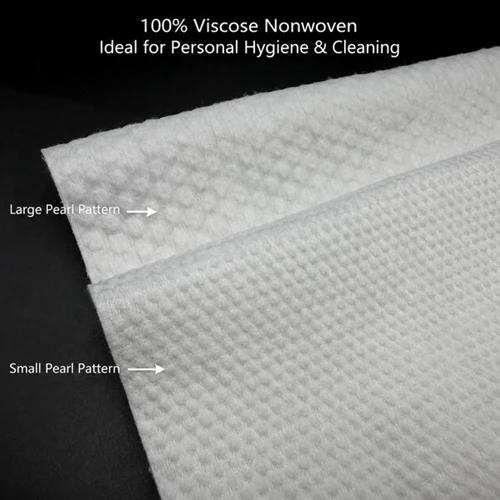
Spunlace Nonwovens (Cotton Facial Towels, Many Disposable Cotton Skin Care Wipes): Hydroentangled fibers create a three-dimensional web with uniform pore size distribution, optimized for wet strength and low linting. Emboss patterns can tune drag and pickup.
Viscose/Lyocell Blends: High absorbency, good handfeel, biodegradable tendencies depending on finishing chemistries. Frequently used in Degradable Wet Wipes.
Microfiber (Polyester/Polyamide): Exceptional particulate capture due to split filaments but requires gentle weave selection for facial use to avoid over-exfoliation.
Cellulose-Rich Air-Laid: Excellent bulk and absorbency, ideal for blotting excess micellar water without excessive friction.

Matching micellar water to substrate is less about tradition than about fluid dynamics: you want rapid sorption of solubilized soil without suctioning water away from the micelles too fast. High-quality nonwovens achieve this balance via basis weight and fiber selection.
Use Cases: When Pads Are Optional-and When They're Not
Light Morning Cleanse
Bare hands or a single pass with a soft nonwoven is usually sufficient. Micelles lift overnight sebum and hydrators; a brief rinse or blot prevents film feel.
Post-Sunscreen Reapplication Prep
A targeted wipe with Disposable Cotton Skin Care Wipes or Cotton Facial Towels around the T-zone and glasses line removes buildup without a full wash.
Long-Wear Makeup and Water-Resistant Sunscreen
Rely on an absorbent substrate. Pads or nonwovens reduce smear and redeposition. Consider a second pass or a short, lukewarm rinse.
Sensitive, Barrier-Impaired Skin
Use minimal mechanical passes. Hands plus a single blot with a damp, ultra-soft nonwoven; avoid aggressive microfiber.
Gym, Travel, or Fieldwork
Pre-moistened Degradable Wet Wipes formulated to be compatible with micellar systems allow practical hygiene when water is scarce. Ensure full coverage and a final blot to minimize residual surfactants.
Hygiene Beyond the Vanity: Cross-Domain Thinking
Micellar water is often confined to bathrooms, but its logic-gentle surfactant systems, leave-on optionality, residue pickup-intersects with daily life:
Workstation Hygiene: Oil, sunscreen, and particulates accumulate along the jawline and around eyewear. A soft, single-use nonwoven lowers cross-contamination risk.
Kitchen Zones: While micellar water is for skin, the discipline of wipe selection mirrors culinary hygiene. Kitchen Wet Wipes are engineered for grease pickup, surface compatibility, and quick turnover. They are not facial products, yet they exemplify how fiber architecture and liquid delivery dictate performance. The same materials science informs facial wipe design-just calibrated for skin.
Travel: Pressurized cabins dehydrate skin; contact time with micellar water followed by an absorbent wipe can refresh without a full cleanse. Choose single-use nonwovens to maintain hygiene in constrained environments.
Sustainability and the Lifecycle View
Disposables invite scrutiny. A rigorous approach considers the whole lifecycle:
Material Sourcing: Cellulose-based nonwovens used in Degradable Wet Wipes and many Cotton Facial Towels support end-of-life pathways under appropriate conditions. Degradability depends on fiber type, bonding, and additives.
Water vs. Energy Trade-offs: Reusables reduce waste but require washing. If laundering uses hot cycles and tumble drying, the energy and microfiber shedding need evaluation.
Single-Use Hygiene: In clinical or travel contexts, the infection-control benefit of single-use nonwovens can outweigh waste concerns if the materials are selected for better environmental profiles.
Right-Sizing: Use the smallest effective substrate area; target zones rather than blanket wiping; minimize redundant passes by choosing substrates with tuned absorbency and surface energy.
Sustainability is an outcome of system design-substrate choice, routine architecture, and waste management, not a single label.
Safety and Skin Barrier Considerations
Preservatives and Fragrance: Leaving micellar water on the skin increases exposure. If sensitive, apply and remove rather than leave on.
pH and Surfactant Selection: Micelles often use mild nonionic surfactants. Even so, repeated leave-on use can subtly disturb barrier lipids if not balanced with emollients.
Mechanical Microtrauma: Over-wiping, especially with high-drag fabrics, can disrupt corneocyte cohesion. Favor smoother, hydroentangled nonwovens for delicate areas.
Eye Area Protocol: Use minimal pressure, fold the substrate to present a clean edge, and hold for 5–10 seconds to solubilize pigments before swiping.
Technique: From Product to Practice
For Bare-Hand Application:
Wash hands.
Saturate the face with micellar water; massage gently for 30–60 seconds.
Rinse lightly or blot with a clean nonwoven to remove loosened residues.
For Cotton Facial Towels:
Fold to create multiple clean panels.
Saturate one panel; apply in downward strokes along pores' natural orientation.
Switch panels to prevent redeposition.
For Disposable Cotton Skin Care Wipes:
If pre-moistened, test glide; if drag is high, add a few drops of micellar water.
Use targeted passes on high-debris zones (nose wings, hairline, jaw).
For Degradable Wet Wipes (Skin-Appropriate):
Use when water access is limited.
Ensure full coverage; finish with a dry corner to pick up residual surfactant.
For Microfiber Cloths:
Choose ultra-fine, soft weaves.
Launder fragrance-free; avoid fabric softeners that reduce fiber split performance.
Common Misconceptions, Addressed
"Micellar water must be left on." Not necessarily. Leave-on is optional. Many benefit from a light rinse or blot to reduce residual surfactant load.
"Fingers are always gentler than fabrics." Not always. The right nonwoven can reduce total passes and friction, resulting in less net irritation.
"All wipes are the same." Substrate engineering determines absorbency, drag, linting, wet strength, and compatibility-major variables in skin outcomes.
"Kitchen wipes inform nothing about skincare." In fact, Kitchen Wet Wipes demonstrate how fiber design and liquid chemistry interact-a transferable principle, even though they are for surfaces, not skin.
Weston's Nonwoven Perspective: Materials as Quiet Enablers
Weston focuses on engineered nonwovens that align with dermatologic logic:
Cotton Facial Towels: Hydroentangled, low-lint, high wet strength substrates optimized for even fluid distribution and controlled glide. Useful with micellar water when you want efficient pickup without over-friction.
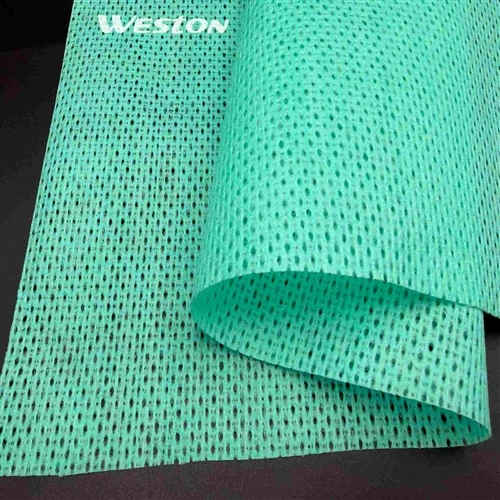
Disposable Cotton Skin Care Wipes: Substrates designed for compatibility with mild surfactant systems, supporting both pre-moistened and add-your-own-liquid workflows. Embossed patterns aid particulate capture.
Degradable Wet Wipes: Cellulose-forward constructions designed for improved end-of-life profiles under appropriate conditions while maintaining structural integrity during use.
Kitchen Wet Wipes: Purpose-built for grease and particulate pickup on surfaces, illustrating substrate-chemistry synergy. Not for facial use, but an instructive material case.
The throughline is control: liquid management, friction tuning, and hygienic handling. Materials do not replace technique-they multiply its effectiveness.
Selecting Your Method: A Decision Framework
Skin Type:
Oily/Combination: Substrate with moderate drag enhances sebum lift.
Dry/Sensitive: Ultra-soft nonwoven or bare hands plus gentle blot.
Makeup and Sunscreen Load:
Minimal: Hands or a single soft wipe pass.
High/Long-Wear: Nonwoven with strong absorbency; consider a brief rinse.
Context:
Home with Water: Any method; prioritize minimal passes.
Travel/Gym: Degradable Wet Wipes designed for skin; ensure sufficient volume and final blot.
Kitchen or Workbench: Keep domains separate; use Kitchen Wet Wipes for surfaces, skin-appropriate wipes for the face.
Sustainability Preferences:
Reusable cloth with careful laundering, or
Single-use nonwoven with biodegradable tendencies and right-sized usage.
Hygiene:
Prefer single-use when infection risk is elevated or laundering is unreliable.

Practical Routines You Can Trust
Morning Reset:
Splash face with lukewarm water.
Apply micellar water by hand.
Blot with a small piece of Cotton Facial Towels; proceed with sunscreen.
Evening Makeup Removal:
First Pass: Disposable Cotton Skin Care Wipes saturated with micellar water.
Second Pass: Targeted eye area hold-and-lift with a fresh fold.
Optional brief rinse; moisturize.
On-the-Go Refresh:
Use skin-appropriate Degradable Wet Wipes; follow with a dry blot on the T-zone.
Post-Kitchen Cleanup:
Clean surfaces with Kitchen Wet Wipes.
Wash hands, then perform a brief micellar wipe on the face using a dedicated, skin-safe substrate-never cross-use surface wipes on skin.
What "Good" Feels Like
Low drag with steady pickup-no pilling, no tugging.
Fewer passes needed for a clean feel.
Minimal residue sensation after a light blot or rinse.
No tightness 10 minutes post-routine-a sign that barrier lipids remain intact.
If you notice persistent film, increase absorbent removal or incorporate a gentle rinse. If tightness or redness occurs, reduce passes and choose softer nonwovens.
A Clear Answer, Backed by Nuance
Yes, micellar water can be used without cotton pads.
Optimal outcomes depend on pairing the liquid with an appropriate method of residue removal.
Engineered substrates like Cotton Facial Towels and Disposable Cotton Skin Care Wipes offer a high-control middle path between bare hands and traditional pads.
In water-limited contexts, skin-appropriate Degradable Wet Wipes are practical; keep Kitchen Wet Wipes in their own domain as surface specialists.
The strongest routine is system-level: right substrate, right technique, minimal total load, and context-aware hygiene.
By treating micellar cleansing as a materials and method problem-not a single-product decision-you can achieve cleaner skin with fewer passes, less irritation, and more confidence in both hygiene and sustainability.