What Wipes Are Food Safe?
When it comes to food hygiene, the question "what wipes are food safe?" seems simple - yet it opens up an entire field of science, materials technology, and environmental awareness. Food safety is not only about the food itself, but about everything that comes into contact with it before it reaches the plate. Wipes used for cleaning, handling, or preparation are silent but essential players in keeping kitchens and production lines hygienic.
Understanding What "Food Safe" Truly Means
In scientific and regulatory terms, a food-safe wipe must maintain chemical stability, microbiological neutrality, and physical cleanliness when used on or near edible materials.
That means such wipes must not:
Leave behind residue, fragrance, or synthetic surfactants.
Disrupt the pH balance of food-contact surfaces.
Shed visible or microscopic fibers that could cling to moist or oily foods.
Unlike ordinary cleaning wipes, food-contact wipes are designed to be inert - meaning they clean without transferring any reactive substances. This makes them essential for environments like restaurants, food packaging plants, and bakeries.
The composition and manufacturing of the material largely determine this safety. In recent years, high-purity nonwoven technologies, especially spunlace nonwoven, have emerged as the preferred material due to their binder-free construction and high structural integrity.

The Science Behind Food-Grade Materials
A wipe's safety depends on its fiber origin and bonding process. Each factor contributes to how the material behaves when it touches food or food-preparation tools.
Natural fibers - such as bamboo viscose, cotton, or wood pulp - are biodegradable and safe when processed in controlled, chemical-free environments. Their organic composition makes them ideal for direct contact with food-related surfaces.
Synthetic fibers - like polyester or polypropylene - are strong and durable but must be properly treated to prevent fiber release or unwanted chemical interactions.
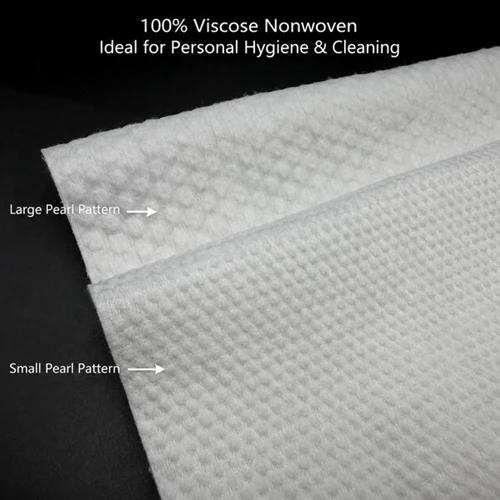
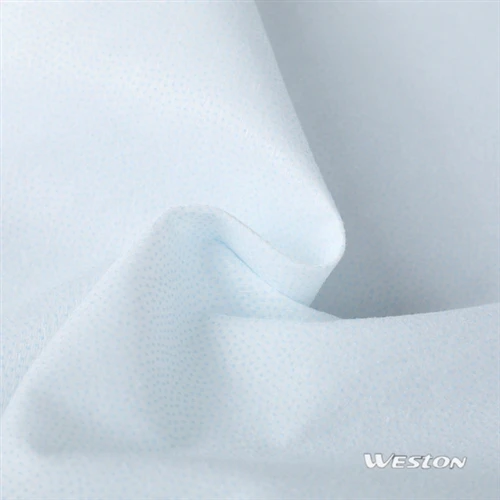
Among bonding methods, hydroentanglement (spunlace) stands out. It uses powerful water jets to intertwine fibers, forming a stable fabric without any glue or binder. This creates wipes that are naturally chemical-free, odorless, and safe for sensitive applications.
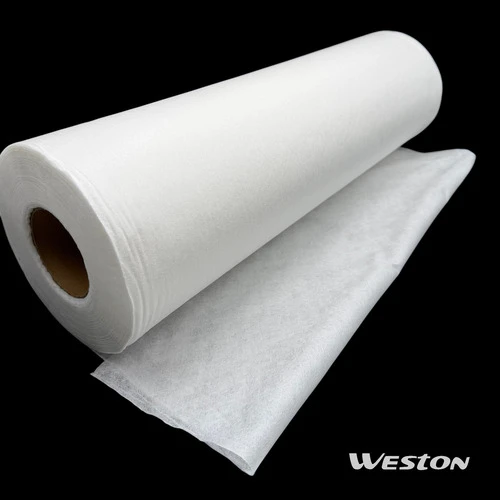
This is why materials like Spunlace Nonwoven Paper Towel For Hand Drying are increasingly chosen for kitchens, restaurants, and food production settings. Their balance of strength, softness, and cleanliness makes them ideal replacements for paper towels or chemically bonded wipes.
Different Types of Food-Safe Wipes
Food-safe wipes are designed for specific roles depending on where and how they're used. The main categories include:
Dry Nonwoven Wipes – These are free from additives and perfect for absorbing moisture, cleaning surfaces, or handling equipment. They are often used in food packaging facilities and professional kitchens to maintain dry and residue-free workspaces.
Pre-Moistened Wipes for Food Surfaces – Containing mild, food-safe cleaning solutions, these wipes clean countertops and utensils without leaving residue. Their formulations rely on non-reactive compounds suitable for food environments.
Sanitizing or Antibacterial Wipes – These are used in areas requiring microbial control. Instead of harsh disinfectants, they often use naturally derived agents or mechanical removal to reduce bacteria safely.
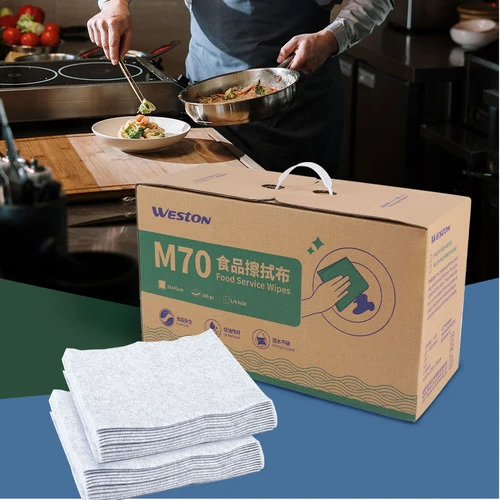
Bulk Foodservice Dry Wipes – These wipes are common in catering, large-scale kitchens, and canteens. Bulk Foodservice Dry Wipes combine high absorbency with durability, ensuring clean wiping performance across repeated tasks while minimizing waste.
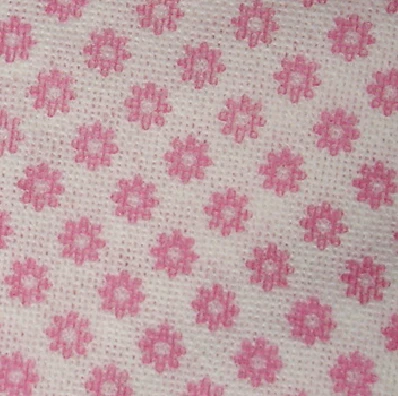
Pull-Up Dispensing Embossed Spunlace Nonwoven – A design innovation for professional use, this format allows one-hand dispensing, helping workers maintain hygiene without touching multiple sheets. It ensures controlled use and reduces cross-contamination risks in food prep areas.
Each type plays a distinct role in supporting food safety systems - from preventing contamination to maintaining workflow hygiene.
When a Wipe Is Not Food Safe
The biggest misconception is that all cleaning wipes are safe to use near food. Many commercial wipes contain fragrances, brighteners, alcohol, or surfactants that could transfer to food surfaces. These ingredients may improve general cleaning but are unsuitable for direct or indirect food contact.
Common risks include:
Chemical migration: Residual cleaning agents can alter taste, aroma, or even the molecular structure of certain foods.
Fiber shedding: Poorly bonded materials may release lint that clings to wet or greasy surfaces.
Cross-contamination: Using one wipe across raw and cooked areas can transfer bacteria rather than remove them.
Unstable pH: Wipes that are too acidic or alkaline may disrupt the microflora balance, encouraging microbial growth on surfaces.
By contrast, wipes built with clean spunlace technology, neutral pH, and balanced absorbency eliminate these risks and ensure consistent safety in food-handling conditions.
The Role of Sustainability in Food Safety
Modern food hygiene doesn't stop at cleanliness - it extends to environmental responsibility. The materials used in food-safe wipes must not only protect human health but also minimize ecological harm.
Traditional paper wipes, though biodegradable, rely heavily on chemical bleaching and pulp softeners that may impact wastewater systems. Synthetic fabrics, while strong, often contribute to microplastic pollution if not properly filtered during production.
Innovations in spunlace nonwoven technology now offer a balanced solution: biodegradable fibers like viscose, bamboo, or PLA combined with binder-free manufacturing. These materials achieve both safety and sustainability.
Manufacturers like Weston Nonwoven employ closed-loop water systems and multi-stage filtration to ensure the entire production process is free from contamination. By doing so, they minimize chemical waste while delivering clean, high-performance wipes suitable for food environments.
From Factory Floor to Food Contact: Engineering Hygiene
Producing a food-safe wipe requires more than raw materials - it demands precision engineering at every stage. Weston Nonwoven's production process begins with strict fiber selection and controlled blending to maintain uniformity. Then, through hydroentanglement, fibers are bonded using purified high-pressure water jets, eliminating the need for chemical adhesives.
Each batch undergoes continuous quality testing for absorbency, tensile strength, and surface cleanliness. This attention to detail ensures products such as Spunlace Nonwoven Paper Towel For Hand Drying, Pull-Up Dispensing Embossed Spunlace Nonwoven, and Bulk Foodservice Dry Wipes perform consistently and meet high hygiene expectations.
These materials provide reliable support in food-contact situations - from hand-drying stations to industrial kitchen surfaces. For businesses that wish to test their compatibility, a free sample can be requested via info@westonmanufacturing.com.
Why Food-Safe Materials Matter More Than Ever
In a world where global food chains are increasingly complex, every contact point matters. The wipes used to dry hands, clean tools, or sanitize tables play a crucial part in preventing contamination outbreaks and maintaining quality.
The transition toward spunlace nonwoven technology is not a trend - it's a necessary evolution. By replacing chemical adhesives and unstable pulp fibers with clean, mechanically bonded fabrics, the industry moves toward a more predictable and traceable hygiene standard.
Food safety, in this sense, becomes a form of material intelligence - choosing tools that not only perform well but align with human health and environmental values. And while technology continues to advance, the core principle remains the same: true food safety begins with clean, inert, and responsible materials.