In modern healthcare, wound care and sterile protection are not just about "covering injuries"-they rely on materials engineered to interact with the human body's healing processes. Non-woven dressings, a cornerstone of contemporary medical textiles, have redefined these practices by merging material science with clinical needs. Unlike traditional woven fabrics (such as conventional gauze), non-woven dressings are made of fibers bonded through mechanical, thermal, or chemical processes, creating a porous, flexible matrix that adapts to diverse medical scenarios. To understand their utility, we must explore their scientific foundations, real-world applications, and even address common myths-all while grounding the discussion in how these materials solve tangible healthcare challenges.
The Scientific Foundation: How Fiber Structure Shapes Function
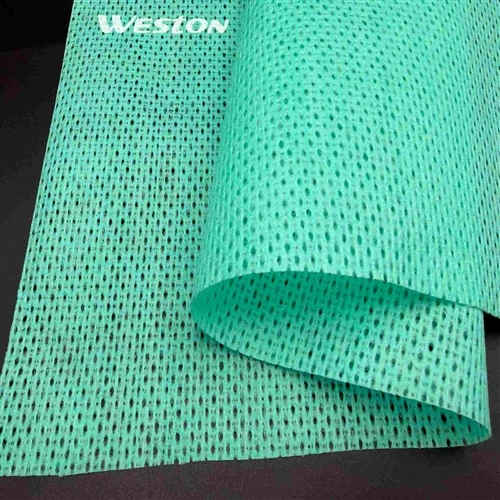
The value of non-woven dressings begins at the microscopic level. Their fiber matrix is not random; it is designed to balance three critical traits: absorbency, breathability, and biocompatibility. For instance, the porous structure traps exudate (wound fluid) without collapsing, a key difference from woven gauze that often clumps when wet. This porosity also allows oxygen to circulate-essential for cellular regeneration-while blocking external contaminants like bacteria. Biocompatibility, meanwhile, ensures the material does not trigger inflammation or allergic reactions when in contact with skin or open wounds, a standard met by leading manufacturers in the space.
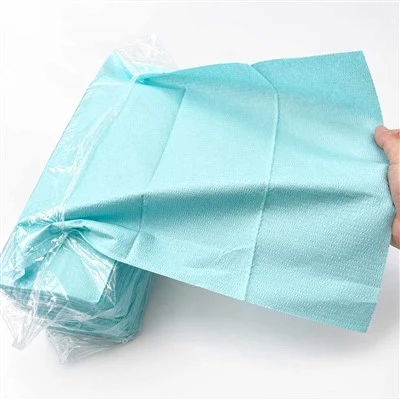
Weston Nonwoven, a specialist in non-woven medical textiles, translates these scientific principles into practical solutions. Its Nonwoven Sterile Wound Dressing, for example, uses a blend of hydrophilic (water-attracting) and hydrophobic (water-repelling) fibers to control exudate absorption: the hydrophilic core soaks up fluid, while the hydrophobic outer layer prevents leakage. This design is not just a "feature"-it directly addresses a common clinical problem: maceration (tissue breakdown) caused by excess moisture around wounds. By engineering fiber behavior at the molecular level, non-woven dressings move beyond passive protection to active support of the healing cycle.

Core Applications: From Acute Wounds to Surgical Settings
Non-woven dressings excel across a spectrum of medical needs, far beyond basic wound coverage. Their versatility stems from the ability to tailor fiber type, thickness, and treatment to specific use cases.
In acute wound care-think lacerations from a kitchen accident or post-surgery incisions-sterility and absorbency are paramount. Nonwoven Sterile Wound Dressing shines here: it is pre-sterilized to eliminate contamination risk and structured to absorb just enough exudate to keep the wound "moist but not wet"-the optimal environment for healing, as recommended by the World Union of Wound Healing Societies. Unlike traditional gauze, which may stick to dry wounds and cause pain during removal, non-woven variants maintain a gentle interface, reducing patient discomfort.
For surgical settings, non-woven dressings take on a more specialized role. Weston Nonwoven's Antimicrobial Nonwoven Obstetric Drapes are a prime example: these large, flexible sheets cover the patient's body during childbirth, creating a sterile barrier around the surgical site. The antimicrobial coating (often infused with silver ions, a scientifically validated antibacterial agent) reduces the risk of surgical site infections (SSIs)-a critical concern in obstetrics, where SSIs can endanger both mother and baby. Unlike reusable cloth drapes, which require rigorous (and sometimes inconsistent) sterilization, disposable non-woven drapes ensure a fresh, sterile surface for every procedure, eliminating cross-contamination risks.
Even in chronic wound management-such as pressure ulcers or diabetic foot ulcers-non-woven dressings play a vital role. Chronic wounds often produce large amounts of exudate over weeks or months, and frequent dressing changes can disrupt healing. Non-woven dressings with high absorbency capacity (some can hold up to 10 times their weight in fluid) reduce change frequency, lowering the burden on caregivers and minimizing trauma to the wound bed.
Extended Uses: Beyond Human Healthcare
The utility of non-woven dressings extends beyond human medicine, thanks to their adaptability. In veterinary care, for example, they are used to treat injuries in companion animals (like a dog's paw laceration) and livestock (such as a cow's udder wound). Their conformability-ability to fit irregular body shapes-makes them ideal for animals, which often struggle with rigid or ill-fitting dressings.
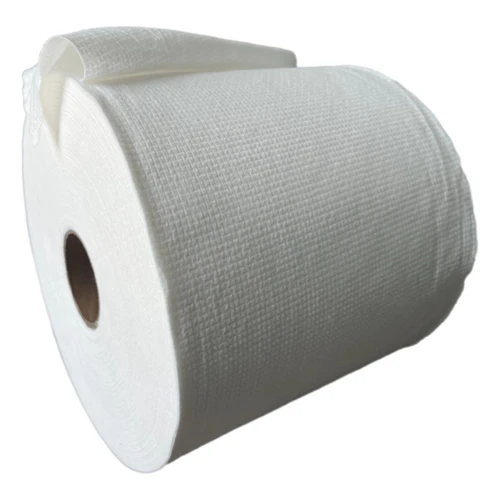
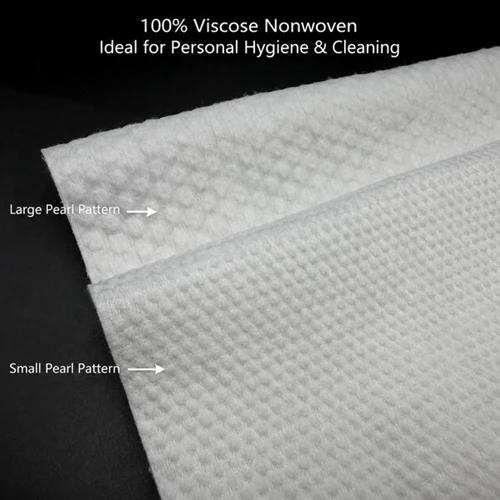
In home healthcare, non-woven dressings have become a staple for minor injuries. Weston Nonwoven's Spunlace Sterile Gauze Roll is a popular choice here: made via the spunlace process (which uses high-pressure water jets to bond fibers), it is softer and more durable than traditional gauze. It can be cut to size for small cuts, scrapes, or even post-shave irritation, offering a convenient, sterile option for at-home use. The spunlace process also reduces linting-a small but important detail, as loose fibers can irritate sensitive skin or get trapped in wounds.
Advantages and Limitations: A Balanced View
To fully understand non-woven dressings, we must acknowledge both their strengths and constraints-this is the mark of sound science communication, not biased promotion.
Key Advantages
Superior absorbency: As noted, non-woven dressings outperform many traditional options in exudate management, reducing maceration risk and dressing change frequency.
Consistent performance: Manufacturers like Weston Nonwoven use automated processes to ensure uniform fiber distribution, so every Nonwoven Sterile Wound Dressing or Spunlace Sterile Gauze Roll performs the same way-critical for clinical reliability.
Disposability: Disposable non-woven dressings eliminate the need for cleaning and sterilization, saving time for healthcare staff and reducing cross-contamination risks.
Customizability: Fibers can be blended (e.g., polypropylene for strength, viscose for softness) or treated (e.g., antimicrobial coatings) to meet specific needs, from surgical drapes to pediatric wound care.
Notable Limitations
Tensile strength: Some lightweight non-woven dressings have lower strength than woven fabrics, making them unsuitable for wounds in high-friction areas (like elbows or knees) without additional reinforcement.
Dry wound incompatibility: Their absorbent design offers little benefit for dry, eschar-covered wounds (where there is no exudate). In these cases, occlusive dressings (which trap moisture) are more appropriate.
Environmental impact: Most non-woven dressings are made from synthetic fibers (e.g., polypropylene) that are not biodegradable. While this is a limitation, manufacturers are exploring sustainable alternatives, such as plant-based fibers, to address this issue.
Clarifying Common Misconceptions
Misinformation often undermines the value of non-woven dressings. Let's debunk three persistent myths with scientific facts:
Myth: "Non-woven dressings are just 'expensive gauze'."
Reality: Traditional gauze is a woven fabric with limited control over porosity and absorbency. Non-woven dressings, by contrast, are engineered for specific functions-like the Antimicrobial Nonwoven Obstetric Drapes' ability to release antibacterial agents over time, or the Spunlace Sterile Gauze Roll's lint-free softness. These traits are not "luxuries"; they directly improve patient outcomes and reduce clinical risks.
Myth: "All non-woven dressings work the same way."
Reality: A Nonwoven Sterile Wound Dressing for a surgical incision is very different from a non-woven pad for a burn. The former prioritizes sterility and moderate absorbency; the latter focuses on non-adherence (to avoid peeling off damaged skin) and high fluid capacity. Choosing the right dressing requires matching its material properties to the wound's characteristics-a decision guided by science, not guesswork.
Myth: "Reusable dressings are more sustainable than disposable non-woven ones."
Reality: Reusable dressings require energy-intensive washing, drying, and sterilization (often using harsh chemicals). Disposable non-woven dressings, while non-biodegradable, generate less overall waste when considering the resources needed to clean reusables. Additionally, innovations in recycled fibers are making non-woven dressings more sustainable over time.
For healthcare providers, caregivers, or anyone seeking to understand non-woven dressings better, exploring practical examples is key. Weston Nonwoven offers free samples of its Nonwoven Sterile Wound Dressing, Antimicrobial Nonwoven Obstetric Drapes, and Spunlace Sterile Gauze Roll-a chance to experience how material science translates into real-world utility. To request a sample, contact info@westonmanufacturing.com.
At their core, non-woven dressings are a testament to how engineering can solve healthcare challenges. They are not just "dressings"-they are tools designed to support healing, prevent infection, and improve patient comfort. By understanding their science and applications, we can make more informed decisions about wound care-whether in a hospital, a veterinary clinic, or our own homes.