Wood pulp underpins a wide range of everyday and industrial products-from traditional papers to advanced nonwoven fabrics. Strength is not a single property; it emerges from the interplay between microscopic fiber characteristics and macroscopic sheet structure, as well as the manufacturing processes that bind fibers together. This article unpacks what "strength" means for wood pulp, what factors influence it, and how modern technologies are expanding its practical applications, including the use of hydroentangled (water-spun) nonwovens.
Section 1: Understanding Wood Pulp Strength
What is Wood Pulp?
Wood pulp is a fibrous material derived from wood by removing lignin and other non-cellulosic components, leaving behind long cellulose fibers. These fibers are the primary load-bearing elements in many pulps and in paper-like products.
How Strength is Measured
Tensile strength: The maximum force fibers or sheets can withstand under tension before breaking.
Fiber strength: The inherent strength of individual fibers, independent of bonding, which sets a baseline for what the network can endure.
Breaking length: A practical indicator of how long a fiber rope would need to be to bear a given load before breaking.
Young's modulus: A measure of stiffness, indicating how much a material deforms under a given load.
Wet vs. dry strength: Wood pulp typically exhibits higher strength in dry conditions; wet strength can be lower unless enhanced by processing or additives.
Section 2: Factors Influencing Wood Pulp Strength
Fiber Characteristics
Fiber strength: The intrinsic resistance of the cellulose fibers; higher α-cellulose content generally correlates with stronger fibers.
Fiber length: Longer fibers create better mechanical interlocking and higher overall sheet strength.
Bonding potential: The strength of inter-fiber bonds governs how effectively fiber strength translates into sheet strength.
Processing Variables
Pulp chemistry: The relative amounts of cellulose, hemicellulose, and lignin influence bonding, stiffness, and how the fiber network responds to stress.
Fiber dispersion and beating: Beating increases surface area and enables more inter-fiber bonds, boosting strength up to a point before fiber damage dominates.
Viscosity and fiber integrity: The viscosity of the pulp slurry and preservation of cellulose chain length affect how fibers resist breakage and how well they bond.
Moisture and Environmental Effects
Dry strength tends to exceed wet strength; moisture can plasticize fibers, reducing stiffness and load-bearing capacity.
Sizing and additives can mitigate moisture-related weaknesses, improving performance in damp or immersed conditions.

Section 3: The Strength Question-Is Wood Pulp Strong?
Dry Strength Performance
Wood pulp exhibits solid dry strength due to the robust, continuous network of cellulose fibers and the potential for strong inter-fiber bonds through mechanical entanglement or chemical treatments. The choice of pulp type (softwood vs. hardwood) and fiber length plays a crucial role in determining the baseline dry strength.
Wet Strength Considerations
In its natural state, wood pulp's wet strength is weaker than its dry strength because water disrupts hydrogen bonding and fiber interactions. Modern manufacturing methods and formulations address this gap:
Sizing agents and surface-modifying chemicals reduce water uptake.
Blending wood pulp with other fibers can improve wet performance.
Hydroentanglement (spunlace) creates entangled fiber networks that retain more structural integrity when wet.
Section 4: Modern Enhancements-Water-Spun Nonwoven Technology
Hydroentanglement Explained
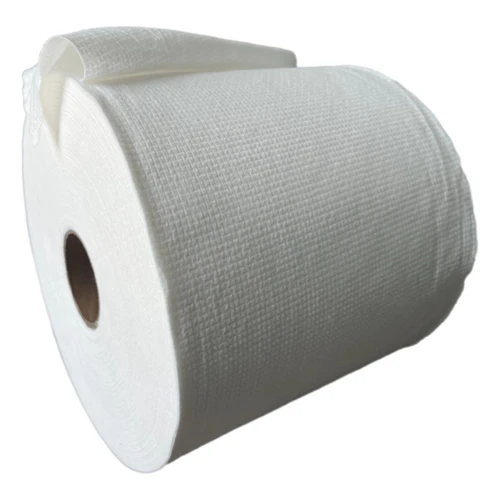
Hydroentanglement (spunlace) uses high-pressure water jets to entangle fibers, forming a cohesive nonwoven fabric without chemical binders.
Benefits for Wood Pulp
Enhanced mechanical bonding between fibers yields higher tensile strength and tear resistance.
Retained absorbency since no heavy binders replace the natural porosity and capillarity of wood pulp fibers.
Improved durability under repeated use and washing, including better performance in moist environments.
Strength Characteristics of Hydroentangled Wood Pulp Fabrics
High mechanical strength relative to weight makes these fabrics suitable for premium wipes, medical textiles, and other barrier-free-use cases.
The process supports a range of fiber blends, enabling customization for specific performance targets such as tear resistance, softness, and absorbency.
Section 5: Applications Enabled by Strengthened Wood Pulp Nonwovens
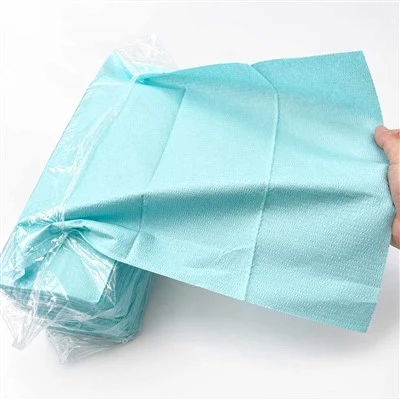
Household and industrial wipes that combine strength and absorbency.
Healthcare textiles that require gentle touch and reliable integrity.
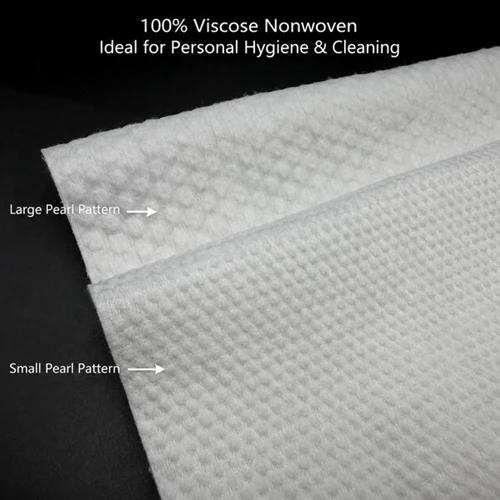
Personal care items (e.g., makeup removal pads, eye wipes) where softness and moisture handling are essential.
Food-service and disposable textiles where hygiene and strength co-exist.
Section 6: Real-World Performance Data
Tensile strength of hydroentangled wood pulp nonwovens tends to surpass conventional sheet strengths, with performance enhanced through fiber length, bonding, and specific hydroentanglement parameters.
Wet strength in spunlace fabrics improves over plain pulp sheets, thanks to distributed, multi-fiber bonding that resists disintegration when moisture is present.
Blends with other natural or synthetic fibers (e.g., cellulose with polyester or other polymers) can further optimize strength while preserving the advantageous properties of wood pulp such as absorbency and softness.
Section 7: Conclusion-Understanding Wood Pulp as a Strong Material
Wood pulp embodies a compelling combination of strength, softness, and sustainability. Its intrinsic fiber-level strength, when translated through engineered bonding and modern processing like hydroentanglement, yields nonwoven fabrics with robust mechanical performance and excellent absorption. The overall strength profile is a balance among fiber characteristics, processing choices, moisture considerations, and end-use requirements. In this light, the question "Is wood pulp strong?" has a nuanced answer: yes, and with advanced technologies, it becomes even stronger while maintaining ecological and functional advantages.
Section 8: Weston Nonwoven-Industry Solutions and Product Recommendations
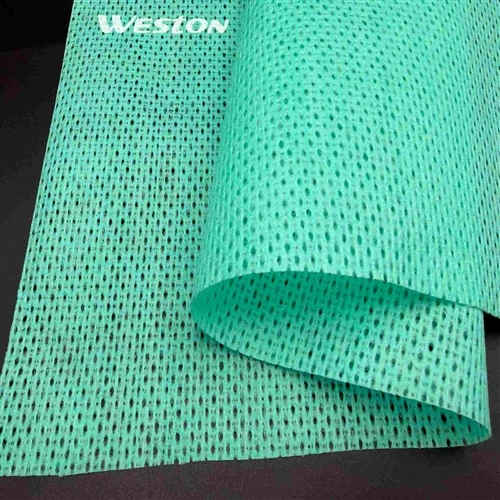
Weston Nonwoven specializes in custom hydroentangled water-spun nonwoven fabrics built around wood pulp. For audiences seeking materials that combine strength, absorbency, and sustainability, Weston offers tailored solutions aligned with the themes above. Notable product concepts and opportunities include:
Woodpulp Dissolvable Wipes: Designed for environments where residues must be minimized and clean removal is essential.
Woodpulp PLA Spunlace: Blends wood pulp with PLA for enhanced compostability and performance.
Pulp Lyocell Spunlace: Combines pulp with Lyocell for balanced strength, softness, and moisture management.
Frictional Pulp Spunlace: Engineered for high friction and wear resistance in demanding cleaning or protective applications.

Why Weston for These Solutions
Customization: Weston provides design tailoring-weight, thickness, fiber blends, and finishes-to meet exact performance targets.
Quality and Reliability: A commitment to consistent manufacturing quality and testing ensures dependable results batch to batch.
End-to-End Support: From prototyping to full-scale production, Weston collaborates with brands to optimize performance while controlling costs.
Sustainability Focus: The use of renewable wood pulp fibers and processes designed for recyclability align with modern environmental standards.
How to Engage
Free Samples: Weston offers samples to demonstrate performance characteristics in real use cases.
Customization Details: Contact information is provided for bespoke orders, including weight (basis weight), color, and shape specifications.
Email for Inquiries: info at westonmanufacturing.com
Contact Weston Nonwoven to explore how these wood pulp–based, hydroentangled nonwovens can elevate product performance while aligning with sustainability goals.