Choosing the Right Curtain Tracks for Hospital Wards
Walking into a hospital ward, most people notice the beeping monitors and the smell of disinfectant long before they notice the curtain track above the bed. Yet that simple line of metal on the ceiling quietly determines how much privacy a patient receives, how easy it is to clean the area, and how safely staff can move around the room. In many projects, the real question is not "Do we need curtains?" but "What type of curtain tracks actually work for this hospital?"
Main Types of Hospital Curtain Tracks
Hospital curtain tracks are typically categorized by their installation method and movement capabilities. The most common types include:
Ceiling-mounted tracks: Fixed directly to the ceiling, often forming straight, L, U, or oval shapes around beds or treatment bays.
Wall-mounted tracks: Fixed to the wall with brackets where the ceiling is unusable or cluttered with equipment.
Flexible or curved tracks: Bendable systems that adapt to complex layouts or create full enclosures around beds in tight spaces.
Suspended tracks: Ceiling systems hung on drop rods or hangers to pass under ducts, lights, or sprinkler lines.
In addition to their shapes, material choices are significant: most hospital tracks are made of extruded aluminum, with some options in stainless steel or heavy-duty plastic for specialized environments.
Track Types at a Glance
A straightforward way to see the differences is to compare the most commonly used categories side by side.
Overview of Common Track Options
|
Track Type |
Typical Use Area |
Main Advantages |
Main Limitations |
|
Ceiling-mounted |
Standard wards, ICUs, OR prep zones |
Clean look, full coverage, flexible layouts |
Requires secure fixation into the ceiling structure |
|
Wall-mounted |
Small exam rooms, where ceilings are busy |
Easy access, simple installation in tight spaces |
Coverage limited by wall position |
|
Curved/flexible |
Multi-bed bays, awkward room shapes |
Follows complex paths, better coverage around beds |
Slightly higher hardware costs |
|
Suspended |
High ceilings with many ducts/lights |
Avoids obstacles, maintains safe working height |
Requires extra planning and support |
|
Heavy-duty (e.g., SS) |
Wet rooms, showers, high-traffic areas |
Highly durable, corrosion resistant |
Higher cost, heavier to install |
Structural Differences That Matter
From an engineering perspective, hospital tracks and home curtain rods have very little in common. Hospital tracks utilize rigid, extruded aluminum or similar profiles featuring internal channels that guide double-wheeled carriers smoothly around corners. This design distributes the curtain's weight across multiple carriers, preventing jerks, noise, or sudden stops when pulling the curtain.
Accessories also influence performance. Joiners, 45° and 90° bends, end stops, suspension rods, and drop chains allow a single track profile to adapt to various room geometries. In wet or high-cleaning areas, stainless-steel hooks and chain drops are often included to handle moisture and aggressive cleaning chemicals without rusting.

Usage Differences: Patient Flow and Staff Workflow
Functionally, different track types affect staff movement and patient comfort. Ceiling-mounted and curved tracks can enclose a bed almost completely, providing visual privacy for patients even in busy multi-bed wards. Flexible track systems support "re-zoning" of open areas, enabling a long treatment zone to convert into multiple smaller cubicles during peak hours.
Wall-mounted tracks are more suited for small exam rooms, facilitating quick opening and closing around a single exam couch rather than constant reconfiguration. In areas with overhead equipment-like booms, surgical lights, or ceiling lifts-suspended tracks run beneath the clutter, allowing staff to move curtains without bumping into hardware.
Infection Control and Hygiene Aspects
From an infection control perspective, curtain tracks and the curtains they support are not merely decorative; they play a crucial role in maintaining a clean ward. Smooth aluminum tracks with minimal joints are easier to wipe down and are less likely to trap dust and biofilm. Ceiling-mounted continuous tracks generally create fewer gaps and ledges than improvised rail systems, simplifying cleaning routines.
The curtain fabric itself is often made from antimicrobial or easy-to-clean materials designed to minimize the spread of pathogens between patients. Many facilities utilize disposable privacy curtains paired with sturdy, reusable tracks to facilitate frequent curtain changes in accordance with outbreak control policies or after contact with high-risk patients.
Safety, Comfort, and Privacy: Pros and Cons
Examining ceiling-mounted, wall-mounted, and flexible tracks from various perspectives reveals their strengths and weaknesses.
Patient Privacy and Comfort
Ceiling-mounted and curved tracks can provide nearly full 360° privacy around beds, helping patients feel less exposed in shared rooms.
Wall-mounted tracks offer acceptable privacy in narrow exam rooms but may leave small gaps in coverage since the pivot point is fixed to one wall.
Staff Efficiency
Smooth-running carriers on well-designed tracks enable staff to open or close curtains with one hand, even when using other equipment.
Suspended and flexible tracks can be positioned to avoid collisions with IV poles, mobile carts, and overhead lifts, reducing daily friction for nurses and doctors.
Installation and Maintenance
Ceiling-mounted and suspended systems necessitate careful anchoring into the building structure and coordination with fire sprinklers and HVAC.
Wall-mounted tracks are easier to retrofit but can be limited by wall strength and layout.
Well-made aluminum tracks tend to be lightweight, corrosion-resistant, and compatible with a wide range of curtain styles, simplifying long-term maintenance.
Safety and Special Requirements
In behavioral health or high-risk units, anti-ligature or load-release track systems are often employed to ensure components detach safely under abnormal loads.
In shower or high-humidity areas, stainless-steel or specially coated components are preferred to prevent corrosion and ensure smooth operation over time.
How to Choose the Right Track for a Project
When planners compare track types, they rarely focus on a single factor. A comprehensive evaluation typically includes:
Room layout: Are there multiple beds, awkward corners, or columns requiring curved or flexible tracks?
Ceiling conditions: Is the ceiling concrete, grid-like, or cluttered with services, making suspended or wall-mounted options more feasible?
Cleaning protocol: How often will curtains be changed, and is there a preference for disposable versus reusable systems?
Risk profile: Are there self-harm risks or specific safety rules necessitating anti-ligature or quickly removable systems?
Budget and lifecycle: Aluminum tracks often provide a good balance between cost, durability, and ease of installation for most wards.
Using simple sketches or layout charts during the design stage helps the team visualize where tracks should be installed, how curtains will overlap, and how staff will navigate around beds without entangling equipment.
Role of Nonwoven Curtain Fabrics
The track is only half of the story; the curtain fabric it carries plays a vital role in supporting hygiene. Many modern hospital privacy curtains are made from nonwoven materials that are:
Lightweight yet opaque enough to ensure privacy.
Compatible with antimicrobial treatments or inherently less conducive to microbial growth.
Suitable for single-use or limited-use cycles, simplifying infection control policies in busy departments.
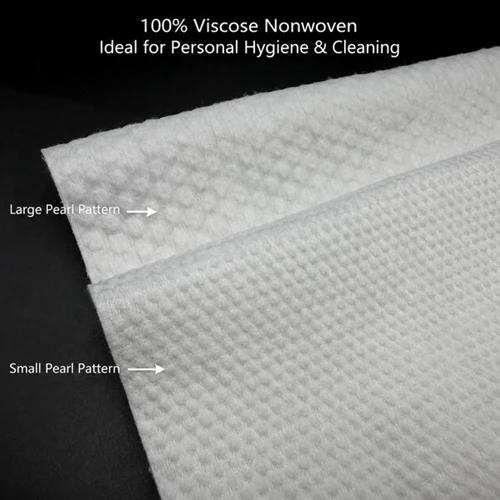
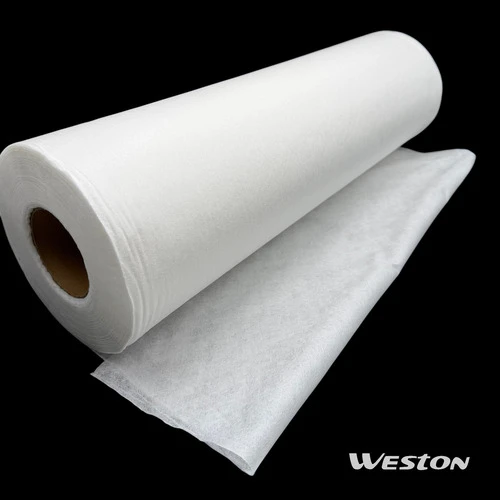
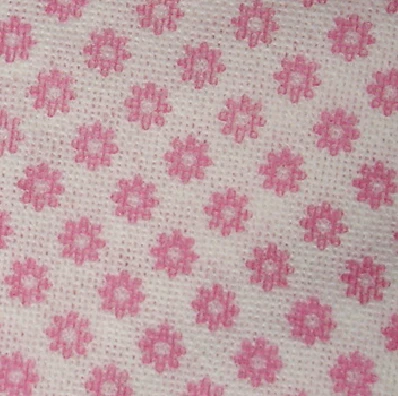
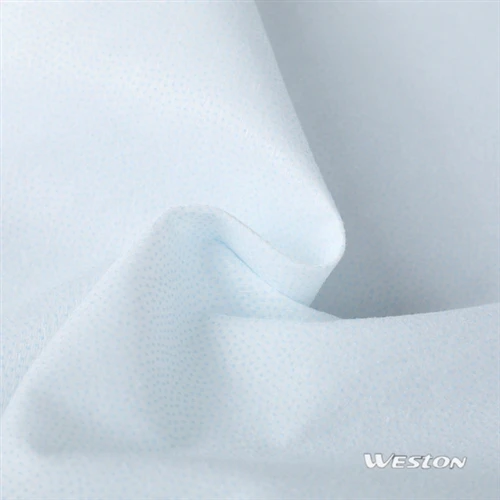
High-quality spunlace nonwoven fabrics can combine softness, good drape, and sufficient strength to hang well from standard hospital carriers without stretching or tearing under everyday use.
How Weston Can Support Hospital Projects
For hospitals and distributors looking to match robust track systems with reliable curtain fabrics, partnering with a specialized nonwoven manufacturer helps ensure long-term consistency. A stable supply of spunlace nonwoven base material facilitates standardization of curtain size, color, and performance across departments.
Weston specializes in supplying waterjet-spunlace nonwoven substrates suitable for healthcare privacy solutions, supporting customers who transform these materials into ready-made hospital privacy curtains. Inquiries about customized nonwoven specifications and disposable curtain projects are welcome for discussion.