A Clear, Practical Look at the Material Behind Modern Wiping
On a busy weekday morning, someone wipes a kitchen countertop after cooking breakfast. In a clinic, a nurse cleans a patient's hands before changing bandages. In a workshop, a mechanic removes heavy grease from a set of tools.
All three people reach for different wipes, yet many of them are made from the same material: spunlace nonwoven fabric.
Spunlace wipes have quietly become a part of daily routines across homes, healthcare, hospitality, and industry. They look simple, but the science behind them is worth understanding-especially if you want to choose the right type of wipe for your needs.
Below is a straightforward explanation, built for everyday readers: no flashy claims, just clear knowledge.
What Spunlace Wipes Are Made Of
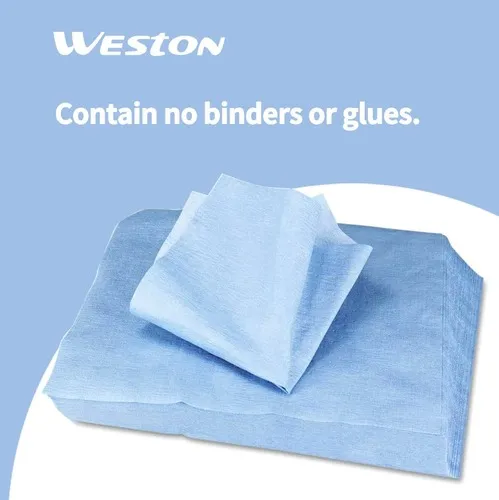
Spunlace wipes are produced through hydroentangling, a method that uses high-pressure water jets to knot fibers together. Because the fibers interlock mechanically rather than with glue or chemical binders, the final fabric feels soft, flexible, and naturally textured.
Common fiber choices:
|
Fiber Type |
Main Characteristics |
Where It's Commonly Used |
|
Viscose |
Highly absorbent, soft |
Baby wipes, facial wipes |
|
Polyester |
Strength, durability |
Industrial wipes |
|
Cotton |
Natural, gentle on skin |
Premium skincare |
|
Bamboo |
Fast-growing plant source |
Eco-focused wipes |
|
Wood Pulp |
Paper-like absorbency |
Household and kitchen wipes |
The result is a fabric that can feel almost textile-like when thick, or light and tissue-like when thin.
How Spunlace Fabric Is Made (In Easy Steps)
Fiber Selection
Blends like 70/30 viscose–polyester, 50/50 wood pulp–polyester, or 100% cotton/lyocell determine softness, absorbency, and strength.
Web Formation
Fibers are arranged into a loose sheet called a "fiber web."
Hydroentangling
High-pressure water jets strike the web from different angles, pushing fibers into one another. This step gives spunlace its characteristic strength without adhesives.
Drying and Finishing
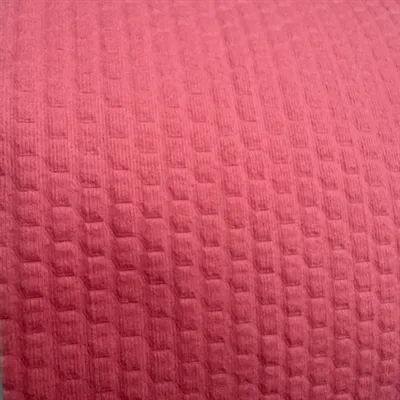
The fabric is dried, then optionally textured with apertures (mesh holes), embossing patterns, or special finishes.
Slitting and Converting
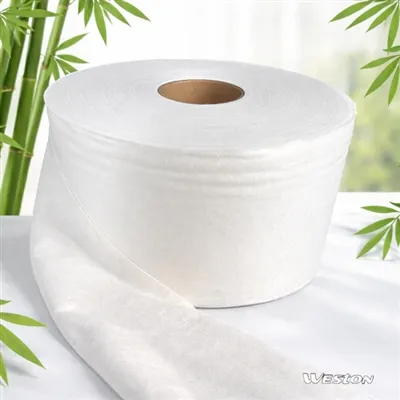
The large rolls are cut into smaller rolls, sheets, or folded wipes.
This process creates a well-balanced material: strong but soft, absorbent but cleanly made.
How Spunlace Wipes Compare to Other Nonwoven Fabrics
Not all wipes are spunlace, and the differences can matter depending on what you want to clean.
1. Spunbond vs. Spunlace
|
Feature |
Spunlace |
Spunbond |
|
Softness |
Soft, skin-friendly |
Coarser, more rigid |
|
Bonding |
Water-entangled |
Heat-bonded |
|
Best Use |
Skin contact, cleaning |
Packaging, filtration layers |
Spunbond wipes may feel slightly plastic-like, while spunlace tends to feel more fabric-like.
2. Meltblown vs. Spunlace
|
Feature |
Spunlace |
Meltblown |
|
Strength |
Higher |
Lower |
|
Absorbency |
Balanced |
High for oils |
|
Best Use |
General wiping |
Filtration, oil absorption |
Meltblown is excellent for face masks or oil-only pads, but not ideal for everyday wiping.
3. Airlaid vs. Spunlace
|
Feature |
Spunlace |
Airlaid |
|
Fiber Structure |
Interlocked |
Adhesive-bonded or pressure-bonded |
|
Handfeel |
Textile-like |
Paper-like |
|
Best Use |
Wet wipes, personal care |
Tabletop napkins, food pads |
Each material has value; spunlace is simply the most versatile for both wet and dry wiping tasks.
Why Spunlace Wipes Feel Comfortable to Use
From a user's point of view, the benefits are straightforward:
Soft touch: No scratchiness, safe for face and skin.
Good absorbency: Especially with viscose, cotton, or wood pulp blends.
Strength when wet: They do not fall apart easily.
Low lint: Important for screens, machinery, and medical use.
Flexible customization: Thickness, apertures, embossing, patterns.
Below is a simple view of how fiber choices affect performance:
|
Fiber Blend |
Absorbency |
Strength |
Skin Comfort |
Cost |
|
100% Viscose |
High |
Medium |
Very Soft |
Medium |
|
70/30 Viscose/Polyester |
High |
High |
Soft |
Medium |
|
50/50 Wood Pulp/Polyester |
Medium |
High |
Medium |
Low |
|
100% Cotton |
High |
High |
Premium Soft |
High |
|
100% Lyocell |
Very High |
Medium–High |
Premium Soft |
High |
Where Spunlace Wipes Are Commonly Used
Personal Care
Makeup removers, baby wipes, facial cloths-where safety and touch matter most.
Household Cleaning
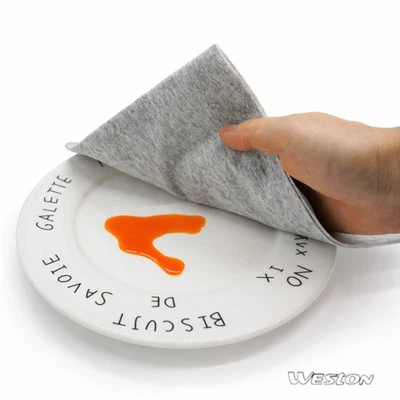
Kitchen grease wipes, multi-purpose rolls, polishing cloths.
Healthcare & Hygiene
Patient wipes, disinfecting wipes, medical drapes.
Industrial Settings
Oil-absorbent cloths, machine cleaning rolls, lint-controlled wipes.
Outdoor & Travel
Camping wipes, compact compressed towels, refreshing wet wipes for trips.
Most people encounter spunlace wipes daily without realizing it.

Advantages and Limitations of Spunlace Wipes
A balanced overview helps users choose wisely.
Advantages
Good mix of softness and strength
Chemical-free bonding (water-only process)
Works for both wet and dry wipe applications
Consistent texture and low lint
Wide range of eco-friendly fiber options
Safe for skin and food-contact surfaces
Suitable for light to heavy wiping tasks
Potential Limitations
Heavier grades can be more expensive
Some blends are not fully biodegradable (polyester content)
Flushability depends on fiber type-most spunlace wipes should NOT be flushed
Absorbency varies widely depending on fiber ratio
Very thick grades require more water and energy to produce
These points give a realistic understanding without overselling the material.
How to Choose the Right Spunlace Wipe
When selecting a wipe, consider the following:
1. Fiber Composition
Higher viscose = better absorbency
Higher polyester = better strength
Wood pulp blends = budget-friendly and fast absorbing
Cotton/lyocell = premium softness and biodegradability
2. Fabric Weight (GSM)
35–50 gsm: light facial wipes
50–70 gsm: general household use
70–120 gsm: industrial wipes, kitchen rolls, automotive
3. Texture
Plain: general purpose
Apertured (mesh): better debris pickup
Embossed: improved grip and appearance
4. Wet or Dry Use
Some spunlace is optimized for liquids (lotions, disinfectant solutions), while some works best dry.
A Note on Manufacturing Expertise
Behind every reliable spunlace wipe is a controlled hydroentangling line, stable fiber sourcing, and clean converting conditions.
Good manufacturers focus on uniformity: consistent apertures, even fiber distribution, and steady supply schedules.
This quiet technical foundation is what ensures wipes feel the same from batch to batch.
A Quiet Mention of Product Options
If you are exploring plant-based or specialty spunlace materials, some manufacturers offer blends such as Woodpulp PLA Spunlace, 100% Lyocell Spunlace, and durable Spunlace For Wet Wipes formulations. For businesses seeking long-term supply or customization, a Custom Nonwoven Wipes Factory model may support tailored fiber blends, roll widths, embossing, and packaging formats.
For samples or technical consultation, you may reach: info@westonmanufacturing.com.