Don't Just Wipe Blindly: The Real, Raw Power of Antiseptic Wipes
You're in the garden, pulling up weeds, when a thorny branch scrapes deep across your forearm. It stings immediately, and a thin line of red beads up. It's not a major wound, but it's a break in your skin. Your first thought is to clean it. You reach for a wipe from your first aid kit.
But what kind of wipe did you just use? That choice matters more than you might realize. The purpose of an antiseptic wipe isn't just to clean up the blood and dirt you can see. It's to manage the microscopic world you can't.

What Antiseptic Wipes Are For
Reduce germs on and around minor cuts, scrapes, and blisters right before you dress the skin.
Prep the skin for adhesive bandages, steri-strips, or injections.
Offer a fast, portable clean when soap and water aren't around.
They're not magic. They're single-use, pre-moistened pads with ingredients that lower the number of microbes quickly. Used after a rinse, they give the wound a cleaner start.
Why Infections Happen After Small Injuries
Skin is a barrier. Break it, and bacteria can enter.
Warm, moist, covered wounds can let microbes grow.
The earlier you reduce the microbial load, the less work your body has to do later.
A quick rinse removes dirt; an antiseptic wipe reduces the microbes left behind. The two steps are different-and complementary.
The Unseen World on Your Skin
Let's be clear: your skin is home to millions of bacteria, fungi, and other microbes. Most are harmless, and many are even beneficial. Your intact skin serves as a brilliant barrier that keeps this ecosystem in check and prevents invaders from getting in.
A scrape, cut, or puncture changes everything. It's like a breach in a fortress wall. Suddenly, the normally harmless bacteria on your skin's surface, along with dirt and germs from whatever you touched (the thorny branch, the pavement, a tool), have a direct pathway into the vulnerable tissues underneath. The real danger of a minor wound isn't the initial pain or the sight of blood-it's the risk of a secondary infection.
This is the core purpose of an antiseptic wipe: to significantly reduce the number of microorganisms around a wound to prevent infection.
What's Actually in the Wipe?
It's not just a damp piece of cloth. The solution in an antiseptic wipe is specifically formulated to be tough on germs but safe enough for skin contact. The two most common active ingredients you'll find are:
Isopropyl Alcohol: This is a fast-acting powerhouse. It kills a wide range of germs by breaking down their proteins and essentially making them fall apart. You'll know it by the immediate, cool evaporation and the familiar sting on an open wound. It works very quickly.
Benzalkonium Chloride (BAC): This is a gentler yet effective alternative. It kills microbes by disrupting their cell membranes. It's often less stinging than alcohol, making it a good choice for children or for more sensitive skin areas. An added benefit is that it can leave a slight protective film on the skin.
Crucial Distinction: An antiseptic wipe is not the same as a hand sanitizer wipe or a common household cleaning wipe. Hand sanitizer wipes are designed for intact skin and may contain moisturizers that you don't want in a wound. Household wipes often contain harsh detergents and chemicals meant for surfaces, not for open skin. Using the wrong type of wipe can irritate the wound and hinder healing.
How to Use One Correctly: It's All About Technique
Using an antiseptic wipe isn't a casual swipe. To be effective, there's a specific method you should follow:
First, Clean Your Own Hands. If possible, wash your hands or use a hand sanitizer before treating someone else's wound. You don't want to introduce new germs.
Open the Packet Carefully. Tear it completely so you can grab the wipe without touching the sterile surface that will contact the wound.
The Golden Rule: Wipe from the Center Outward. Start gently at the wound site itself, and then wipe in a single pass away from the wound, moving outward to the surrounding skin. Do not go back and forth. This technique pushes germs and dirt away from the opening, rather than dragging surrounding bacteria into it.
Let It Air Dry. Give it 30-60 seconds to air dry completely. This contact time is crucial for the antiseptic to finish its job and eliminate the maximum number of germs.
Discard and Cover. Throw the used wipe away and apply a clean bandage to protect the now-clean wound.

Important Considerations: The Full Picture
While antiseptic wipes are invaluable, it's essential to understand their boundaries.
When They Are Essential:
For any break in the skin (cuts, scrapes, abrasions).
Before applying a bandage to a wound.
To clean the skin around a splinter before removal.
To clean small, minor burns.
Their Limitations and Downsides:
Stinging Sensation: Alcohol-based wipes can cause a significant stinging sensation, which can be distressing for children.
Tissue Irritation: For some people, repeated use can irritate the skin. These wipes are meant for initial wound cleaning, not for continuous use on the same wound day after day.
Not for All Wounds: They should not be used for deep wounds, severe burns, animal bites, or wounds with embedded debris that you can't easily remove. In these cases, irrigation with clean water and seeking professional medical help is the priority.
Can Hinder Healing: Some studies suggest that strong antiseptics can affect the cells responsible for healing. This is why, for simple, clean scrapes, washing with mild soap and plenty of clean, running water is often still recommended by doctors. The key role of the wipe is for situations where soap and water aren't readily available.
The Foundation of Good First Aid
Ultimately, an antiseptic wipe is a tool for control. It gives you the power to turn a vulnerable, contaminated injury into a clean, managed one. It's the critical step that prepares a wound for a bandage and sets the stage for proper healing.
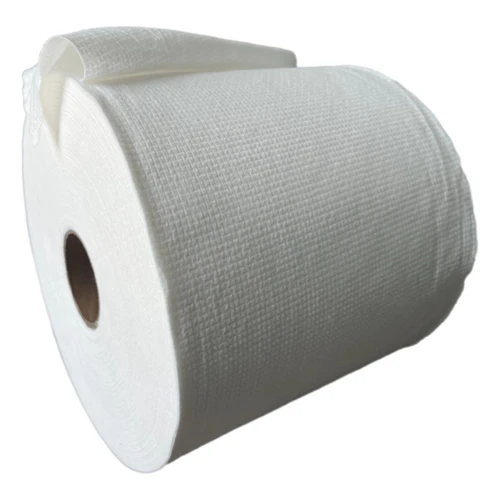
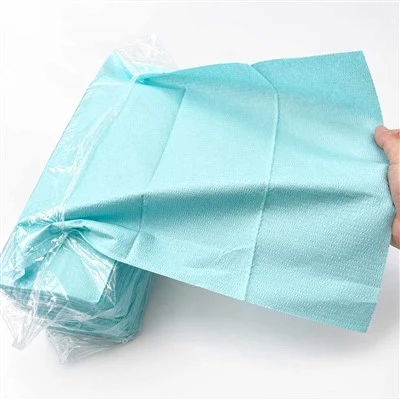
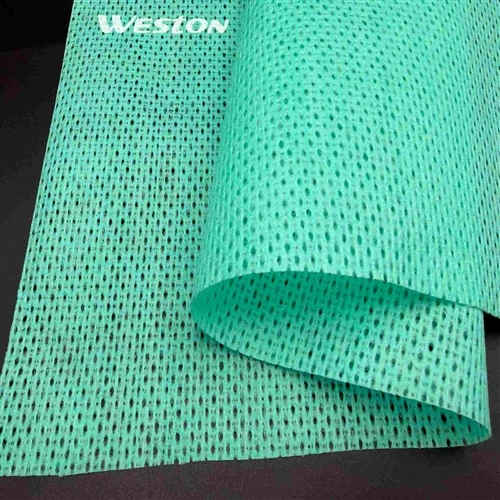
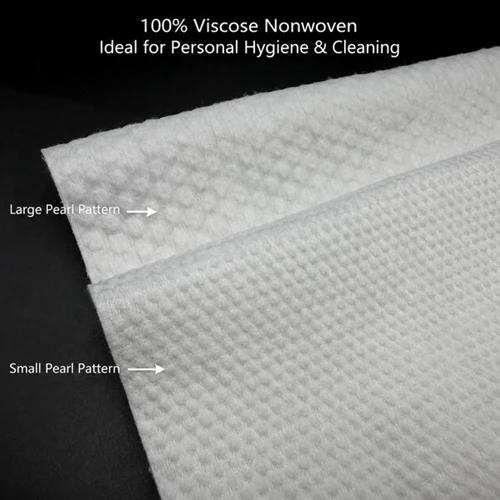
The effectiveness of a wipe also depends on its material. A poorly made wipe can tear, leave lint in the wound, or fail to release the antiseptic solution evenly. A well-made wipe is durable, soft, and consistently damp.
For example, wipes made with spunlace nonwoven fabric are particularly effective. This material is strong when wet and has a gentle, cloth-like feel that cleans thoroughly without falling apart. When you are looking for reliable antiseptic wipes for skin, considering the material and construction is as important as the antiseptic formula itself.
We believe in the importance of getting this first step right. If you are a distributor or business looking for high-quality, reliable spunlace first aid wipes, we invite you to experience the difference. You can request free samples to evaluate their quality firsthand.
Remember, a well-stocked first aid kit and the knowledge to use it are your best tools for handling life's small emergencies with confidence.