Biodegradability has become a significant focus for consumers and manufacturers alike, especially in the realm of disposable wipes. Certifying a product's biodegradability involves rigorous standards to ensure its environmental safety and performance. This article delves into the key certifications that verify biodegradability and highlights how these standards align with consumer and ecological demands.
1. Why Biodegradability Matters for Wipes
Environmental Impact of Non-Biodegradable Wipes
Global Waste: Non-biodegradable wipes contribute to 35% of marine plastic pollution.
Landfill Challenges: Wipes made of synthetic fibers take up to 500 years to decompose.
Consumer Awareness: A 2022 survey found that 78% of consumers prefer biodegradable wipes for environmental reasons.
Benefits of Biodegradable Wipes
Reduction in Waste: Breaks down naturally, leaving minimal environmental footprint.
Compostable Options: Adds value to composting processes without harmful residues.

2. Certifications for Wipe Biodegradability
A. Key Certifications
OK Biodegradable Soil & Water (TÜV Austria)
Ensures the product breaks down in natural environments like soil and water within a specific timeframe.
Focuses on the absence of toxic residues.
Timeframe: Biodegradation within 6 months.
EN 13432 (European Standard)
Certification for compostable products in industrial composting facilities.
Measures biodegradability (90% within 180 days), disintegration, and eco-toxicity.
ASTM D6400 & ASTM D6868 (American Standards)
Define standards for compostable plastics and packaging materials, including wipes.
Focuses on aerobic biodegradability in compost environments.
USDA Certified Biobased Product
Verifies products are made of renewable resources, supporting biodegradability.
Includes wipes with plant-based fibers like viscose.
ISO 14855
Evaluates biodegradability under controlled composting conditions.
Provides international recognition.
Blue Angel Certification
A German certification ensuring wipes are environmentally friendly, particularly in terms of biodegradability and absence of harmful chemicals.
B. Visual Overview of Certification Focus Areas
Chart Insight: A pie chart or infographic can break down the specific testing areas of each certification:
Biodegradability: 40%
Toxicity: 30%
Disintegration: 20%
Renewable Materials: 10%
3. How to Identify Certified Biodegradable Wipes
Labeling and Claims
Look for certification logos on packaging, such as OK Biodegradable, EN 13432, or ASTM D6400.
Ensure detailed claims about composting or biodegradation timelines are included.
Material Composition
Certified wipes often use fibers like Viscose Spunlace, Pulp Spunlace, or natural cellulose blends.

Testing Standards
Certification bodies perform rigorous tests under conditions mimicking natural environments.
4. Biodegradability Data Visualization
Bar Chart: Biodegradation Rates by Material
|
Material |
Time to Biodegrade (Months) |
|
Viscose Spunlace |
3 |
|
Pulp Spunlace |
4 |
|
Cotton Wipes |
6 |
|
Polyester Wipes |
Non-biodegradable |
5. Weston Manufacturing: Pioneering Biodegradable Solutions
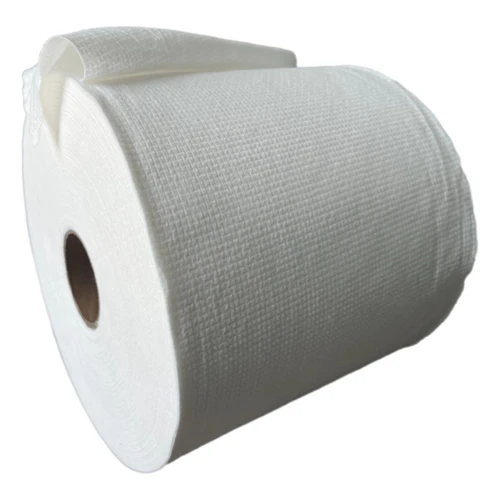
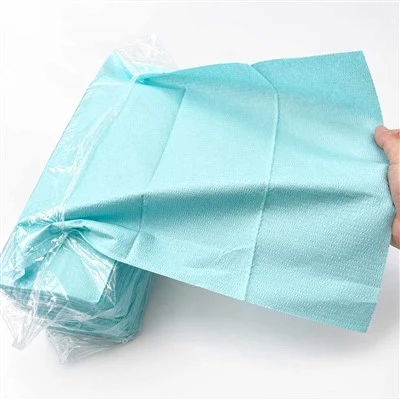
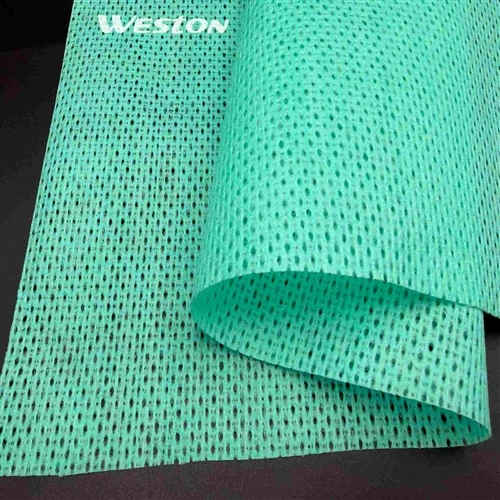
Weston Manufacturing offers innovative Spunlace products that meet biodegradability standards, catering to both consumer and industrial needs. Their product line includes:
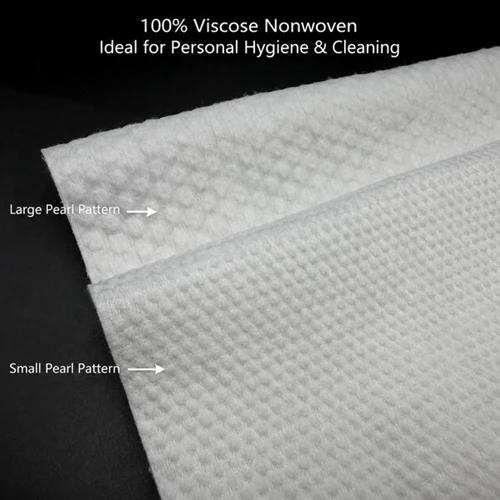
Viscose Spunlace: Made from natural fibers, certified biodegradable and eco-friendly.
Polyester Spunlace: Durable yet lightweight for medical and cleaning applications.
Biodegradable Spunlace: Perfect for compostable disposable wipes.
Pulp Spunlace: Combines strength and sustainability.
Microfiber Nonwoven: Ideal for high-performance cleaning without environmental damage.
Disposable Wipes: Soft, absorbent, and skin-safe, designed for various uses.
Medical Non-Wovens: Hygienic and reliable for healthcare applications.
Facial Cleansing Non-Wovens: Gentle on the skin, effective for daily care.
Melt Blown Nonwovens: Advanced filtration capabilities for protective applications.
Why Choose Weston Manufacturing?
Weston Manufacturing's commitment to quality and sustainability ensures their products are aligned with global biodegradability certifications, making them a top choice for eco-conscious consumers.