-
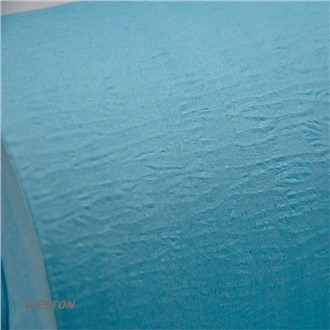
![Low Lint Printer Cleaning SMT Cleanroom Wipe Mother Rolls Creped Turquoise Color]() Low Lint Printer Cleaning SMT Cleanroom Wipe Mother Rolls...
Low Lint Printer Cleaning SMT Cleanroom Wipe Mother Rolls...Industrial SMT cleaning spunlace wipe rolls designed for low lint performance. Creped turquoise cleanroom wipe mother rolls for electronics, printer, and PCB cleaning applications.
-
![Solvent Resistant Wipes Material]() Solvent Resistant Wipes Material
Solvent Resistant Wipes MaterialWeston’s Solvent Resistant Wipes Material is a double-layer composite nonwoven made from wood pulp + PP, designed for demanding wiping tasks where strong solvent resistance, low linting, and fast...
-
![Grease Absorbent Wipes]() Grease Absorbent Wipes
Grease Absorbent WipesHigh-performance grease absorbent wipes made from wood pulp + PP nonwoven fabric. Strong, low-lint, and solvent-resistant — ideal for industrial, food processing, and kitchen cleaning. Approved...
-
![Daily Kitchen Wipes]() Daily Kitchen Wipes
Daily Kitchen WipesThese heavy-absorbency nonwoven wipes remove oil and food residue in seconds. Built tough for repeated use, ensuring clean countertops, pans, stovetops, and kitchen tools.
-
![Lightweight Kitchen Cleaning Cloth]() Lightweight Kitchen Cleaning Cloth
Lightweight Kitchen Cleaning ClothWeston Nonwoven Lightweight Kitchen Cleaning Cloth dries fast, resists odors, and handles everything from dish drying to quick surface refreshes. A must-have home cleaning essential.
-
![Pop-Up Interfold Low-Lint Industrial Wipes]() Pop-Up Interfold Low-Lint Industrial Wipes
Pop-Up Interfold Low-Lint Industrial WipesWood pulp & polyester spunlace wipes with Pop-Up Interfold dispensing. Low-lint, solvent-resistant, lab-tested for 604% absorbency & tear strength.
-
![Mechanical Parts Cleaning Wipes]() Mechanical Parts Cleaning Wipes
Mechanical Parts Cleaning WipesOur low-lint mechanical parts cleaning wipes ensure controlled fiber residue, protecting high-value equipment and extending service life.
-
![Oil Stain Removal Industrial Cloth]() Oil Stain Removal Industrial Cloth
Oil Stain Removal Industrial ClothWeston Heavy-duty oil stain removal industrial wipes made from 74% wood pulp and 26% PP, 115 GSM, with 30×30 cm C-fold sheets and jumbo roll options.
-
![Star Pattern Nonwoven Material]() Star Pattern Nonwoven Material
Star Pattern Nonwoven MaterialSource star pattern nonwoven material in bulk for retail, crafts, seasonal packaging, and commercial applications. Consistent quality and fast production support.
-
![Triple Roll Wood Pulp Spunlace Nonwoven Fabric]() Triple Roll Wood Pulp Spunlace Nonwoven Fabric
Triple Roll Wood Pulp Spunlace Nonwoven FabricDiscover Weston's Triple Roll Wood Pulp Spunlace Nonwoven fabric - superior absorbency, high strength & low-lint for industrial cleaning wipes, medical textiles & commercial applications....
-
![40gsm Wood Pulp Polyester Nonwoven]() 40gsm Wood Pulp Polyester Nonwoven
40gsm Wood Pulp Polyester NonwovenCustomize 40gsm wood pulp polyester nonwoven material with variable blends – excellent for wholesale cleaning wipes, high-performance technical textiles, and sanitation products.
-
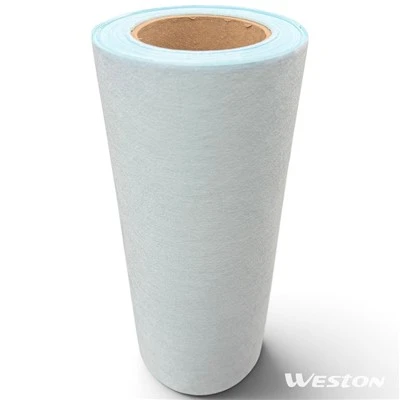
![Soft Blue Nonwoven Fabric Material]() Soft Blue Nonwoven Fabric Material
Soft Blue Nonwoven Fabric MaterialPartner with us for high-quality soft blue nonwoven fabric cloths. Ideal for manufacturers seeking versatile and durable material.


Wood pulp spunlace technology
This is a more complex spunlace nonwoven production method, which uses filaments for spinning, web forming and the first spunlace. After the first spunlace of the filaments, wood pulp is added to the composite machine for composite, and then the second spunlace is performed after the composite, and finally the water is squeezed and dried. The wood pulp is wet-laid to form wet paper sheets online, and the wet paper sheets are introduced into the composite machine to composite with the filaments after the first spunlace. This process has a short production process flow, which effectively combines spinning spunlace technology, wood pulp wet web forming technology and spunlace composite technology. It has fast speed and high production capacity. The raw materials are directly spun into webs by filament slices and wet webs by log pulp, and then composite spunlace. The entire production process makes full use of water, energy and materials, and is produced in a "one-step method" with low production costs. The products produced have the strength of long fibers, the hygroscopicity of wood pulp, the feel of short fiber spunlace fabrics, and do not drop lint and are easy to degrade. They are "green and environmentally friendly" composite nonwoven new products.
The left chart of the production process of wood pulp spunlace non-woven fabrics.
Background technology of pulp spunlace
Spunlace nonwoven fabric is a kind of fabric that does not need to be spun and woven. It is formed by orienting or randomly arranging textile short fibers or filaments to form a fiber mesh structure, and then using mechanical, thermal bonding or chemical methods to reinforce it. Spunlace nonwoven fabric breaks through the traditional textile principle and has the characteristics of short process flow, fast production speed, high output, low cost, wide application, and multiple sources of raw materials. Spunlace nonwoven fabric uses a water jet with a pressure of 3-25Mpa to shoot at the fiber mesh laid on the support net. Since the support net has a reflection effect on the water jet, the fibers move with the impact and rebound of the water flow, making the fiber mesh entangled with each other to form a spunlace nonwoven fabric. Its biggest feature is that it can combine two or more fiber meshes of completely different properties together, which is a purely physical "flexible" combination.
pulp spunlace of Weston
Versatile pulp spunlace products meet each one of your application
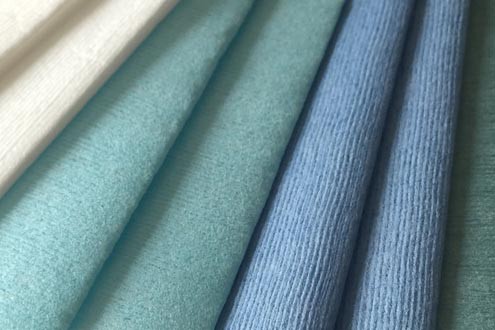
pulp+viscose/lyocell/polyester/bamboo/cotton spunlace
Combing web and wood pulp paper composite technology: It uses wood pulp paper on the paper unwinding rack to put the paper flat into the spunlace machine and composite it with the combed nonwoven fabric through spunlace.
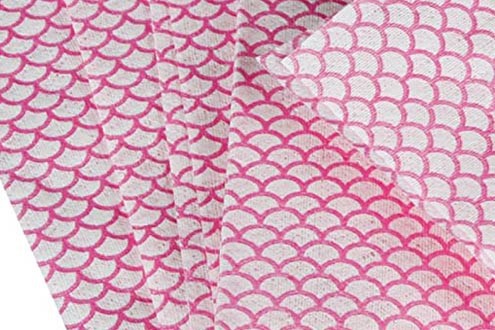
pulp+polypropylene(spunbond) spunlace
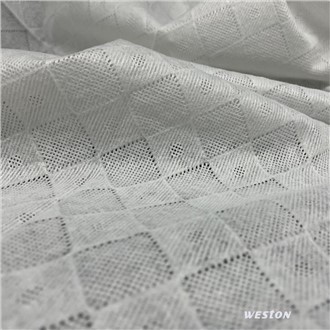
Wood pulp polypropylene spunlace nonwoven fabric is made of high-quality imported wood pulp/pulp and high-strength polypropylene nonwoven fabric through advanced spunlace technology. The product does not contain any chemical resins, adhesives and other ingredients, and has the characteristics of high strength and durability, strong dust and liquid absorption ability, high efficiency cleaning, and not easy to drop dust.
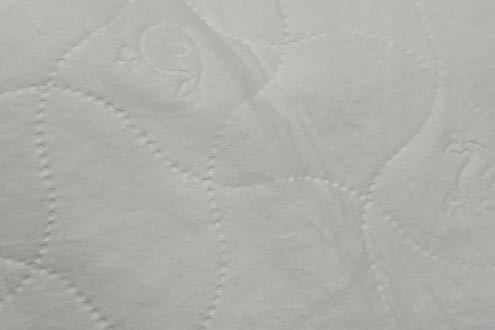
Pulp+bamboo/viscose/lyocell/polyester+pulp spunlace
The special three layer struction further improve the fabric performance in strength, absorbing, softness, thickness. It intergrates advantages of three different fibers.
The purpose of the above-mentioned technologies is to combine wood pulp short fibers with ordinary non-woven fabrics through spunlace, increase the cotton content of non-woven fabrics, that is, wood pulp, improve the water absorption and other properties of non-woven fabrics, and reduce production costs.
Pulp spunlace for Industrial Cleaning
Industrial Wipes
Machinery and Equipment Cleaning: Used to clean and maintain industrial machinery, tools, and equipment. These wipes can remove grease, oil, and dirt effectively.
Surface Cleaning: Ideal for wiping down workbenches, countertops, and other surfaces in industrial environments.
Degreasing Wipes
Heavy-Duty Degreasing: Specialized wipes for removing tough grease and grime from mechanical parts and equipment.
Automotive Maintenance: Used in automotive workshops for cleaning engines, parts, and tools, ensuring they are free from oil and grease.
Spill Control and Absorbent Pads
Oil Spill Cleanup: Highly absorbent pads and wipes used to quickly contain and clean up oil spills in industrial settings.
Chemical Spill Response: Nonwoven fabric pads that can absorb hazardous chemicals, ensuring safe and efficient spill management.
Maintenance Wipes
Routine Maintenance: Used during regular maintenance tasks to keep machinery and equipment clean and functioning properly.
Preventive Maintenance: Wipes for cleaning and inspecting components, helping to prevent breakdowns and extend the life of equipment.
Surface Preparation Wipes
Pre-Painting and Coating: Used to clean and prepare surfaces before painting or coating applications, ensuring a smooth and contaminant-free finish.
Surface Degreasing: Effective in removing oils and residues from surfaces before adhesive bonding or sealing.
Sanitizing and Disinfecting Wipes
Industrial Sanitation: Wipes impregnated with sanitizing agents for disinfecting surfaces in industrial kitchens, break rooms, and restrooms.
Tool and Equipment Disinfection: Used to disinfect tools and equipment, especially in environments where hygiene is critical.
Polishing and Buffing Cloths
Metal Polishing: Soft, non-abrasive wipes used for polishing metal surfaces to a high shine without scratching.
Glass and Mirror Cleaning: Streak-free wipes for cleaning and polishing glass surfaces and mirrors.
Workshop and Garage Wipes
Hand Cleaning Wipes: Convenient wipes for workers to clean their hands quickly, especially when soap and water are not readily available.
Tool Wipes: Used to clean and maintain hand tools, keeping them free from rust and dirt.
Industrial Facility Cleaning
Floor Cleaning Pads: Durable pads used in conjunction with industrial floor cleaning machines for effective floor maintenance.
Window and Wall Cleaning: Wipes designed for cleaning large windows and walls in industrial facilities.
pulp spunlace for Food service
Weston food service wipes are certificated by HACCP and FDA
Sanitizing Wipes
Surface Sanitizing Wipes: Used for cleaning and disinfecting countertops, tables, and other food preparation surfaces to maintain hygiene standards.
Hand Sanitizing Wipes: Provided for staff and customers to ensure hand hygiene, reducing the risk of cross-contamination.
Cleaning Cloths
Kitchen Cleaning Cloths: Used for cleaning kitchen equipment, utensils, and appliances. They are strong enough to handle grease and food residues.
General Cleaning Wipes: Versatile wipes used for various cleaning tasks in the food service environment, such as wiping down chairs, doors, and windows.
Disposable Towels and Napkins
Table Napkins: Disposable napkins used in restaurants and cafes, offering convenience and hygiene for diners.
Hand Towels: Disposable towels available in restrooms for drying hands, ensuring hygiene and reducing the spread of germs.
Food Service Cloths
Disposable Dishcloths: Used for washing dishes and cleaning up spills in the kitchen, providing a hygienic alternative to reusable cloths.
Bar Towels: Disposable towels used at bars for wiping down counters, glasses, and spills.
Spill Absorbent Pads
Spill Cleanup Pads: Highly absorbent pads used for quickly soaking up spills in the kitchen or dining area, helping to maintain a clean and safe environment.
Disposable Table Covers
Tablecloths: Disposable tablecloths used in restaurants and catering events to protect tables and provide a clean dining surface. They are convenient for quick setup and cleanup.
Utensil and Equipment Wipes
Cutlery Wipes: Used for wiping down cutlery and ensuring they are clean before use.
Equipment Wipes: Used for cleaning and sanitizing kitchen equipment, such as blenders, coffee machines, and grills.
Food Packaging
Food Wraps and Covers: pulp spunlace onwoven fabric wraps used to cover food items, keeping them fresh and protected from contaminants. It is safe and good to put food on pulp spunlace such as sushi, meat, grills, BBQ, etc. It is also called food pads.
Woodpulp spunlace technic focus
The technical problem to be solved by this process is to provide a method for producing wood pulp spunlace non-woven fabrics, which can effectively solve the problems that the products produced by existing processes cannot take into account the strength, hygroscopicity, and feel of the products.
In order to solve the above technical problems, the process adopts the following technical scheme: a method for producing spunlace nonwoven fabrics, characterized in that: filaments are used for spinning, web forming and the first spunlace, wood pulp is added to the filaments after the first spunlace and introduced into the compounding machine for compounding, and the second spunlace is performed after compounding, and finally water pressing and drying are performed.
Further, the filament spinning process is to heat the filament slices to a temperature of 160-220°C, pressurize the molten fluid to 5-20MPa, use a filter with a filter mesh ≥200 mesh to filter out impurities in the fluid, and then flow into the spinning box, and enter the drafting air duct through the spinneret, and use 5-15°C refrigerated air for drafting and cooling, so that the spinning reaches less than 2 deniers.
Further, the filaments are selected from polyolefin fiber polypropylene PP, or polyester fiber polyester.
Then the wood pulp is made into wet paper sheets online by wet web forming, and the wet paper sheets are introduced into the compounding machine to be compounded with the filaments after the first water spunlace, and the wet paper sheets do not need to be dried before entering the next process, which saves energy consumption.
Furthermore, the wet web forming process is to crush the wood pulp into wet paper pulp by the wood pulp beater, enter the pulp storage tank, and pump it into the inclined net forming machine through the pulp pump, filter out the water through the net curtain, and then press, absorb water, and output the wet paper sheets, and introduce the wet paper sheets into the compounding machine from the front through the net curtain.
Furthermore, the water from the first water spunlace is returned to the water source for water spunlace after water treatment, and the water from the second water spunlace and squeezing is returned for wood pulp wet web forming, which makes full use of water resources, recycles without waste, does not pollute, and reduces production costs.
Further, the wood pulp is pulped by a pulping machine to become wet paper pulp, enters the pulp storage tank, and is pumped into the inclined net forming machine through a pulp pump. The water is filtered out through the net curtain, and then the wet paper sheets are output through pressing, water absorption, and the wet paper sheets are introduced into the compounding machine from the front through the net curtain.
Further, the first spunlace uses 2 to 3 spunlace heads with a pressure of 3 to 15 MPa.
Further, the second spunlace uses 3 to 5 spunlace heads with a pressure of 3 to 15 MPa.
Further, the drying temperature is 120 to 150°C.
This process adopts the above technical solution, with a short production process and low equipment investment. It effectively combines spinning spunlace technology, wood pulp wet web technology and spunlace composite technology, with high speed and high production capacity. The raw materials are directly spun into webs with filament slices and wet webs with log pulp, and then composited with spunlace. The entire production process makes full use of water, energy, and materials, and is a "one-step" production with low production costs. The products produced fully reflect the advantages of the three technologies, with the strength of long fibers, the hygroscopicity of wood pulp, the feel of short fiber spunlace fabrics, and no lint and easy to degrade. At the same time, through online thermoforming, online finishing and other processes, composite non-woven fabrics with various patterns and functions can be produced to increase the added value of the products. Therefore, it has a broad market in the fields of wiping cloth, filter materials, oil absorption materials, household, medical, personal hygiene, etc., and is a "green and environmentally friendly" composite non-woven new product.
Illustrations of pulp spunlace non wovens
Specific implementation method
A method for producing spunlace nonwoven fabrics, wherein polyolefin fiber PP or polyester fiber PET chips are fed into a hopper through a suction machine and enter a screw extruder, the chips are heated to a temperature of 160-220°C, pressurized to a molten state of 5-20MPa, and the impurities in the fluid are filtered out by a filter with a filter mesh ≥200 mesh, and then flow into a spinning box, and the fibers are spun through a spinneret into a drafting duct, and are drafted and cooled with 5-15°C refrigerated air to make the spinning reach less than 2 deniers. The spun filaments reach a web-making machine at a speed of >5000m/min and are laid into a uniform filament messy web. The filaments are continuously output from the web curtain, pre-wetted by water spraying through a water spray pipe, and enter the spunlace machine for the first spunlace. The spunlace machine uses 2-3 spunlace heads with a pressure of 3-15MPa. After the first spunlace, the filament web has a certain entanglement force, and the water coming out of the first spunlace is returned to the spunlace water source after water treatment. At the same time, the wood pulp is crushed by a pulper to become wet pulp, which enters a pulp storage tank and is pumped into an inclined mesh forming machine through a pulp pump. Water is filtered out through a mesh curtain, and then the wet paper sheets are output through squeezing, absorbing water, and then introduced into the compound machine through the mesh curtain from the front. After being overlapped and pressed with the filament mesh sent after the first spunlace, it enters the second spunlace. The spunlace machine uses 3 to 5 spunlace heads with a pressure of 3 to 15 MPa. After squeezing, the water coming out of the second spunlace and squeezing is returned for wet web forming of wood pulp. When the returned water is in excess of the water source in the wet web forming, it can be returned as a water source for spunlace after water treatment. Finally, it is dried at a temperature of 120 to 150°C, heat-set into various patterns, and can be rolled up and slit.
Pulp spunlace Weston offers:
Weston produces spunlace of pulp mixed with following biodegradable fibers:
Cotton pulp spunlace
Cotton source: Naturally grown without the use of synthetic pesticides or fertilizers.
Process: Uses natural farming techniques, which reduce water consumption and soil degradation.
Environmental Impact: Minimizes chemical runoff and soil contamination, promoting biodiversity and healthy ecosystems.
Bamboo pulp spunlace
Source: Bamboo, a rapidly renewable resource.
Process: Mechanical processing (crushing bamboo and using natural enzymes) is eco-friendly, though chemical processing methods exist and can be less sustainable.
Environmental Impact: Bamboo grows quickly without the need for pesticides or fertilizers, and it requires less water compared to cotton.
Hemp pulp spunlace
Source: Hemp plant.
Process: Can be processed mechanically using water retting or dew retting, which are less harmful to the environment compared to chemical retting.
Environmental Impact: Hemp cultivation improves soil health, requires minimal pesticides, and has a high yield per acre.
Lyocell pulp spunlace
Source: Wood pulp from sustainably managed forests.
Process: Produced using a closed-loop process where solvents are recycled with minimal emissions and waste.
Environmental Impact: The production process is energy-efficient, and the fiber is biodegradable.
Soy Silk (Soybean Fiber) pulp spunlace:
Source: By-products of soybean processing.
Process: Uses leftover materials from tofu or soy milk production, processed into fiber using minimal chemicals.
Environmental Impact: Utilizes waste materials, reducing overall waste and promoting a circular economy.
Pineapple leaf fiber pulp spunlace:
Source: Leaves of the pineapple plant.
Process: Leaves are collected and fibers are extracted using mechanical processes.
Environmental Impact: Utilizes agricultural waste, reducing the need for additional land and resources.
Medical care and protection application
Wood Pulp Spunlace Nonwoven Fabrics in the Medical Field
Wood pulp spunlace nonwoven fabrics are extensively used in the medical field due to their excellent absorbency, softness, strength, and biodegradability. The unique properties of these fabrics make them ideal for a variety of medical applications, providing both functionality and comfort to patients and healthcare providers. Here are some key applications:
1. Surgical Gowns and Drapes:
* Barrier Protection: These fabrics provide effective barrier protection against fluids and pathogens, ensuring a sterile environment during surgeries.
* Comfort and Breathability: The softness and breathability of wood pulp spunlace fabrics enhance comfort for healthcare professionals during long procedures.
2. Medical Dressings and Bandages:
* Absorbency: The high absorbency of wood pulp makes these fabrics suitable for wound dressings, helping to keep wounds dry and promoting faster healing.
* Hypoallergenic Properties: Wood pulp nonwovens are gentle on the skin, reducing the risk of irritation and allergic reactions.
3. Face Masks and Respirators:
* Filtration Efficiency: Spunlace nonwoven fabrics can be engineered to provide excellent filtration properties, essential for protecting against airborne pathogens and particles.
* Comfort: The lightweight and breathable nature of these fabrics ensures that face masks and respirators are comfortable to wear for extended periods.
4. Medical Wipes:
* Disinfecting Wipes: The strong and absorbent nature of wood pulp spunlace fabrics makes them ideal for disinfecting surfaces and equipment in medical settings.
* Personal Care Wipes: These fabrics are used in patient care wipes, providing gentle and effective cleaning for patients' skin.
5. Surgical Sponges and Pads:
* High Absorbency: These fabrics are used in surgical sponges and pads to absorb blood and other fluids during surgical procedures.
* Sterility: Spunlace nonwovens can be easily sterilized, maintaining the hygiene standards required in medical environments.
6. Sterilization Wraps:
* Protection: These fabrics are used to wrap surgical instruments and other medical devices, protecting them from contamination before use.
* Durability: The strength and durability of wood pulp spunlace fabrics ensure that sterilization wraps remain intact and provide reliable protection.
7. Patient Gowns and Bedding:
* Disposable Gowns: Wood pulp spunlace nonwovens are used to make disposable patient gowns that are soft, comfortable, and hygienic.
* Bedding and Linens: Pulp spunlace fabrics are also used for disposable bedding and linens, providing a clean and comfortable environment for patients.
8. Laboratory and Pharmaceutical Applications:
* Surface Cleaning: Woodpulp spunlace nonwovens are used for cleaning and maintaining sterile surfaces in laboratories and pharmaceutical manufacturing areas.
* Component Wipes: Pulp spunlace fabrics are used for wiping and cleaning components during pharmaceutical production, ensuring contamination-free processes.
Pulp Spunlace Tray Liners: Disposable liners used in food trays to absorb moisture and maintain hygiene.
Advantages of Using Wood Pulp Spunlace Nonwoven Fabrics in Food Service:
Hygienic: Disposable nature reduces the risk of cross-contamination, maintaining high hygiene standards.
Highly Absorbent: Capable of quickly absorbing liquids, making them ideal for cleaning spills and wiping surfaces.
Strong and Durable: Can withstand rigorous use, making them suitable for various cleaning tasks.
Soft and Gentle: Suitable for use on sensitive surfaces and for personal hygiene applications.
Convenient and Cost-Effective: Disposable products simplify cleanup and reduce the need for laundering, saving time and resources.
We're well-known as one of the leading pulp spunlace manufacturers in China, specialized in providing the best customized service. Please rest assured to wholesale high quality pulp spunlace at competitive price from our factory.
Spunbond Nonwovens, Plant Based Flushable Spunlace Fabric, Wood Pulp PP Core Sheet For Disposable Hygiene