Beyond the Blue: The Secret Science Behind What Surgeons Wear
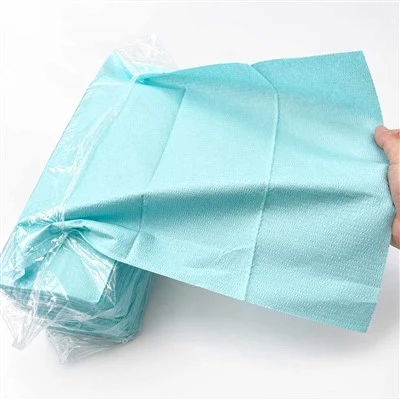
When you picture a surgeon, you probably imagine the scrubs, the mask, and that ubiquitous blue or green gown. It's an image burned into our collective consciousness by decades of medical dramas. But have you ever stopped to wonder what that "paper-like" fabric actually is?
It feels fragile, yet it has to stop a fountain of arterial blood. It covers the body, yet it can't make the surgeon pass out from heat stroke during a six-hour heart transplant. It's a walking contradiction.
A surgical gown isn't just a piece of clothing; it is a sophisticated piece of medical equipment, engineered with the same precision as the scalpel in the surgeon's hand. Let's strip back the layers - literally - and look at the material science protecting the people who protect us.
The Old Guard: Why We Ditched Cotton
Decades ago, surgical gowns were simple. They were made of tightly woven cotton muslin - reusable, washable, and about as thick as a bedsheet.
But cotton has a fatal flaw: it loves water. If a surgeon gets splashed with fluid during an operation, cotton acts like a wick, pulling that fluid - and the bacteria in it - right through to the skin. This is called "strike-through," and in infection control, it's a nightmare. Some high-tech, reusable polyester gowns are still chemically treated to repel water, but the modern operating room is now dominated by single-use, non-woven technologies.
The Workhorse: The "SMS" Sandwich
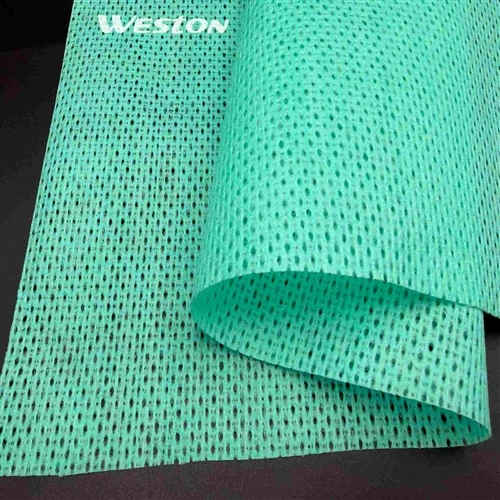
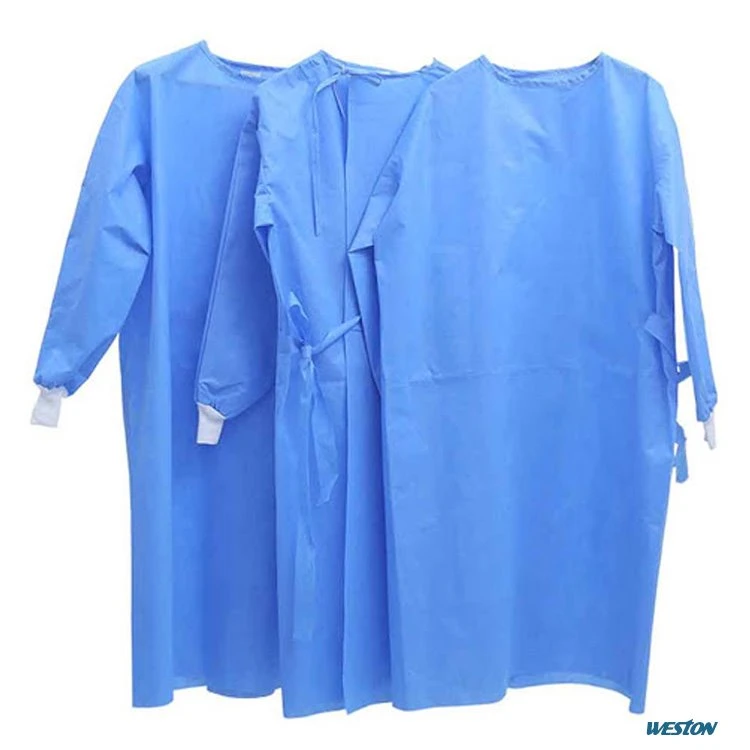
Walk into an average hospital today and the vast majority of gowns you'll see are made of a material called SMS. It has nothing to do with text messaging - SMS stands for Spunbond / Meltblown / Spunbond. It isn't one fabric; it's a technological sandwich fused together by heat and pressure.
The Bread - Spunbond Polypropylene: The top and bottom layers are made of long, continuous fibers, almost like a plate of spaghetti fused together. This layer provides the tensile strength so the surgeon doesn't rip the gown when moving.
The Filling - Meltblown Polypropylene: This is the magic layer. Molten plastic is blasted through tiny nozzles to create a dense, chaotic web of micro-fibers. The web is tight enough to stop water droplets and bacteria, but loose enough to let water vapor escape.
The result is a gown that breathes but still acts as a barrier - lightweight, cost-effective, and the standard for low-to-medium fluid surgeries.
The Comfort King: Spunlace (Wood Pulp Blends)
SMS is practical, but it can feel a bit plastic - it rustles when you walk and isn't especially soft against the skin. This is where "spunlace" comes in.
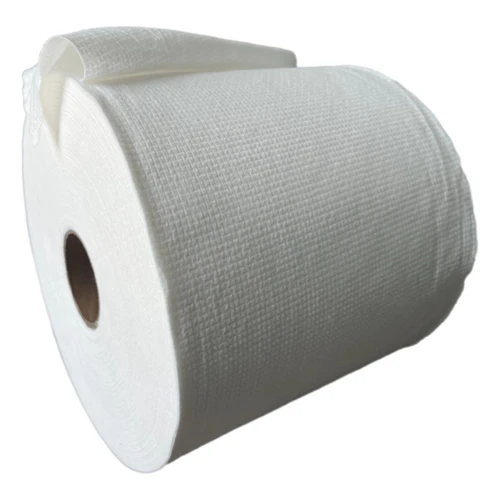
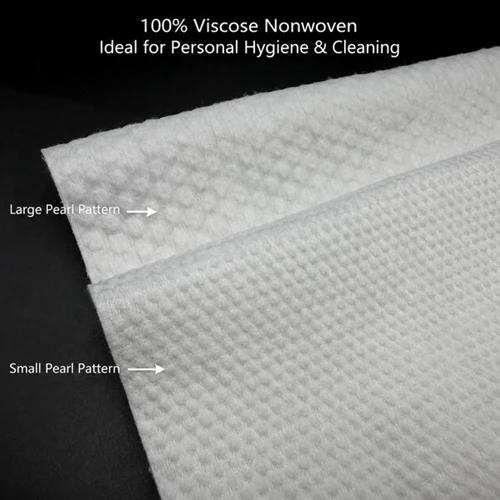
Spunlace fabric combines natural and synthetic fibers: usually a blend of wood pulp (for breathability and softness) and polyester (for strength). Instead of being woven or glued, the fibers are entangled using high-pressure water jets, giving the material a texture that feels remarkably like cloth - cool, soft, and quiet.
The catch is that traditional spunlace is naturally absorbent, like a high-quality wet wipe - the opposite of what you want in surgery. To solve this, manufacturers treat the fabric with repellent finishes (fluorocarbons or similar chemistries) so it resists blood and alcohol while keeping its soft feel. Getting that balance right is a genuine engineering challenge: too much repellent treatment and the fabric turns stiff and unbreathable; too little and it compromises safety. This is often reserved for longer procedures, where the "plastic bag effect" of stiffer gowns becomes unbearable.

The Heavy Armor: Reinforced Gowns and Microporous Films
Sometimes a breathable fabric isn't enough. For trauma surgery or C-sections, where fluid exposure is extreme, hospitals turn to "reinforced" gowns - non-woven fabric with a layer of polyethylene (PE) film laminated across the chest and sleeves, essentially a raincoat over the gown.
The upside: it's completely impervious. Nothing gets through.
The downside: it's also completely unbreathable, and surgeons can overheat quickly.
To solve this, material scientists developed microporous films - plastic films stretched with calcium carbonate particles to create microscopic pores. These pores are too small for a liquid water molecule to pass through but just large enough to let water vapor (sweat) escape. It's the same principle used in high-end hiking jackets, adapted for the operating table.
The Future: Smart Gowns
We're standing at the edge of a new era, where surgical materials may stop being passive barriers and start being active participants in surgery.
Researchers are exploring:
Self-healing polymers that can seal a microscopic tear instantly if the fabric is snagged on a tool.
Graphene-coated fabrics that don't just block bacteria but may actively disrupt bacterial cell walls on contact.
Phase change materials (PCMs) - microscopic wax beads embedded in the fiber that melt to absorb heat when a surgeon overheats, and solidify to release heat when they cool down, acting like a personal climate-control system with no batteries required.
The Final Stitch
It's easy to overlook the blue gown. It gets thrown away after every case, crumpled into a biohazard bin without a second thought. But that disposable item is a genuine feat of applied chemistry.
From the layered engineering of SMS to the hydro-entangled softness of spunlace, these materials are the product of decades of innovation in non-woven textiles. They have to manage fluids, filter microbes, regulate temperature, and endure physical stress - all while costing pennies per yard. The next time you see a doctor scrubbed in, remember: they aren't just wearing clothes. They're wearing a shield engineered to keep both the patient and the healer safe in the most critical moments of life.