Dust-Free Wipes: The Essential Cleaning Tool for Spotless Surfaces
Dust-free wipes help you keep important equipment very clean. You need these wipes when you work with electronics, labs, fiber optics, or even at home. Look at this table to see how they catch tiny particles better than regular wipes:
|
Wipe Type |
Microorganism Removal Rate |
Particle Retention Capability |
|
Microfiber Wipes |
Up to 99.4% |
High |
|
Regular Wipes |
About 30% |
Low |
Have you ever wondered if your cleaning wipes really remove dust or just push it around?
Key Takeaways
Dust-free wipes catch dust and small bits well. They work better than regular wipes, which often just move dirt around.
Pick wipes made from continuous filament fabric for the best clean. These wipes do not leave lint or fibers behind.
Dust-free wipes help keep things safe. They protect equipment from scratches and static electricity. This makes your workspace cleaner and safer.
Dust-free wipes features
Material types
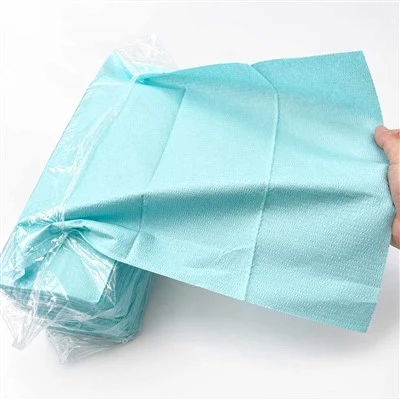
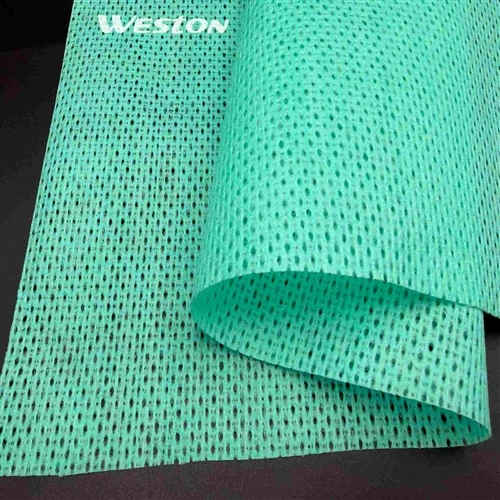
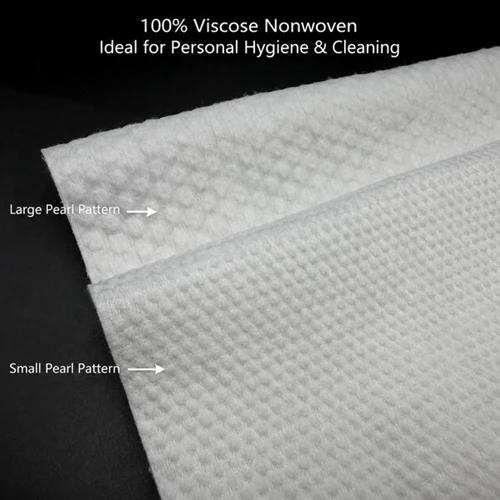
Dust-free wipes are special because of what they are made from. The materials include continuous filament fabric, nonwoven polyester/cellulose blends, and natural virgin wood pulp. These materials catch dust and tiny bits without leaving fibers behind. The wipes feel soft but do not tear easily, even on delicate surfaces.
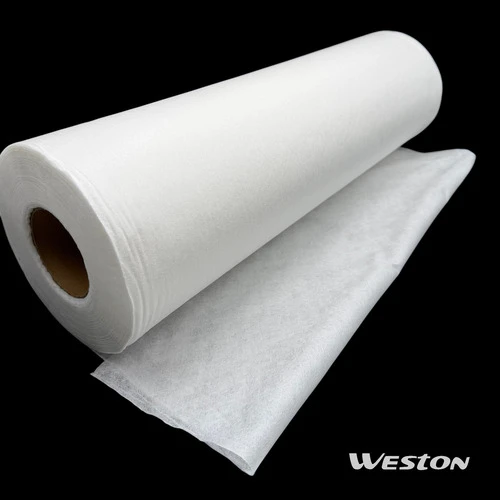
Weston wipes use smart blends that soak up liquids well and stop lint. You can use these wipes on sensitive equipment without scratching or leaving pieces behind.
Tip: Pick wipes made with continuous filament fabric for the best dust catching and strength.

Manufacturing process
How dust-free wipes are made is very important. These wipes meet very high cleanliness standards, like Class 10 and higher. This means fewer particles come off when you use them. Makers use special technology to stop fibers from falling off and causing problems.
The whole process keeps things clean from start to finish.
Special machines cut and pack the wipes to stop extra dust.
The chosen materials soak up liquids and grab dirt, while staying strong and letting out almost no particles.
These wipes work well in labs, electronics, and places where dust control matters a lot.
Performance
You can tell dust-free wipes work well as soon as you use them. They have anti-static features that help stop static electricity from hurting devices. The wipes also clean without leaving lint behind.
Weston wipes have built-in anti-static systems.
The way they come out of the box lowers lint and stops static, which helps in labs and electronics.
Disposable lint-free wipes make cleaning quick and safe.
Dust-free wipes always give good results. You can clean screens, lenses, and connectors without worrying about scratches or leftover fibers. Your workspace stays cleaner, and your equipment lasts longer.
Benefits of dust-free wipes
Cleanliness
You want your workspace to stay spotless, right? Dust-free wipes help you reach that goal. These wipes trap dust, dirt, and even the tiniest particles. You do not have to worry about lint or fibers left behind. When you use them, you see a clear difference on screens, lenses, and other delicate surfaces. Your equipment looks new and works better.
Note: Regular wipes often push dust around. Dust-free wipes actually pick it up and lock it in.
You can use these wipes in labs, on electronics, or at home. They keep everything cleaner for longer. You spend less time cleaning and more time doing what matters.
Safety
Safety matters when you work with sensitive equipment. Dust-free wipes protect your devices from scratches and static electricity. You do not want to risk damaging a screen or a circuit board. These wipes have soft surfaces that do not scratch. They also have anti-static features that help stop static shocks.
You lower the risk of accidents.
You keep your hands and your tools safe.
You avoid problems that come from leftover dust or static.
When you use the right wipes, you help your equipment last longer. You also keep your workspace safer for everyone.
Efficiency
You want to clean quickly and get great results. Dust-free wipes make your job easier and faster. In electronics manufacturing, these wipes have special antistatic treatments. They stop static from building up and pulling in more dust. Some wipes even have conductive fibers or coatings for extra protection.
These wipes prevent dust and tiny particles from sticking to surfaces.
You clean more in less time.
You reduce the risk of equipment damage from static electricity.
You do not have to go over the same spot again and again. One wipe does the trick. Your cleaning routine becomes smoother, and your equipment stays in top shape.
Applications

Electronics & fiber optics
If you work with electronics or fiber optics, you need things clean. Dust-free wipes help you clean screens and connectors. They do not leave lint or scratches. Weston wipes come in boxes that let you take one wipe at a time. This helps stop germs from spreading. Always use a new wipe for each connector. Using a dirty wipe can spread dirt and cause damage. Pick the smallest wipe you need to keep things clean and working well.
Tip: Pick wipes that are lint-free and anti-static. These wipes help protect surfaces from scratches and static shocks.
|
Feature |
Description |
|
Lint-free |
No lint left behind, keeps surfaces spotless. |
|
Scratch-proof |
Cleans without damaging delicate parts. |
|
Built-in poly-film dust layer |
Removes dirt and smudges from glass and screens. |
|
Convenient packaging |
Easy access, one-at-a-time dispensing. |
|
Available sizes |
Regular and XL for different cleaning jobs. |
Medical & labs
Labs and medical places must stay very clean. Dust-free wipes help remove germs and lower the chance of spreading them. Microfiber wipes grab tiny particles and germs that other wipes miss. They soak up a lot and do not leave lint. This makes them great for stopping infections. You get more cleaning area than with regular wipes, so you clean faster and better.
Takes away tiny bits and germs
Keeps surfaces very clean
Gentle on lab tools
Industrial use
Factories and workshops get dirty with dust and grease. Dust-free wipes help clean machines, tools, and work areas. The wipes are strong for hard jobs but still gentle on sensitive parts. You keep your machines working well and avoid problems.
Cleans off dust and oil
Protects machine parts
Helps stop work delays
Household cleaning
You want your house to look clean. Dust-free wipes clean glass, mirrors, and screens with no streaks or lint. Use them on counters, phones, and tablets. You get shiny surfaces and stop scratches.
Note: Dust-free wipes are good for daily cleaning and special jobs at home.
Choosing dust-free wipes
Key factors
When you pick dust-free wipes, you want to make sure they fit your needs. Here are some things you should look for:
Size: Wipes come in different sizes. Small wipes (like 4" x 4") work well for tiny parts. Medium wipes (9" x 9") fit your hand and help with most jobs. Large wipes (12" x 12") cover big surfaces fast.
Inherent contamination: Some wipes can add unwanted particles to your workspace. Always check if the material might introduce dust or other contaminants.
Water retention: If you need to soak up spills, look for wipes with good absorbency. Cotton wipes usually hold more liquid than polyester ones.
Tip: Always match the wipe size and material to your cleaning task for the best results.

Dust-free vs regular wipes
You might wonder if dust-free wipes really make a difference. Here's a quick comparison:
|
Feature |
Dust-free Wipes |
Regular Wipes |
|
Lint left behind |
Almost none |
Often visible |
|
Absorbency |
High |
Varies |
|
Particle control |
Excellent |
Poor |
|
Surface safety |
Gentle, non-scratch |
May scratch |
Dust-free wipes trap dust and keep it locked in. Regular wipes often just move dust around or leave lint behind. If you care about clean, safe surfaces, dust-free wipes are the way to go.
Selection tips
Industry experts suggest a few steps to help you choose the right dust-free wipes:
Cleanliness: Check if the wipe leaves behind particles or residues. Look for low particle counts and minimal organic or ionic contaminants.
Abrasion resistance: Pick wipes with sealed edges. These release fewer particles and last longer during tough cleaning.
Solvent compatibility: Make sure your wipes work well with the cleaning liquids you use. Good wipes soak up and hold solvents without breaking down.
Remember: The right wipe keeps your equipment safe and your workspace spotless. Choose wisely!
Usage & care
Best practices
You want to get the most out of your dust-free wipes, right? Using them the right way makes a big difference, especially in places where dust control matters. Here are some best practices you can follow:
|
Best Practice |
Description |
|
Train personnel |
Teach everyone how to wipe surfaces without spreading dust. |
|
Prevent contaminants |
Wear clean clothes and handle wipes carefully to keep dust away. |
|
Use designed tools |
Pick wipes and tools made for clean spaces. |
|
Validate protocols |
Check your cleaning steps often to make sure they work. |
|
Capture particles |
Use wipes that grab and hold dust, not just move it around. |
You should always use a fresh wipe for each job. Wipe in one direction to trap dust. Never reuse a dirty wipe, or you might spread particles instead of removing them.
Storage
Keep your dust-free wipes in a dry, clean spot. Store them in their original packaging until you need them. This keeps out dust and moisture. If you open a pack, close it tightly after each use. You can use a sealed container for extra protection. Avoid leaving wipes out in the open, or they might pick up dust from the air.
Tip: Store wipes away from direct sunlight and heat to keep them in top shape.
Disposal
After you use a wipe, throw it away in a covered trash bin. Do not flush wipes down the toilet. Used wipes can hold dust, chemicals, or germs, so handle them with care. If you work in a lab or factory, follow your workplace rules for disposing of cleaning materials. Keeping your area tidy helps everyone stay safe and healthy.
You want your workspace to be clean and safe. Dust-free wipes help you follow strict rules in electronics and medicine. They help you keep things safe and very clean:
|
Type |
Description |
|
Regulatory Standards |
FDA and EMA say work areas must be spotless for best results. |
|
Industry Demand |
Technology is growing fast, so you need better wipes for careful jobs. |
Pick the right wipes to protect your equipment. Are you ready to stop dust like an expert?
FAQ
What makes dust-free wipes different from regular wipes?
Dust-free wipes grab tiny particles and don't leave lint. You get a cleaner surface, especially on screens and electronics.
Can I use dust-free wipes on my phone or tablet?
Yes! You can safely clean your phone or tablet. These wipes won't scratch the screen or leave streaks.
How should I store dust-free wipes?
Keep your wipes in a sealed bag or box. Store them in a cool, dry place so they stay fresh and ready to use.