What Is Wavy Fabric Called?
Wavy fabric is a broad, visual description rather than a single technical term. In textiles, the correct name depends on how the waves are formed, not just how they look. Some waves come from weaving tension, others from finishing processes, and some from surface embossing. Each method creates a different structure, texture, and performance profile.
Understanding these differences matters because wavy surfaces are not decorative alone - they change how fabric behaves in real use, especially in cleaning, hygiene, and personal care applications.

Why Some Fabrics Look Wavy
Waviness is a structural outcome, not a design accident. There are three main causes:
Fiber or yarn shrinkage differences
When fibers shrink at different rates during washing, heating, or drying, the surface puckers naturally.
Mechanical embossing or pressure shaping
Rollers or molds press a pattern into the surface, creating controlled waves.
Weaving tension imbalance
In woven fabrics, uneven warp and weft tension creates permanent ripples.
These mechanisms are measurable and repeatable, which is why wavy textures can be engineered for specific performance goals, especially in nonwoven fabrics.
The Most Common Technical Names for Wavy Fabrics
There is no universal term for all wavy fabrics, but several categories are widely used:
Crinkle Fabric
Crinkle fabrics form waves through shrinkage or heat treatment. The texture is soft and irregular, often used where breathability and flexibility matter.
Crepe Fabric
Crepe uses highly twisted yarns that produce a fine, grainy ripple across the surface. The texture is tighter and more uniform than crinkle.
Embossed Fabric
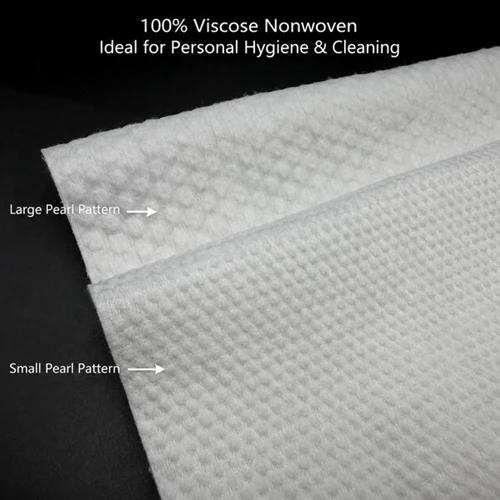
Embossed fabrics gain their waves from mechanical pressure. The pattern is intentional, repeatable, and consistent - commonly used in wipes, napkins, and hygiene products.
Seersucker
Seersucker fabrics are woven with alternating tight and loose threads, creating stripes of raised and flat areas. The waves are structural, not added later.
Each type looks "wavy," but their engineering, durability, and performance differ significantly.
Comparison Table: How Wavy Fabrics Differ
|
Fabric Type |
How Waves Are Created |
Surface Feel |
Typical Applications |
|
Crinkle |
Shrinkage or heat |
Soft, irregular |
Wipes, wraps, light garments |
|
Crepe |
Twisted yarns |
Fine, grainy |
Linings, apparel |
|
Embossed |
Mechanical pressing |
Raised, defined |
Cleaning wipes, napkins |
|
Seersucker |
Weaving tension variation |
Alternating smooth/rough |
Shirts, bedding |
This table shows that "wavy" describes appearance, but structure defines function.
How to Identify Wavy Fabric in Practice
A few simple tests help identify the type of wavy fabric:
Visual inspection:
Regular, repeating waves suggest embossing; random puckering suggests shrinkage.
Touch test:
Grainy textures point toward crepe; soft ripples suggest crinkle; firm raised patterns suggest embossing.
Stretch behavior:
If waves flatten under tension and return afterward, they are likely structural rather than decorative.
Wash durability:
Persistent waves after washing indicate woven or embossed structures rather than temporary finishes.
These practical checks help users understand what they are handling, especially in industrial or hygiene settings.

Why Wavy Texture Matters in Functional Fabrics
Waviness changes how fabric performs, especially in contact with liquids, surfaces, and skin.
Key Functional Effects:
Increased surface area → Improves absorption and dirt pickup
Reduced full-surface contact → Less friction on skin
Improved airflow → Faster drying
Better grip → Less slipping during use
These effects explain why wavy textures are widely used in cleaning wipes, baby wipes, and household cloths.
Wavy Fabric vs. Smooth Fabric: A Practical Comparison
|
Feature |
Wavy Fabric |
Smooth Fabric |
|
Liquid absorption |
Typically higher |
Typically lower |
|
Air circulation |
Better |
Limited |
|
Skin contact |
Reduced contact pressure |
Full surface contact |
|
Dirt trapping |
More effective |
Less effective |
|
Visual appearance |
Textured, casual |
Clean, formal |
This comparison highlights that wavy texture is not aesthetic alone - it is a functional design choice.
Advantages and Limitations of Wavy Fabrics
Advantages
Better cleaning efficiency
Raised textures trap dust, grease, and liquid more effectively.
Improved comfort
Reduced surface contact lowers friction on sensitive skin.
Enhanced breathability
Air pockets between waves allow faster moisture evaporation.
Structural integrity
Embossed and crinkled surfaces often improve tear resistance.
Controlled performance
Embossing allows consistent texture across large production runs.
Limitations
Higher manufacturing complexity
Embossing and shrinkage control require precise processing.
Potential lint release
Some wavy structures may shed more fibers if not properly bonded.
Pattern wear over time
Repeated friction can flatten embossed waves in long-term use.
Not suitable for all applications
Some medical or filtration uses require perfectly smooth surfaces.
A balanced evaluation shows that wavy fabric is a functional solution, not a universal one.
Wavy Fabric in Nonwoven Applications
In nonwoven manufacturing, waviness is often engineered through embossing and fiber bonding, rather than weaving. This allows for:
Controlled thickness variation
Targeted absorbency zones
Improved surface friction
Enhanced softness without compromising strength
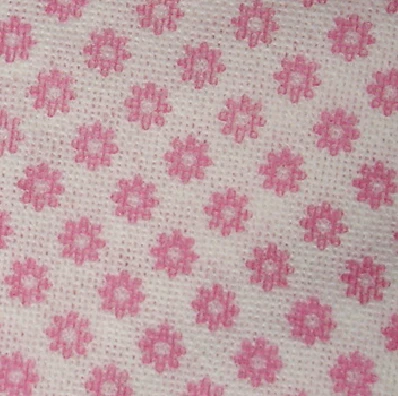
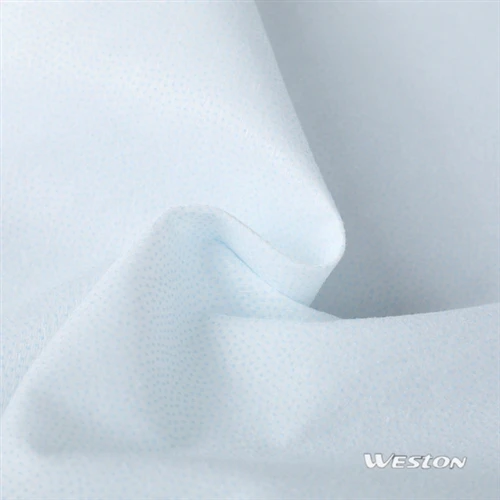
A practical example is the Wavy Fabric Pattern (Viscose Polyester) used in spunlace nonwoven materials. This structure combines the softness of viscose with the durability of polyester while introducing a textured surface that improves wiping performance and liquid handling.
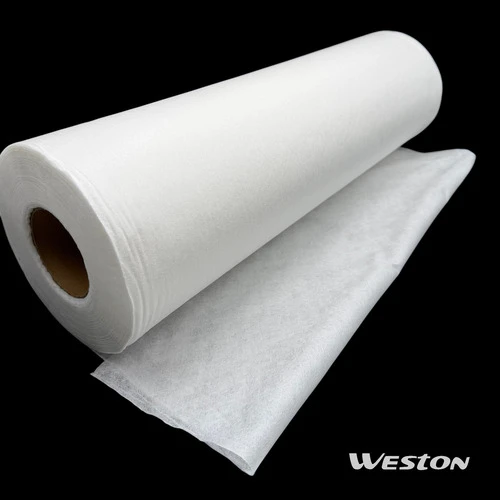
Within industrial production, Weston Nonwoven applies such surface engineering to achieve consistent texture, balanced strength, and reliable absorbency - particularly important for hygiene, household, and personal care products.
How Fiber Composition Influences Waviness
The fibers used affect how waves form and behave:
Viscose fibers
Soft, absorbent, skin-friendly, prone to shrinkage-based texture.
Polyester fibers
Strong, durable, shape-stable, supports embossed structure retention.
When combined, viscose and polyester create a fabric that balances softness, strength, and structural memory, making them suitable for engineered wavy surfaces.
Practical Uses of Wavy Fabric
Wavy textures are not limited to clothing. They play an important role in:
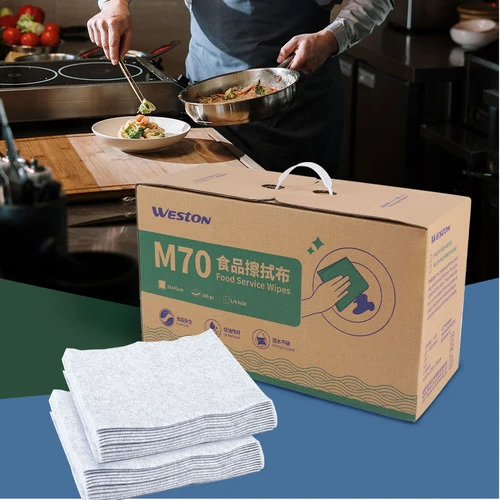
Household cleaning wipes → Improved dirt and liquid pickup
Baby and personal care wipes → Reduced friction on skin
Industrial wiping cloths → Enhanced grip and durability
Disposable hygiene products → Better absorption and comfort
In each case, the texture directly supports the intended function rather than serving as decoration.
Clear Answer to the Main Question
Wavy fabric does not have a single name. It may be called crinkle fabric, crepe fabric, embossed fabric, or seersucker, depending on how the waves are created. The correct term is defined by structure and process, not appearance alone.
In functional nonwoven materials, waviness is often engineered through embossing and fiber bonding, as seen in structured surfaces such as Wavy Fabric Pattern (Viscose Polyester) used in spunlace production.
Understanding the origin of the waves allows manufacturers, designers, and users to select fabrics based on performance, comfort, and durability, rather than visual texture alone.