What Is the Most Hygienic Kitchen Cloth?

Every kitchen has its heroes - sharp knives, sturdy pans, and that trusted cloth hanging near the sink. It wipes spills, cleans countertops, and sometimes dries dishes. But behind this everyday helper hides one of the biggest hygiene blind spots in the home: the kitchen cloth.
Many people rinse, wring, and reuse the same cloth for days, believing it's harmless. In reality, research from multiple household studies shows that kitchen cloths can harbor millions of bacteria - often including E. coli and Salmonella. So what actually makes a kitchen cloth hygienic, and what materials are safest to use every day?
Understanding What "Hygienic" Really Means
A hygienic kitchen cloth doesn't just "look clean." It must minimize bacterial growth, avoid cross-contamination, and stay fresh between uses.
Let's break down the core factors that determine hygiene quality:
|
Factor |
Why It Matters |
Ideal Characteristic |
|
Material Type |
Absorbs liquids and holds residue |
Nonwoven or microfiber, not sponges |
|
Drying Speed |
Bacteria thrive in moisture |
Fast-drying or single-use |
|
Cleaning Frequency |
Frequent washing reduces bacterial load |
Replace daily or use disposable |
|
Surface Compatibility |
Some cloths scratch or contaminate |
Food-safe and lint-free |
The goal isn't just to remove visible dirt, but to prevent invisible contamination that can linger even after washing.
Why Traditional Cloths Often Fail the Hygiene Test
Common kitchen cloths - cotton rags, dish towels, or sponges - are popular for their absorbency and familiarity. But these same traits can work against hygiene.
Cotton stays wet for hours, creating a moist environment perfect for bacteria to multiply.
Sponges trap food particles deep inside their pores, making them nearly impossible to clean thoroughly.
Synthetic cloths like polyester dry faster but may release microfibers into water systems and degrade over time.
Even frequent washing doesn't guarantee safety. Studies show bacteria can survive normal laundry cycles, especially when the cloth is washed in cool water or air-dried indoors.
In other words, that "freshly washed" cloth may already be contaminated before you wipe the next surface.
Rethinking Hygiene: The Rise of Food Safe Cleaning Wipes
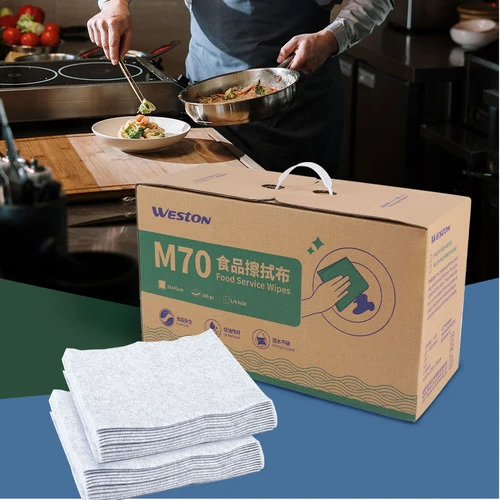
Modern hygiene demands a modern solution. In professional food preparation environments, single-use food-safe cleaning wipes are increasingly replacing reusable cloths.
Here's why:
Each sheet is used once, eliminating bacterial carryover.
The material is lint-free and nonwoven, leaving no fibers or residue on food surfaces.
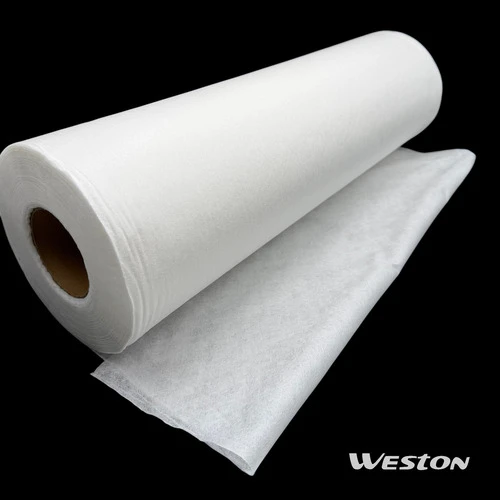
It comes pre-cut or perforated on rolls, allowing clean tearing and minimal contact.
Production follows strict hygiene control from fiber selection to packaging.
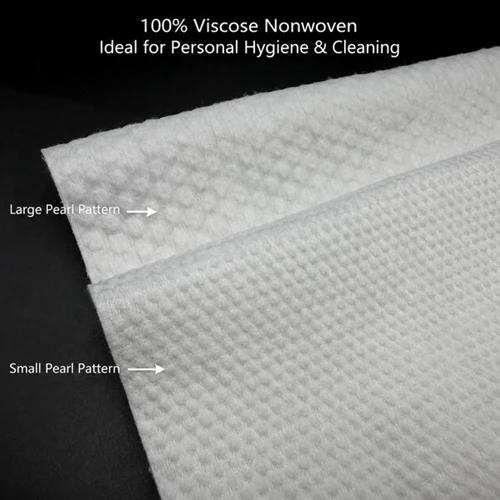
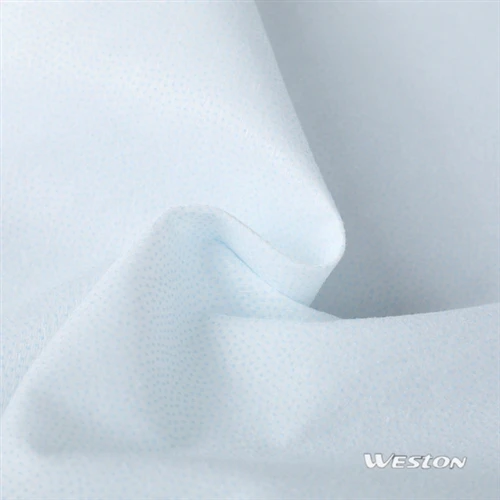
Some advanced versions - like those made from hydroentangled spunlace nonwoven fabric - combine strength and softness without chemical binders. These fabrics resist tearing when wet and maintain a clean, smooth surface ideal for both domestic and commercial use.
A practical example comes from Weston Nonwoven Manufacturing, a facility known for tightly controlled production of Food Safe Cleaning Wipes. Every batch is monitored for cleanliness and fiber integrity, with the finished rolls packaged in sealed conditions to prevent external contamination.
The result: a cloth alternative that feels soft like fabric but performs with sterile precision.

Comparing Key Kitchen Cloth Options
|
Type |
Pros |
Cons |
Best Use Case |
|
Cotton Towel |
Absorbent, reusable, inexpensive |
Holds moisture and bacteria |
Drying hands or dishes |
|
Microfiber Cloth |
Traps fine particles, dries fast |
Requires frequent washing |
Cleaning glass or appliances |
|
Sponge |
Highly absorbent |
Hard to clean, harbors bacteria |
Short-term spot cleaning |
|
Nonwoven Food Safe Wipe |
Single-use, hygienic, lint-free |
Disposable (creates waste) |
Surface cleaning near food |
While no single option fits everyone, the data points to one truth: reusability doesn't always mean hygiene. In areas that handle raw food, a single-use wipe made from safe, traceable material is often the cleanest choice.
A Closer Look at What Makes Nonwoven Wipes Safer
Unlike woven fabrics, nonwoven materials are created by bonding fibers together through hydroentanglement - a high-pressure water process that uses no glue or additives.
This means:
No risk of chemical residue on food-contact surfaces
No loose fibers that can stick to countertops or utensils
Consistent texture and strength for both wet and dry cleaning
In industries like catering or food packaging, these characteristics make nonwoven wipes not just convenient but essential for regulatory hygiene compliance.
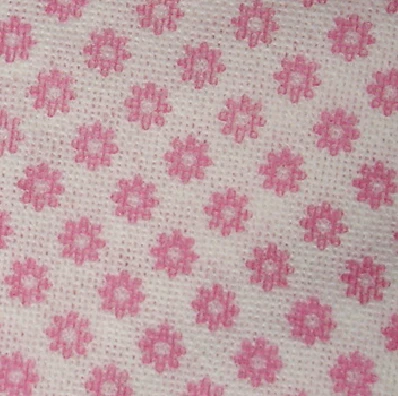
And because manufacturers such as Weston Nonwoven offer OEM and ODM customization, brands can tailor fabric weight, embossing, and packaging format - from rolls to folded stacks - to match different operational needs without compromising cleanliness.
Sustainability and Hygiene Can Coexist
Some might worry that single-use wipes add to waste, but innovation is shifting this narrative.
Many modern wipes now use biodegradable viscose or wood pulp-based fibers, which decompose naturally without releasing microplastics.
Factories like Weston have started integrating environmentally responsible production lines, balancing hygiene performance with eco-friendly material choices.
So, while hygiene comes first, sustainability no longer needs to take a back seat.
Everyday Hygiene Habits That Make a Difference
Even the best material can't replace good cleaning habits.
Here are some simple, science-backed steps to keep your kitchen safe:
Replace or wash kitchen cloths daily - or switch to disposable wipes.
Use separate cloths or wipes for raw meat, cooked food, and general surfaces.
Keep cloths dry between uses; avoid leaving them crumpled or damp.
Disinfect high-contact areas like cutting boards and sink edges regularly.
The most hygienic kitchen cloth isn't necessarily the thickest, softest, or most expensive - it's the one that starts fresh every time. Whether that means a daily-washed towel or a single-use nonwoven wipe, the key is preventing bacteria before it starts to grow.
With advanced manufacturing like Weston Nonwoven's spunlace technology, today's Food Safe Cleaning Wipes bring together cleanliness, safety, and practicality - a quiet but vital upgrade to the modern kitchen.