What Is Sterile Eye Wash Used For?
Understanding Sterile Eye Wash in Plain Terms
Sterile eye wash is a specially prepared liquid designed to safely rinse the eye. The word sterile matters-it means the solution is free from bacteria, fungi, and other microorganisms that could irritate or infect sensitive eye tissue. Unlike tap water or bottled drinking water, sterile eye wash is produced and packaged under controlled conditions to meet ophthalmic safety standards.
Its role is simple and specific: to flush, dilute, and remove unwanted substances from the eye. It is not a drug, does not contain active healing agents, and does not replace medical treatment. Think of it as a first-response tool-calm, controlled, and practical.

Why the Eye Requires a Dedicated Rinsing Solution
The surface of the eye is thin, moist, and constantly exposed to the environment. Dust, chemicals, smoke, pollen, and airborne particles can easily reach it. At the same time, the eye has limited tolerance for foreign materials.
Using unsuitable liquids may create new problems:
Tap water can contain minerals or microbes
Non-sterile solutions may introduce contamination
Incorrect pH levels can increase irritation
Sterile eye wash is formulated to minimize these risks, making it suitable for direct contact with the eye when immediate rinsing is needed.
Common Situations Where Sterile Eye Wash Is Used
Removal of Foreign Particles
One of the most frequent uses is flushing out physical debris such as dust, sand, metal fragments, or wood particles. These incidents are common in:
Manufacturing and machining environments
Construction sites
Laboratories
Outdoor work settings
Prompt rinsing helps reduce scratching and ongoing irritation.
Chemical Exposure Response
When mild chemical splashes occur-such as household cleaners, detergents, or diluted industrial chemicals-sterile eye wash helps dilute and remove residues quickly. While it does not neutralize chemicals, early flushing reduces exposure time, which is often the most important factor.
Relief from Environmental Irritation
Dry air, smoke, strong wind, or prolonged screen use can cause discomfort. In these cases, sterile eye wash provides temporary relief by rehydrating the eye surface and washing away irritants.
First Aid Preparedness
Sterile eye wash is widely used in first aid kits and emergency eye wash stations. Its role is immediate support before professional care, especially when medical help is not instantly available.
Benefits of Using Sterile Eye Wash
Sterile eye wash offers several practical advantages:
Controlled cleanliness: Reduced risk of introducing microorganisms
Consistent formulation: Stable pH and gentle composition
Ease of use: Ready-to-use in emergencies
Versatility: Suitable for workplaces, healthcare settings, and home use
These benefits make it a standard safety item rather than a specialized medical product.

Limitations and What Sterile Eye Wash Cannot Do
Despite its usefulness, sterile eye wash has clear limits:
It does not treat infections
It does not relieve severe pain or trauma
It does not replace prescription eye drops
It is not suitable for deep or penetrating eye injuries
In cases of persistent redness, pain, blurred vision, or chemical burns, medical evaluation is essential. Sterile eye wash is a starting point-not the endpoint.
Comparing Eye Rinsing Options
The differences between common eye-rinsing choices are often misunderstood. The table below clarifies their roles:
|
Rinsing Option |
Sterility |
Safety for Eyes |
Typical Use Case |
|
Tap Water |
No |
Limited |
Emergency fallback only |
|
Drinking Water |
No |
Limited |
Short-term flushing if nothing else |
|
Sterile Saline |
Yes |
High |
Medical and clinical use |
|
Sterile Eye Wash |
Yes |
High |
First aid, workplace, daily safety |
|
Contact Lens Solution |
Yes |
Moderate |
Lens care, not general flushing |
This comparison shows why sterile eye wash is widely preferred in safety-focused environments.
Forms of Sterile Eye Wash Products
Sterile eye wash is available in several formats:
Bottles with controlled flow
Single-use ampoules
Eye wash stations
Pre-moistened Sterile Eye Wash Pads
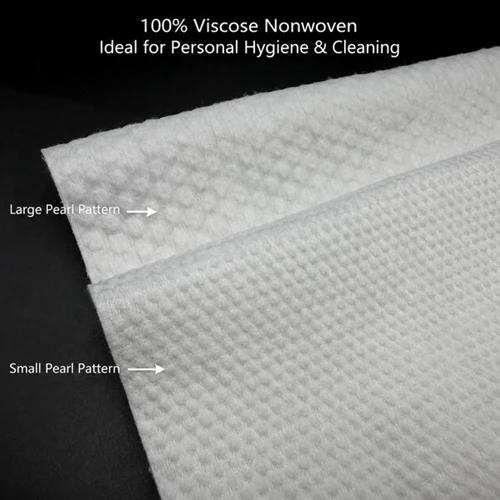
Pads are especially useful for wiping around the eye area or gently removing surface contaminants without direct pouring. High-quality Sterile Eye Wash Pads rely on soft, lint-free materials that maintain sterility while minimizing friction.
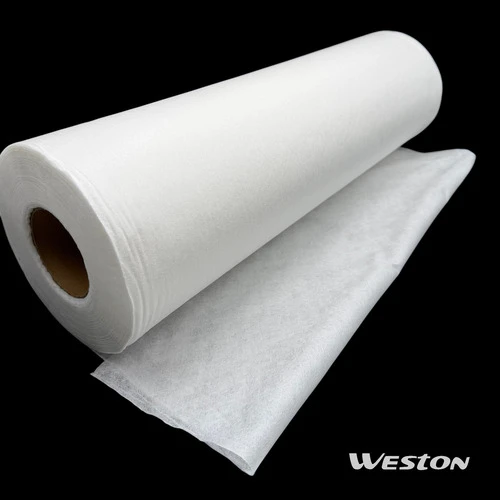
This is where material choice matters. Nonwoven structures produced through hydroentanglement offer strength without harshness, making them suitable for eye-area contact when properly manufactured.
Material Quality and Safety Considerations
When eye wash pads are involved, the fabric itself becomes part of the safety system. Important factors include:
Fiber purity
Low lint release
Even surface texture
Sterilization compatibility
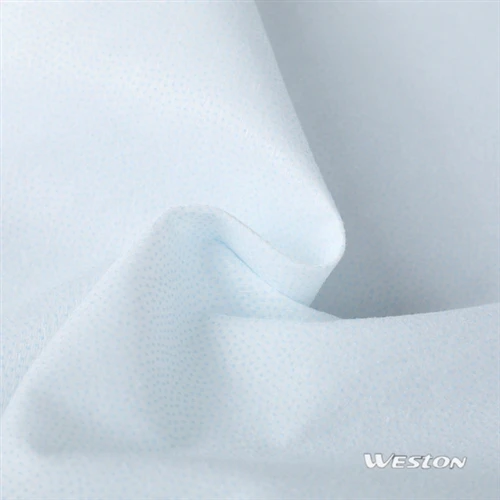
Manufacturers such as Weston Nonwoven, specializing in spunlace nonwoven technology, focus on producing consistent, clean substrates suitable for medical and hygiene applications. Their Sterile Eye Wash Pads are designed with softness and structural integrity in mind, supporting safe handling in sensitive-use scenarios.
Where Sterile Eye Wash Fits in Everyday Safety
Sterile eye wash is not about dramatic rescue moments. It is about readiness. Having the correct rinsing solution available reduces uncertainty during minor incidents and supports better decisions under pressure.
In workplaces, clinics, and homes, its presence reflects a simple principle: small preventive tools can reduce larger problems.
Accessing Samples and Further Information
For those sourcing or evaluating Sterile Eye Wash Pads made with spunlace nonwoven materials, Weston Nonwoven offers product support and sampling.